

The Abridged version:
- Supervisors in Yolo County are considering implementing a local ban on kratom, an opioid-like substance that has been sold widely in tobacco shops.
- Officials cited health risks associated with the product, including seven deaths countywide since 2017.
- Kratom is illegal statewide, but a local ban would allow county law enforcement and staff to take action against retailers instead of waiting for the state.
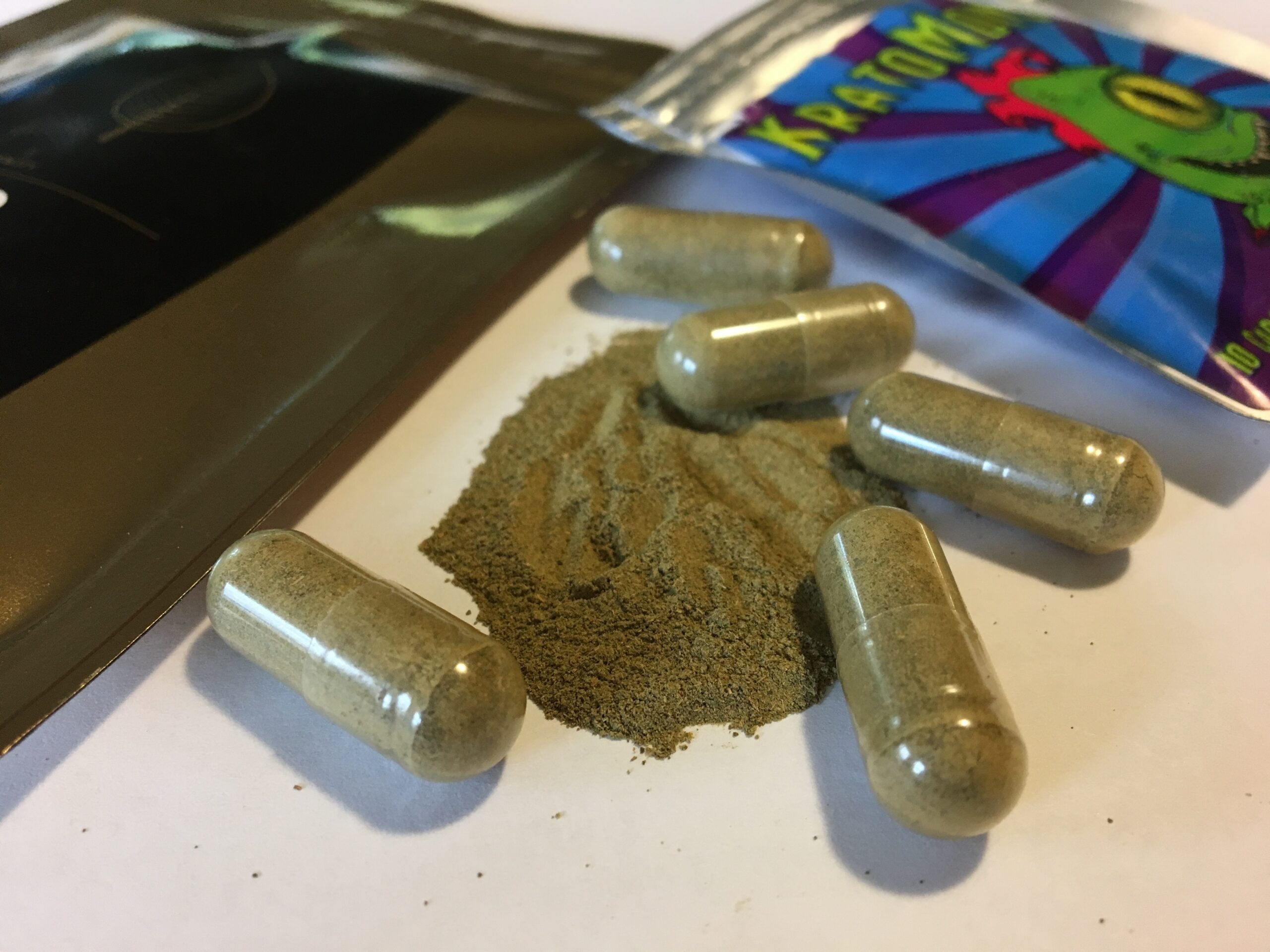
Kratom, a substance derived from the leaves of a tropical tree that produces opioid-like effects, exists in a regulatory gray zone in Yolo County.
It’s not a tobacco product and it doesn’t meet the definition of drug paraphernalia, though officials say its use can be dangerous.
“Kratom contains opioids. Kratom is dangerous. Kratom is illegal,” said Yolo County public health officer Aimee Sisson during a presentation to the board of supervisors on Tuesday.
Kratom is often marketed as a mood-booster, energy supplement and aid for opioid withdrawal, with products that come in the form of drinks, powders or other consumables. At low doses, it acts as a stimulant, while high doses turn it into a sedative.
Sign Up for the Yolo County Newsletter
Stay in-the-know on all things Yolo! Weekly email with stories and insights from Yolo County reporter Daniel Hennessy.
According to a report from the Mayo Clinic, kratom use can be harmful, and its effects have not been widely studied.
“People who take kratom believe that it helps them. But kratom hasn’t been shown to be safe or to treat any medical conditions,” the report said.
Confusion around the substance’s legality has caused its presence to proliferate in recent years, with kratom-infused products populating the shelves of local tobacco shops and available for purchase online.
The result has had “real public health implications” in Yolo County, including opioid-like addiction, overdose and seven deaths since 2017, according to county officials.
That’s part of the reason why the board of supervisors began considering further local restrictions on kratom at their meeting Tuesday morning. As it stands, the state is responsible for enforcement, but an additional local ban would allow Yolo County law enforcement and staff to take action against retailers without the help of the California Department of Public Health.
Kratom is already illegal
Manufacturing, distributing or selling kratom is illegal in California, and the state public health department has been cracking down on consumer-facing products sold in retail stores since October.
Before that, clear guidance and enforcement was sparse, so a variety of drinks, powders and other consumables were marketed as energy boosters or pain relief. In Yolo County, 26% of tobacco retailers sold the product, Sisson said.
But in conjunction with the statewide crackdown, county officials sent an official notice in December to the retailers informing them of Kratom’s illegality. As a result, Sisson said, only 5% of retailers continue to sell the substance.
“We consider this a major success,” she said.
Kratom does remain easily available on the internet, however, and customers only have to certify they are 21 years of age before purchasing.
If the board chooses to implement its own ban, that could mean that online sellers would stop selling to Yolo County addresses, Sisson said.
But it could also “muddy the waters” and leave room for misunderstanding by imposing local regulations on a product that is already banned statewide. Officials expressed concern that inconsistencies between local and state rules could confuse retailers about which ones to follow.
The decision wasn’t clear at the end of the board’s discussion on Tuesday, and it is likely to return after staff puts together more in-depth analysis of the options.
“What an amazing quagmire,” Supervisor Oscar Villegas said.
Daniel Hennessy joins Abridged from the California Local News Fellowship. He’s a reporter covering Yolo County.