
The Abridged version:
- You’re likely to find live music playing in several Old Roseville bars, all within walking distance, on a given Friday night.
- The suburban music scene developed over the past couple of decades, with many bands playing Old Roseville venues throughout the years.
- Venues and bands have grown familiar, drawing some regulars to the live music haunts nearly every week.
If you’re looking for live music in the Sacramento region, Roseville may not come to mind first.
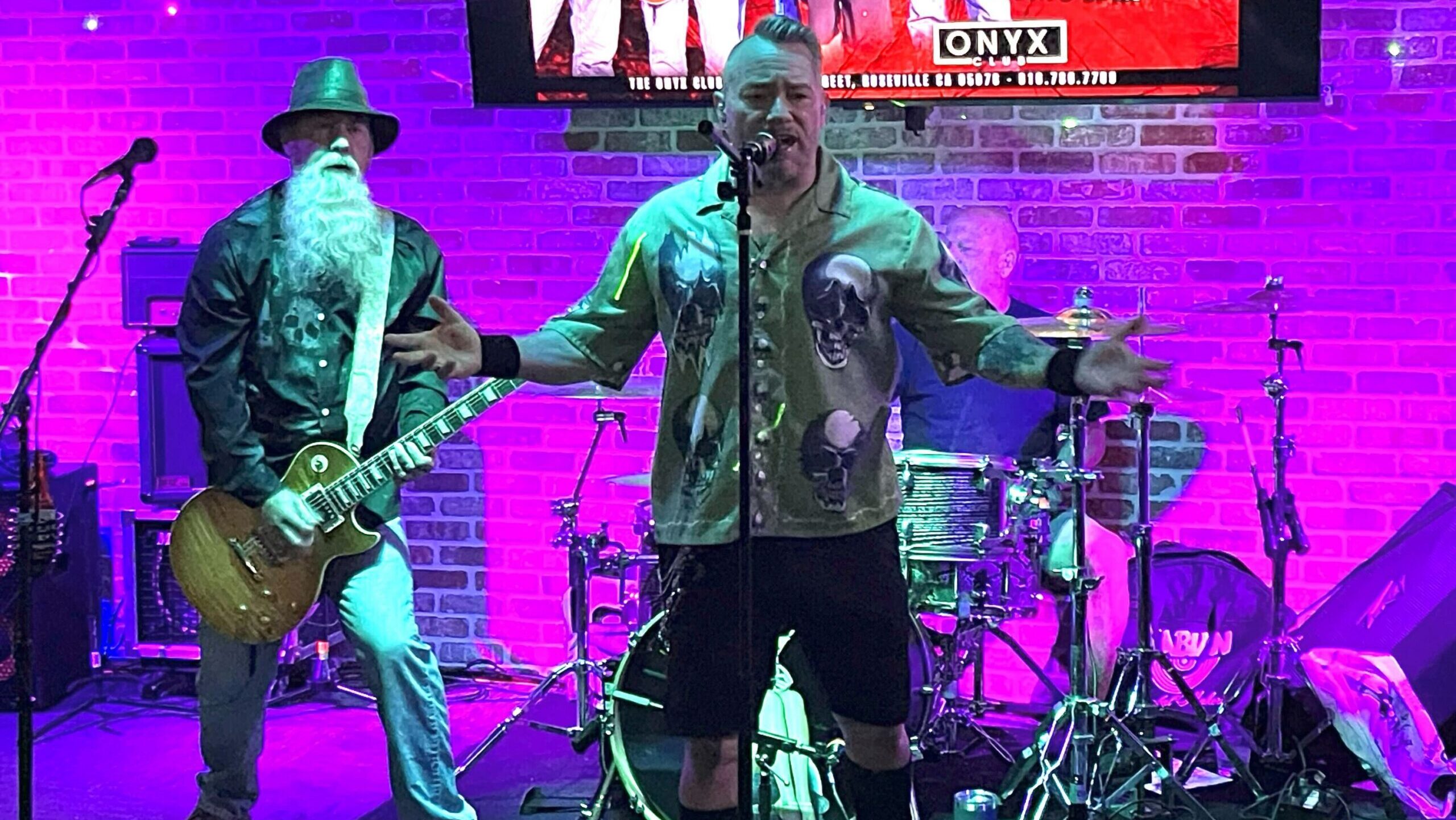
For the ’burb-curious, try spending a Friday night in Old Roseville. You may be surprised how many clubs featuring live bands are steps away from each other. The Trocadero Club, The Onyx Club, The Opera House, Bar 101, are all clustered around Main Street. Around the corner from antique stores, restaurants and coffee shops, Fender amps are crackling, dance floors are filling and familiar faces are making the rounds from one venue to the next — no Uber necessary.
The music extends beyond Old Roseville, in a suburban music scene with its own rhythm, built by a network of venues that has grown steadily over nearly two decades.
A network of clubs
According to veterans of the scene, the local landscape began developing around 2010. Bianca Karres, who books bands at The Onyx Club, has watched much of it firsthand.
Karres began booking live music at the Owl Club in 2007 before moving to the Trocadero, where she spent the next 16 years building one of Old Roseville’s busiest calendars. Last summer she moved to The Onyx Club, bringing many of her longtime musicians with her.
Sign Up for the Morning Newsletter
The Abridged morning newsletter lands in your inbox every weekday morning with the latest news from the Sacramento region.
When Karres started, she knew nothing about booking music. “I started with just a few bands,” she said. Today she works with about 100.
Rather than competing with late-night clubs, she focused on Friday performances from 6 to 9 p.m.
The schedule appealed to audiences who wanted live music without a midnight commitment. Other venues adopted similar schedules, making Friday the heartbeat of Old Roseville’s music scene.
“People think live music and immediately think, ‘Let’s go to the Onyx,'” Karres said. “We’ve gained popularity by leaps and bounds.”
She didn’t build the scene alone. One of her first calls was to Steve Stizzo.
Building a music scene
If Karres is one of the architects of Roseville’s live music scene, Stizzo is one of its connectors.
The son of a longtime Roseville music-store owner, Stizzo has spent decades performing throughout Northern California. By the time Karres began booking bands, he already knew many of the area’s working musicians.
When she needed another act, Stizzo made the introduction. “I was just getting people in contact with each other,” he said. “I’m kind of like the middleman.”
Bands that first appeared at the Owl or Trocadero developed followings and began playing throughout the region. Some musicians formed entirely new groups after filling last-minute cancellations.
“There weren’t enough bands,” Karres recalled. “People would call friends and say, ‘Let’s put a band together.'”
Stizzo has watched the network expand, with live music now spread across venues that barely existed when he began performing.
“It’s grown,” he said. “There are a lot more places opening now.”
Knowing your audience
For singer Bill Morton of the band Halfway Inn, success depends less on finding a stage than understanding the audience waiting in front of it.
Morton has played the Onyx for several years after first performing at the Trocadero. Everything in Roseville is close together, he said. That creates opportunities — and challenges.
Play too often and audiences begin choosing between the same bands at neighboring clubs. Play too many unfamiliar songs and the dance floor empties.
“We call those get-a-drink songs,” Morton said with a laugh.
His band deliberately mixes recognizable classics with deeper cuts, keeping audiences engaged without sounding like every other cover band in town.
Morton remembers winning over a skeptical crowd with “Shoot Shoot,” an obscure UFO song nobody recognized — until they did, and started singing along. “The hook brought them in,” he said.
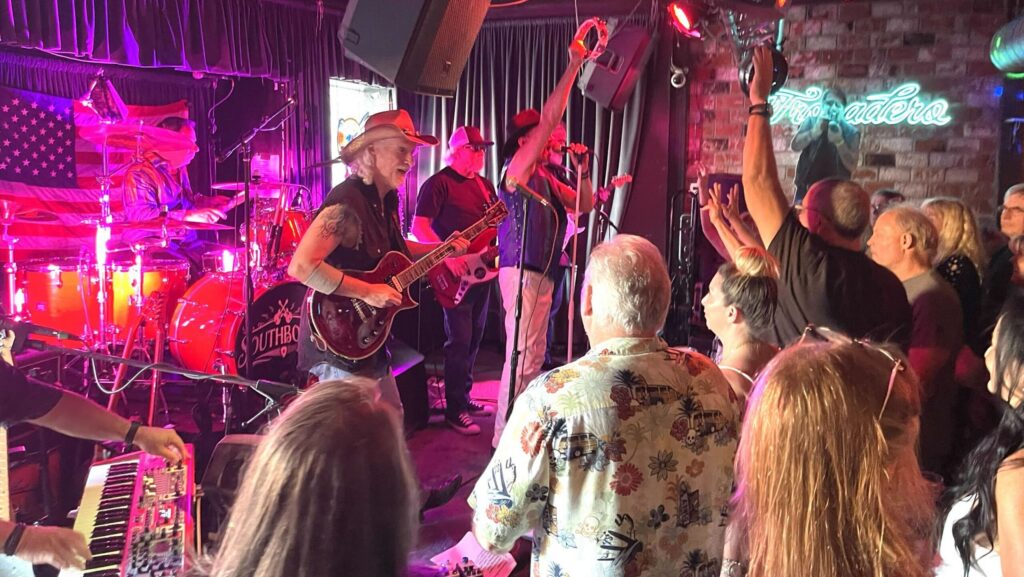
That balancing act has become part of the unwritten craft of playing Roseville’s club circuit. On a recent Friday night, the Southern rock band Southbound packed the Trocadero Club, with dancers channeling their inner “Free Bird.” For Southbound drummer Tony Vivalacqua, the appeal of Roseville starts with something simple.
“You can come to the Trocadero or the Onyx from 6 to 9, see a great show early and still be home by 9:30 or 10,” he said. “That’s perfect for people who come out to hear classic rock and Southern rock because most of us are in our 40s, 50s, 60s, 70s, 80s and 90s.”
To keep the evening going, revelers can walk across the street to the Opera House for a later show. Or they can go a few blocks down the road to Goldfield Trading Post.
Rather than competing for a single audience, the clubs often complement one another.
“It’s all part of the same community,” said Steve Walsh, who, along with his wife Sandy, has spent nearly every Friday night for more than a decade listening to live music in Old Roseville.
The Walshes first became regulars during Trocadero’s Friday night music program. When Bianca Karres moved to The Onyx, they followed.
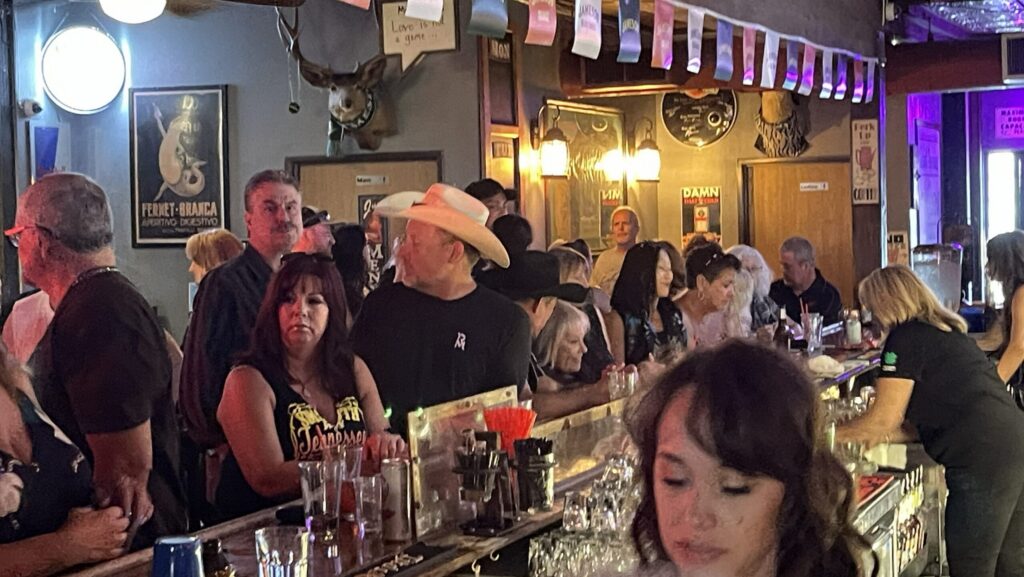
Today they rarely miss a Friday. Friends no longer ask where they’ll be. “They already know,” Steve said. “It’s like Cheers. You spend the first 15 minutes saying hello to everybody.”
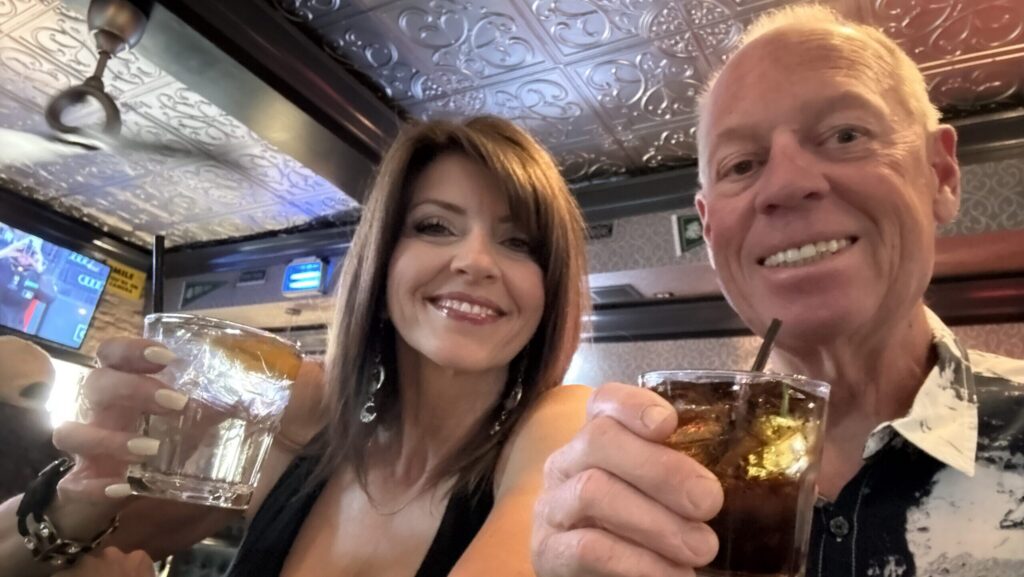
Over the years they’ve seen musicians become friends, bartenders learn regulars’ favorite drinks and strangers strike up conversations over the music.
People return, Friday after Friday, to see familiar faces and meet friends.
That sense of community helps explain why musicians continue coming back. Scott Hamilton, lead singer of Character Assassins, performs throughout the Sacramento area but estimates that Roseville accounts for half of his band’s shows each year.
Downtown, he said, tends to draw younger audiences interested in hip-hop, punk and metal, while Roseville has developed a strong following for classic rock, dance music and cover bands that appeal to several generations at once.
Hamilton believes local venues have become stepping stones for working bands, and Goldfield Trading Post regularly pairs touring acts with local opening bands.
A time ‘before DJs’
Bassist Chris Fraire has played Roseville for nearly 30 years and remembers a time when live music reached far beyond today’s venues.
“There was a lot more live music,” he said, recalling clubs such as Mango’s, Cabo Wabo and other venues that have since disappeared.
Fraire blames DJs and changing tastes for the decline in clubs that hire bands. “Before DJs,” he said, “every bar had a band.” Yet he acknowledges music has found new homes.
Summer concerts fill Royer Park, and Downtown Tuesday Nights, House of Oliver and the Fountains at Roseville give musicians steady work throughout the year. On Monday nights, the Almond Tree Lounge hosts live bands that regularly pack the house.
For some musicians, today’s Roseville offers more variety, even if fewer clubs rely exclusively on live bands.
For audiences, it offers something increasingly uncommon: the chance to hear local music several nights a week without leaving the suburbs.
What began years ago as a handful of clubs booking local bands has matured into a network held together as much by relationships as by music.
For Steve and Sandy Walsh, that network has become part of the rhythm of life. They know which table they’ll occupy. They know they’ll run into friends before they reach the bar.
And next Friday – unless they’re out of town – they’ll be back.
Daryl V. Rowland is a freelance writer in Sacramento.