

The Abridged version:
- Mikuni, a popular Sacramento-area sushi chain, recently settled former employees’ class action lawsuit with a $2.25 million agreement.
- A former front-of-house employee had accused Mikuni of wage violations including off-the-clock work and not providing full meal breaks.
- The settlement means payouts for more than 3,000 current and former Mikuni employees across 10 locations.
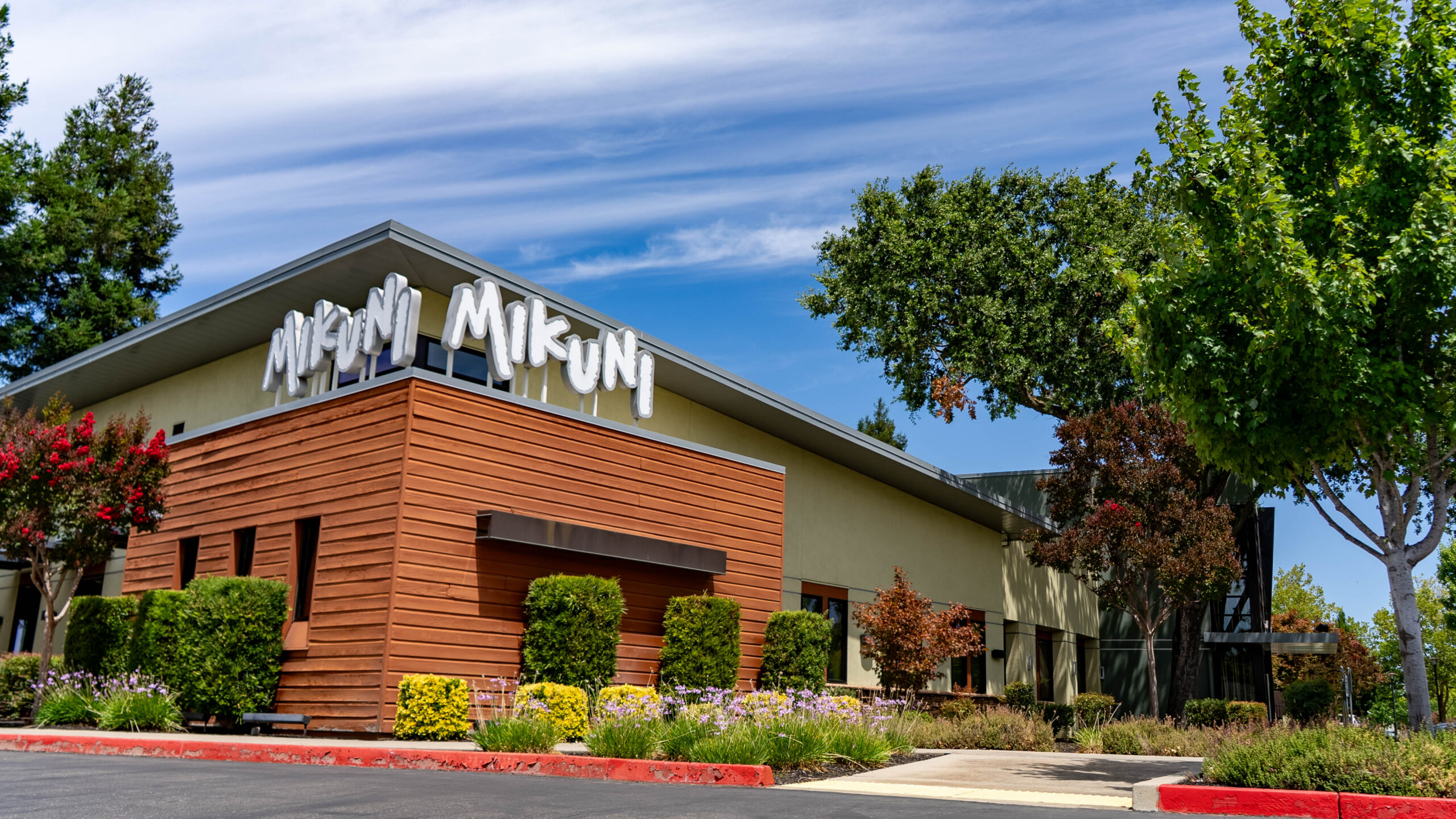
Mikuni, the Sacramento region’s most popular local sushi chain, recently agreed to pay $2.25 million to settle former employees’ class action lawsuit against the company.
The lawsuit accused Mikuni Restaurant Group of several wage violations, including making employees do work tasks without pay, not providing proper rest breaks and not reimbursing business-related expenses. While it played out in Contra Costa County Superior Court, it included past and present Mikuni employees across the Sacramento region and pertains to the Sacramento County-based company’s overall financial health.
In a written statement to Abridged by PBS KVIE, Mikuni denied the allegations but said settling the lawsuit was the best way to move on.
“We have always worked hard to comply with California’s labor laws and do not agree with the allegations in the lawsuit, however, we decided that resolving the matter was the best path forward,” Mikuni’s statement read. “Settling the case allows us to focus our time and energy on what matters most — our team members, our guests, and continuing to provide the exceptional dining experience our communities expect from us.”
Sign Up for the City of Treats Newsletter
Get the latest Sacramento food news from Benjy Egel in City of Treats — delivered every Tuesday.
Beverly Hills-based Blackstone Law, APC initially filed the lawsuit in October 2023 on behalf of former Mikuni employee Ivorya Geneve. Mikuni formally agreed to the settlement on April 15, and payouts began on June 23.
Geneve had been a host, food runner and cashier at Mikuni’s Concord location, the only one outside the Sacramento area, from April 2021 to January 2023, according to her lawsuit. During that time, she claimed, Mikuni forced hourly employees to perform work tasks such as meeting with managers or attending to customers’ needs outside of periods in which they had clocked in.
Geneve also accused Mikuni of not paying overtime rates of one-and-half times the normal hourly rate (or two times, when working more than seven straight eight-hour days or longer than a 12-hour shift) when legally required to do so. She also claimed Mikuni forced workers to skip meal breaks or cut them short, paid staff late and didn’t pay employees out promptly after termination.
The class action lawsuit was combined with another from Geneve in accordance with California’s Private Attorneys General Act (PAGA), a state law meant to encourage collective action against companies that violate labor laws. Another popular Sacramento sushi restaurant, Kru Contemporary Japanese Cuisine, recently agreed to pay $700,000 in a similar settlement.
More than 3,000 Mikuni employees from Feb.16, 2020 through Oct. 31, 2024 are included as settlement class members. They’ll receive an average of $394.43 per person in the settlement, with the lowest payout $5.74 and the highest $1,412.95. Geneve will receive an additional $10,000, a practice meant to encourage workers to come forward with labor violations.
Blackstone Law will collect $742,000 in attorneys’ fees, plus $21,040.88 in reimbursement for litigation costs and expenses. Settlement administrators Apex Class Action Administrators, LLC received $24,490 for their work. Mikuni will also pay $150,000 to the California Labor and Workforce Development Agency.
Japanese immigrants Koki and Komichi Arai opened the first Mikuni in 1987 with their then-17-year-old son Taro in Fair Oaks. Taro Arai eventually took over the restaurant, which can now be found in Downtown Sacramento, Folsom, El Dorado Hills, Davis, Roseville and Elk Grove.
A subsidiary of Tokyo-based Pan Pacific International Holdings purchased Mikuni last year. The company, which remains based in Sacramento County, announced a goal at that time of 50 locations by its 50th anniversary in 2037.
Benjy Egel is the senior food editor at Abridged. Born and raised in the Sacramento region, he has covered its local restaurants and bars since 2018. He also writes and edits Abridged’s weekly food and drink newsletter, City of Treats.