

The Abridged version:
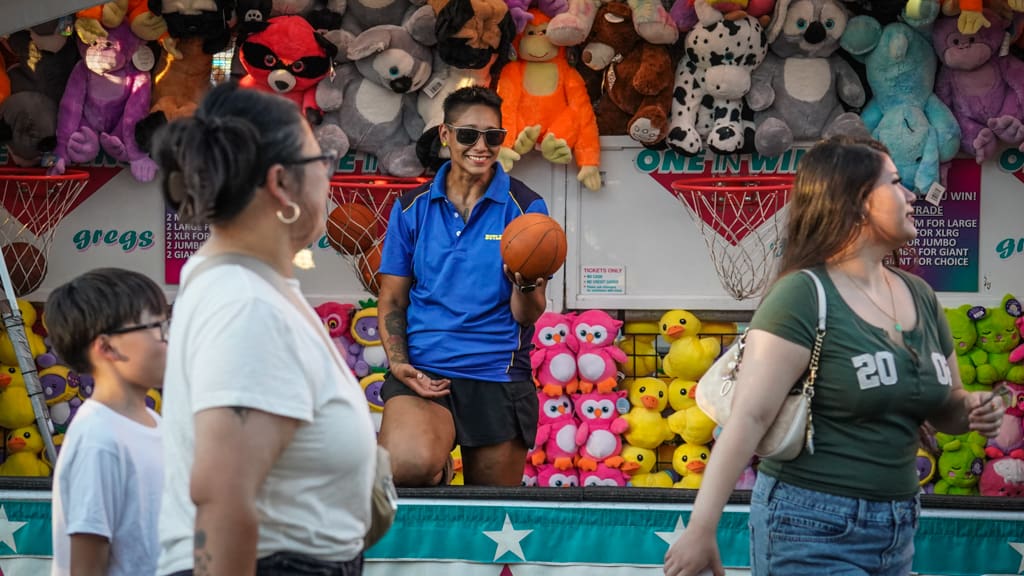
- From self-described “third-generation carnies” to college students selling deep-fried Oreos to earn some cash over summer break, the workers behind the California State Fair come from all walks of life.
- The fair is fueled by a vast fleet of cooks, custodians and ride operators, including a group of over 300 workers who travel for nine months of the year across the western United States.
- Many workers said the best part of their job is seeing the smiles from attendees. The most difficult part is avoiding the drama that comes with living in close quarters with colleagues.
Grinning behind a white handlebar mustache, Craig Tidwell dares a young man to send a dart flying into the belly of a Labubu-shaped target. If it lands, the moment will become one of the best parts of Tidwell’s day.
The tip of the dart skirts the edge of the target. After a brief moment of anticipation, Tidwell sees the dart tip had landed in the white space. The man leaves empty-handed.
“The worst part is having to tell people they lost when they thought they won,” Tidwell said.
His eyes begin scanning the midway, filled with rides and game stands, and he returns to the familiar search for new players.
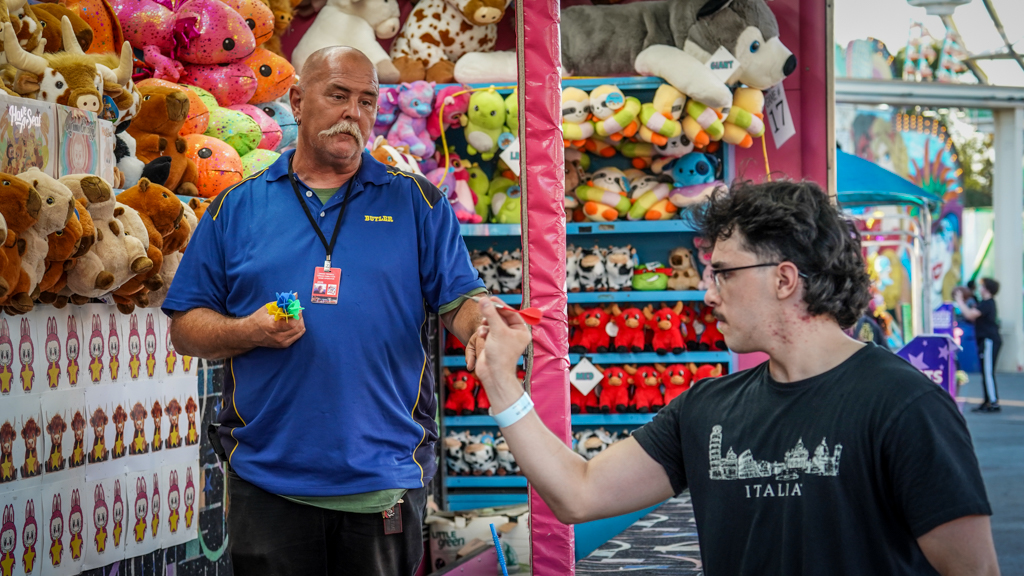
This summer marks Tidwell’s 16th consecutive year working the California State Fair, as one of hundreds of workers who travel the country operating rides, games and concessions for Butler Amusements.
Sign Up for the Morning Newsletter
The Abridged morning newsletter lands in your inbox every weekday morning with the latest news from the Sacramento region.
Despite the 100-degree heat, the unbreaking chorus of screams coming from rides and a mix of laughter and groans from the games, Tidwell keeps coming back. His kids are grown up now, and the job allows him to see friends across the country.
During his days off, Tidwell said he rolls the dice — for Dungeons & Dragons, that is.
“I’m a geek. … I try a new adventure each year,” Tidwell said.
There’s a collective imagery in America of the kind of person who works the carnival. A walk around the California State Fair, however, reveals more than meets the eye.
‘I’m a drifter’
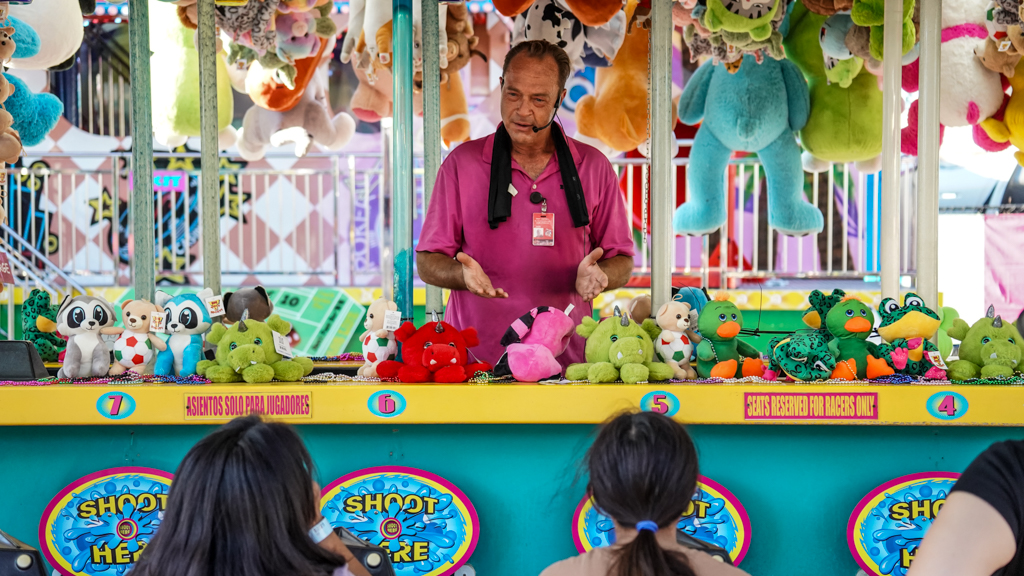
Troy Campbell knows how to work all of the fun houses, the zipper rides and the Ferris wheel, plus the dart and ring toss games. After five years of traveling, he can do it all, but his game of choice is the “water race.”
“This is my game,” he said, with a headset and microphone perched neatly behind his ears.
For most of the year, running the water race stand is the most consistent part of Campbell’s life. He operates the stand for nine months of the year, and what he does with the rest is up to him. During the winter months — when carnival season lies dormant — he goes wherever he wants, sometimes staying with his sister or visiting his kids who are now in their 20s.
“I’m a drifter,” Campbell said. “I don’t own a house, I don’t live in an apartment.”
After years of working in the automotive industry, he found that the carnival life allows him to explore new cities and make time for his hobbies like photography and martial arts.
“I’m divorced, I have nothing going on. … I get to travel, I get to meet cool people,” Campbell said. “You know, it’s an interesting lifestyle. It’s hard at times, but it’s completely rewarding.”
‘The worst part is, your family misses you’
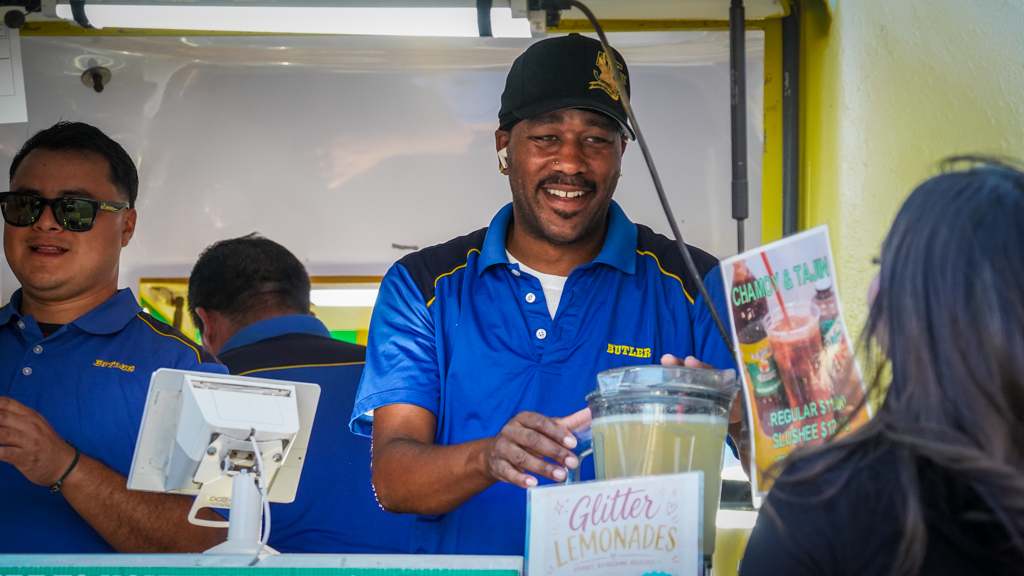
When asked what working the state fair is like, Byron Allen had one word: “Juicy!”
Allen is spending most of this fair season within the confines of the lemon-shaped concession stand that sells fresh-squeezed lemonade.
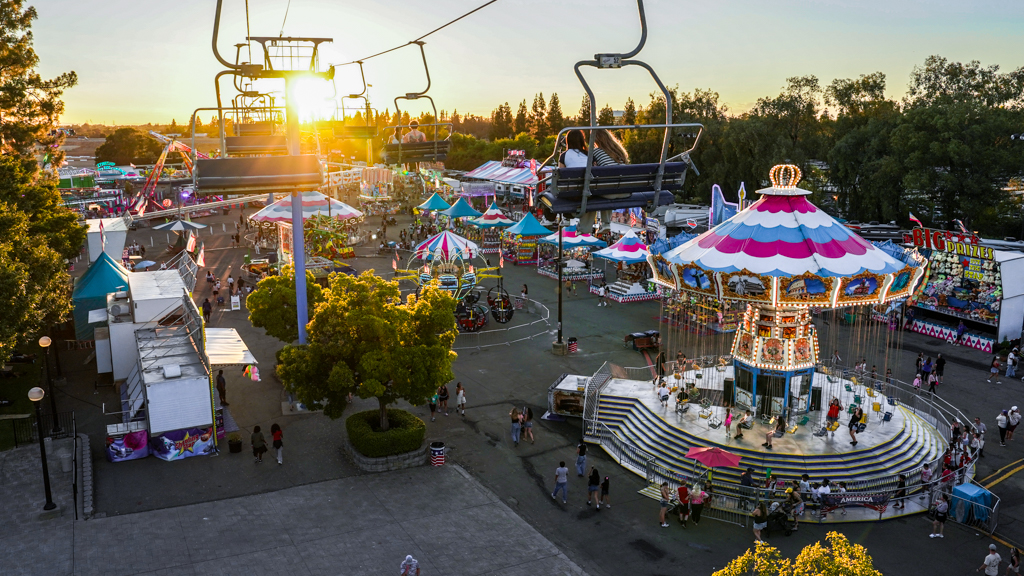
When business slows down for a moment, he’s eager to greet his fellow fair workers with a grin. In total, a crew of about 300 people maintain the rides, run concession stands and operate games at the midway overseen by Butler Amusements.
The same crew travels across California to sprawling fairs in Idaho, community carnivals in Arizona and everything in between.
Allen’s introduction to the work was more than a decade ago in his hometown of Bakersfield. A friend suggested it as a good way to make money, but he quickly found a strong camaraderie among his fellow carnival workers.
“I fell in love with the carnival,” he said.
Life on the road isn’t for everyone, but it suits him.
“The worst part is, your family misses you,” he said.
‘Everyone comes out to the state fair’
Hector Maldonado sees it all from the cashier box at the Pepe’s dessert stand at the fair’s main food court.
He’s seen sheriff’s deputies and fair attendees alike line up for deep-fried Oreos, cups of strawberries and cream and piles of miniature pancakes topped with chocolate sauce.
“We get a lot of people from the cannabis expo,” he said.
Maldonado is currently on summer break and earning money over the summer before he returns to work on his engineering degree at Cal Poly Humboldt.
He said working the fair has become a surprising source of connection. Many of his coworkers are here on a work visa program, and it gives him an opportunity to speak Spanish with them.
“I love being part of the community,” Maldonado said. “Everyone comes out to the state fair.”
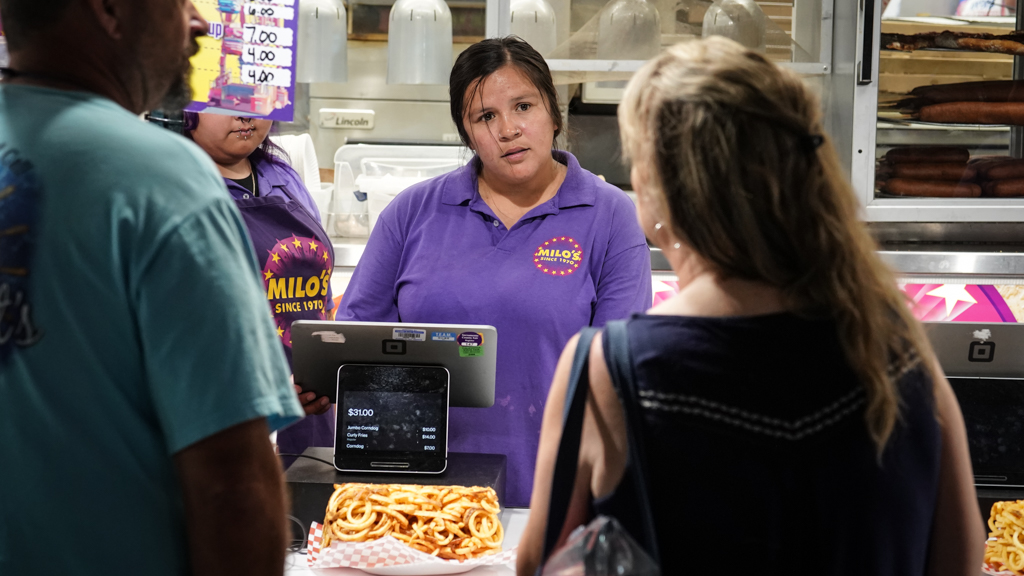
Selena Servantes is the second generation of her family to work the corn dog stand for Milo’s. The concessioner has been a feature at the California State Fair since 1970. Her mother used to run the stand, and then Servantes took over in 2014 after she passed away, eventually becoming a manager.
Servantes is based out of Pilot Hill — a small community about 10 miles from Auburn — but she spends March through October traveling the carnival circuit. With her team of 12 staffers in tow, she travels across small communities in Northern California and also makes the trip out to the Colorado State Fair.
Along the way, she travels in her trailer — known as the “bunk house” — and makes a routine of cooking up tacos on her Blackstone grill for the staff.
“It’s fun,” Servantes said. “It feels like home.”
‘That’s what carnies do, they make traditions’
Most of the year Rachelle Castro provides security services for Kaiser Permanente in Sacramento. Each year when the California State Fair schedule comes out, though, she makes sure she blocks out the dates in her calendar.
“I’m a third-generation carny,” Castro said.
Her mom used to operate the “turning bears” ride in the Kids Zone, and years back her grandmother was part of the custodial crew on the fairgrounds. Castro secured her first job with the fair, then as a ride maintenance worker, in the Kids Zone at 19. Now in her 30s, she’s the head of cannabis security.
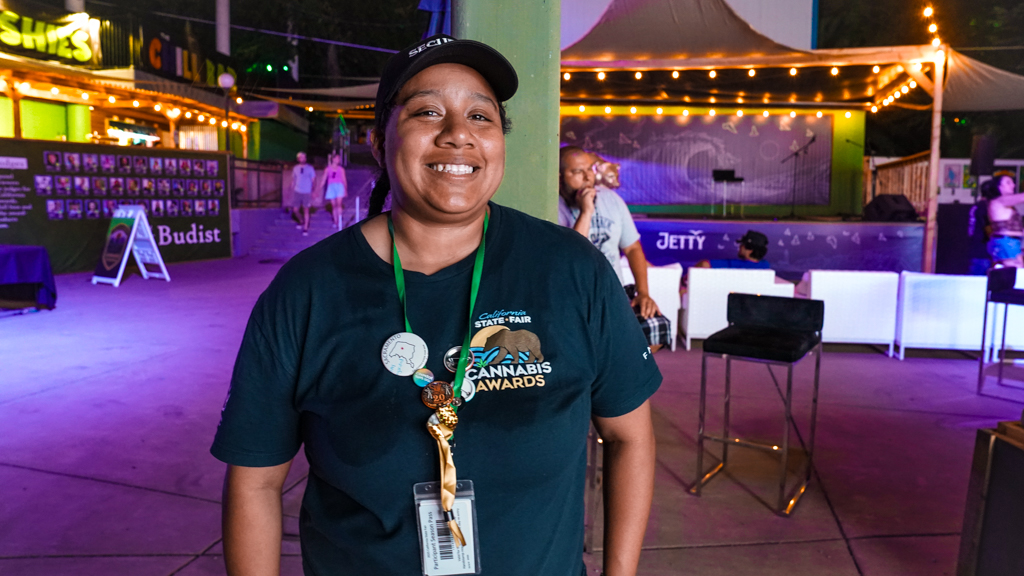
The California State Fair debuted on-site cannabis consumption back in 2024, and since then it continues to be one of the higher profile exhibits at the fair.
“From a security standpoint, I haven’t had any issues that wouldn’t happen anywhere else,” Castro said. “The same issues that happen here happen in the wine garden every day.”
So far, the new cannabis lounge has been calm, with smiling attendees excited to try out cannabis in a more public place.
“My biggest thing is making sure people aren’t dehydrated in the heat,” Castro said.
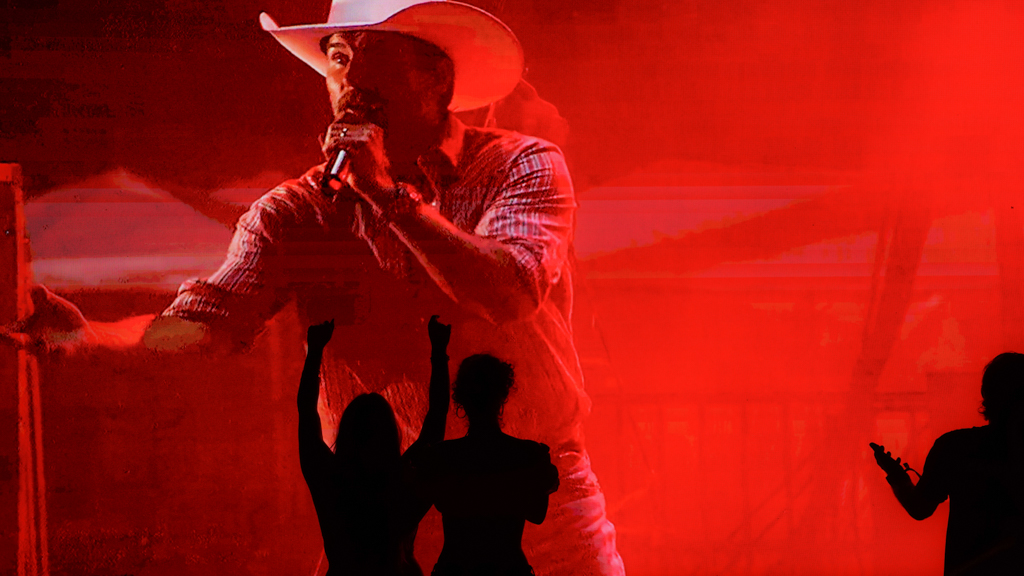
During her breaks, Castro is eager to check out the “new and shiny” offerings the state fair has each year. This year, one change is to the monorail script as it cruises through the canopy near the cannabis exhibit.
Castro and her six-person “canna-crew” that oversee the cannabis lounge are trying to make it a tradition to ride the monorail together each year. When they hear the script say, “Do you smell that?” as it nears the cannabis exhibit, they all crack a smile.
“‘Carny’ is its own family. … That’s what carnies do, they make traditions,” Castro said.
Felicia Alvarez is a reporter for Abridged by PBS KVIE covering accountability. She’s called Sacramento home since 2015 and has reported on government, health care and breaking news topics for both local and national news outlets.