

The Abridged version:
- Assemblymember Josh Hoover, R-Folsom, wants a state audit to examine the reason for the delays and cost increases on Caltrans’ Highway 50 project.
- Recent reporting from Abridged by PBS KVIE found multiple instances of “unapproved concrete” being used on the project, which later caused delays.
- Caltrans’ half-billion-dollar Highway 50 project in Sacramento has stretched more than two years past its initial timeline.
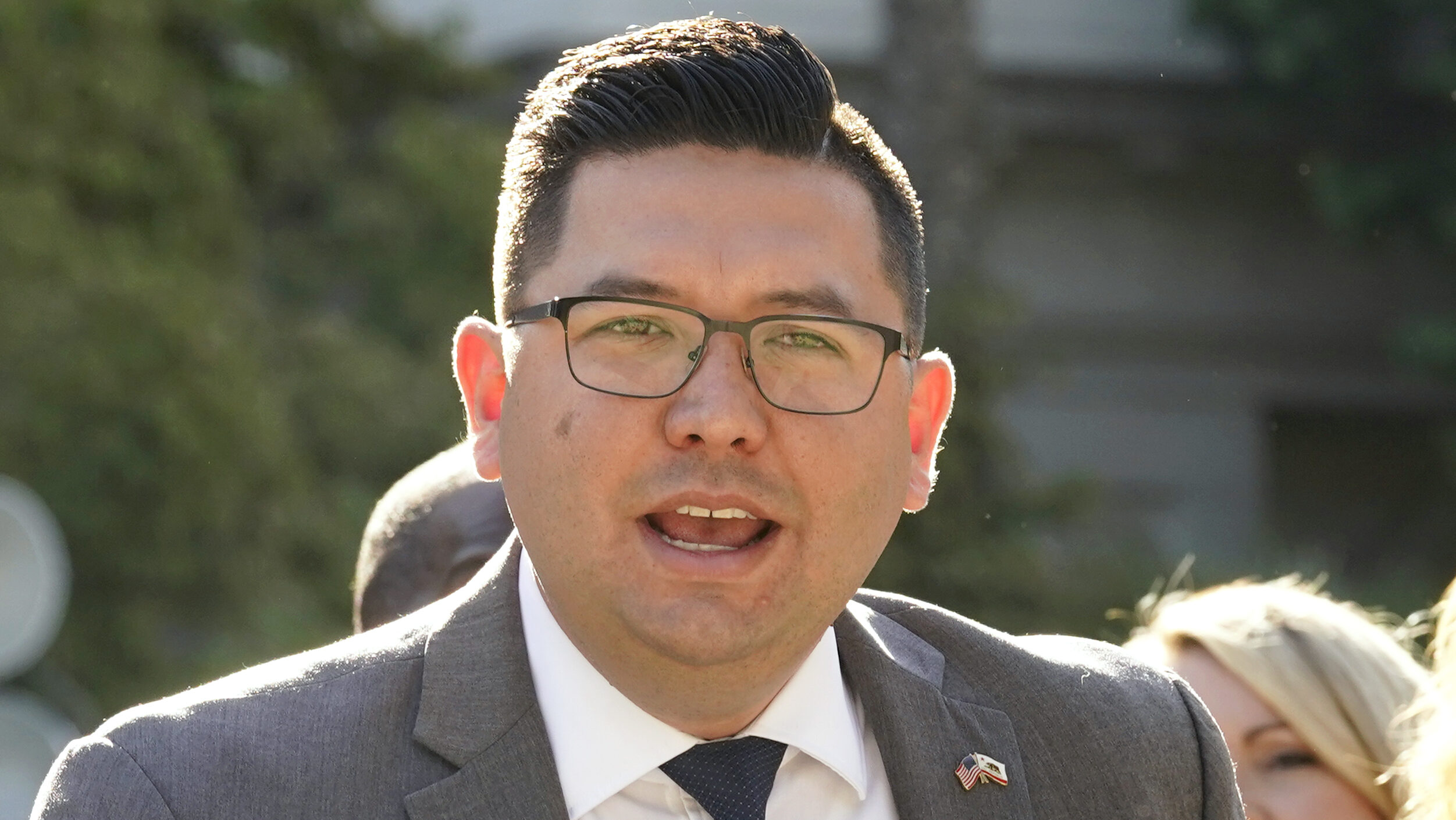
Assemblymember Josh Hoover, R-Folsom, is calling for the California State Auditor to look into the construction issues and cost increases that have snagged Caltrans’ Highway 50 project in Sacramento.
“The entire project has been an unmitigated disaster,” Hoover told Abridged by PBS KVIE.
The calls for an audit follow Abridged reporting that revealed numerous cases where crews poured “unapproved concrete,” leading to construction delays. A Caltrans spokesperson confirmed that “issues with concrete placement and substandard lab test results have caused delays in completing the project.”
Visible construction work on Highway 50 began in March 2021 as Caltrans embarked on what was then described as a $394 million project it expected to finish by the end of 2023. The project cost is now $511 million and the agency has said it will complete most of the “substantial work” by Oct. 31.
Sign Up for the Morning Newsletter
The Abridged morning newsletter lands in your inbox every weekday morning with the latest news from the Sacramento region.
Hoover said he and his constituents have endured years of delays, cost increases and dangerous highway conditions that led to deadly crashes.
“This story about faulty concrete has also been another example of Caltrans’ failure to execute this project,” Hoover said.
The assemblymember said his team has been looking into requesting an audit on Caltrans “for a while now.” He added that he plans to bring an audit forward as a priority during the next legislative session in 2027.
Hoover said he wants to do a “deep dive” on the Highway 50 construction that would look into the cost increases and “what led to Caltrans actually pouring faulty concrete without properly identifying it.”
The Abridged investigation found eight instances where unapproved concrete was poured and later discovered to have issues. Public records also show three cases where unapproved concrete was used and quality inspectors — who are tasked with overseeing compliance — were not available to inspect the concrete.