

The Abridged version:
- Sacramento City Unified officials announced a new campaign to incentivize higher attendance rates. More students attending school means more dollars from the state.
- The cash-strapped school district has been on the hunt for extra revenue sources, amid a multimillion-dollar budget crisis that began more than a year ago.
- District leaders have implemented other cuts and changes, including eliminating funding for a popular sixth grade field trip and moving high school graduations out of off-campus venues.
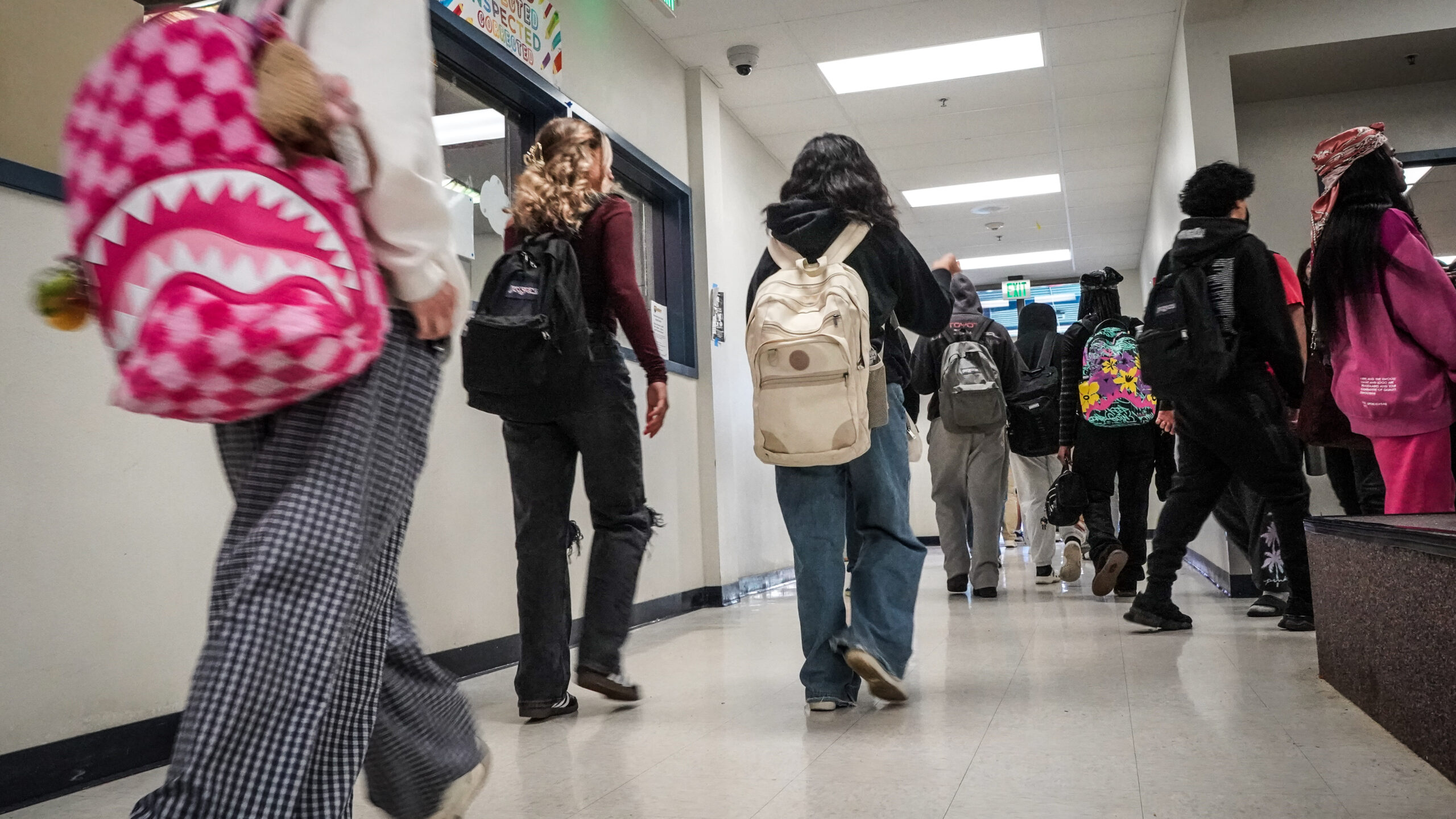
As part of their ongoing efforts to find and spare dollars however they can, Sacramento City Unified School District officials are adding incentives for schools to up student attendance levels.
Starting soon, individual schools will compete for monthly and grand prizes in exchange for reaching higher rates of kids in class.
The overall goal for the district is $2.5 million in additional state funds, according to Brian Heap, executive director of community engagement and communication.
That amount — roughly equal to what the district would make from every student attending one additional day of school — is a light dent in Sacramento City Unified’s substantial budget deficit.
District officials are still working to plug an anticipated $150 million hole before next spring. As of their latest progress report Thursday, staff had enacted about $50 million in cuts and changes.
Sign Up for the Homeroom Newsletter
A weekly email with news and insights into Sacramento area schools and how it impacts your students.
Incentives for schools
In the new “One More Day” campaign, schools will be divided into three cohorts based on their enrollment size.
Each cohort will compete in two parallel contests each month. One prize will go to the campus with the highest overall attendance. The second goes to the site with the most improved attendance rate that month.
The prizes are a visit from the district’s central kitchen food truck or a “Mystery Munchie celebration.”
“Which means,” Heap said, “they may get something cool. We just don’t know what it is yet.”
For further incentive, each time a school site wins that monthly reward, it is also entered into an end-of-year drawing for a $250,000 facility improvement project. Two schools will win, and money for those projects will come from funding sources that can only be used for campus infrastructure.
District officials plan to launch these incentives within the next few weeks.
Another arm of the overall campaign involves improving independent study programs, which can make up some portion of students’ lost attendance.
Also good for students
Student board member Owen Naqica said he would caution against reducing students to a dollar amount.
“It kind of dehumanizes a lot of it,” Naqica said.
“(I’m) just trying to think of how a student would feel if the message that is being put across is more so, ‘Come to school so we can get money.’ Over, ‘Come to school because we value and care about your education,'” he added.
Heap, in his presentation to the board, outlined several advantages for students who spend more time in school. The benefits include better academic outcomes, greater social relationships and access to free meals.
“Our students do better when they attend school every day,” Heap said. “It’s just a fact.”
Current intervention efforts
If a student misses three days of school, their family receives a call from the school’s front office, said Miranda Bredeson, family and community empowerment technician with the district. At five days, the call comes from a principal or teacher. After seven, the school sends letters to the family.
Bredeson said district efforts go beyond calls and letters, though. School and district staff have been working to develop direct relationships with students and parents to better understand their reasons for missing school.
Home visits are often the most effective way to reach families of students with chronic absences, Bredeson said.
However, with the recent loss of a grant on top of central office layoffs, she said they no longer have enough staff to make these visits regularly.
Ongoing budget efforts
District staff have so far recovered almost $50 million, roughly a third of their overall savings goal, according to a progress report presented Thursday.
Cuts made so far include eliminating funding for a popular sixth grade field trip and moving high school graduations out of off-campus venues, said Chris Ralston, assistant superintendent of facilities.
Superintendent Cancy McArn said administrators are looking beyond this school year and assessing more long-term changes to their budget building and spending habits.
“Without meaningful change, we risk losing that local decision-making authority to an appointed administrator whose primary responsibility would be financial recovery, with less room to weigh the needs of our students, staff, and families,” McArn wrote in a report to the board.
If school district leaders do not close the gap and were to run out of cash, they would need to take a state loan. In exchange for the funds, county officials would appoint an outside administrator for the district.
Sacramento City Unified board members have said repeatedly they believe they will be able to dodge that dreaded outcome.