The Abridged version:
- California state workers abandoned the office for strike lines Wednesday, protesting what they call unfair contract bargaining tactics by Gov. Gavin Newsom’s administration.
- It’s the first time in Service Employees International Union Local 1000’s history that members have gone on strike.
- Hear from state workers firsthand about what drove them to the strike line.
This story will be updated with live coverage from the strike lines in Sacramento, from Department of Education and CalHR to the lawn of the Capitol.
California’s largest state worker union is striking for the first time Wednesday, marking only the second work stoppage in history by California civil servants.
Nearly three years since over 4,000 state scientists staged the first California employee walkout, Service Employees International Union Local 1000 members across multiple agencies will demonstrate in Downtown Sacramento on Wednesday.
Local 1000, which represents nearly 100,000 state workers, hasn’t come this close to striking since a decade ago, when its members authorized a strike under then-Gov. Jerry Brown. The union called the strike off when the sides reached a contract deal two days before.
But no such deal had materialized with Gov. Gavin Newsom by early Wednesday morning, when workers showed up early to picket state offices.
Update: 9:25 a.m. Wednesday, Oct. 21
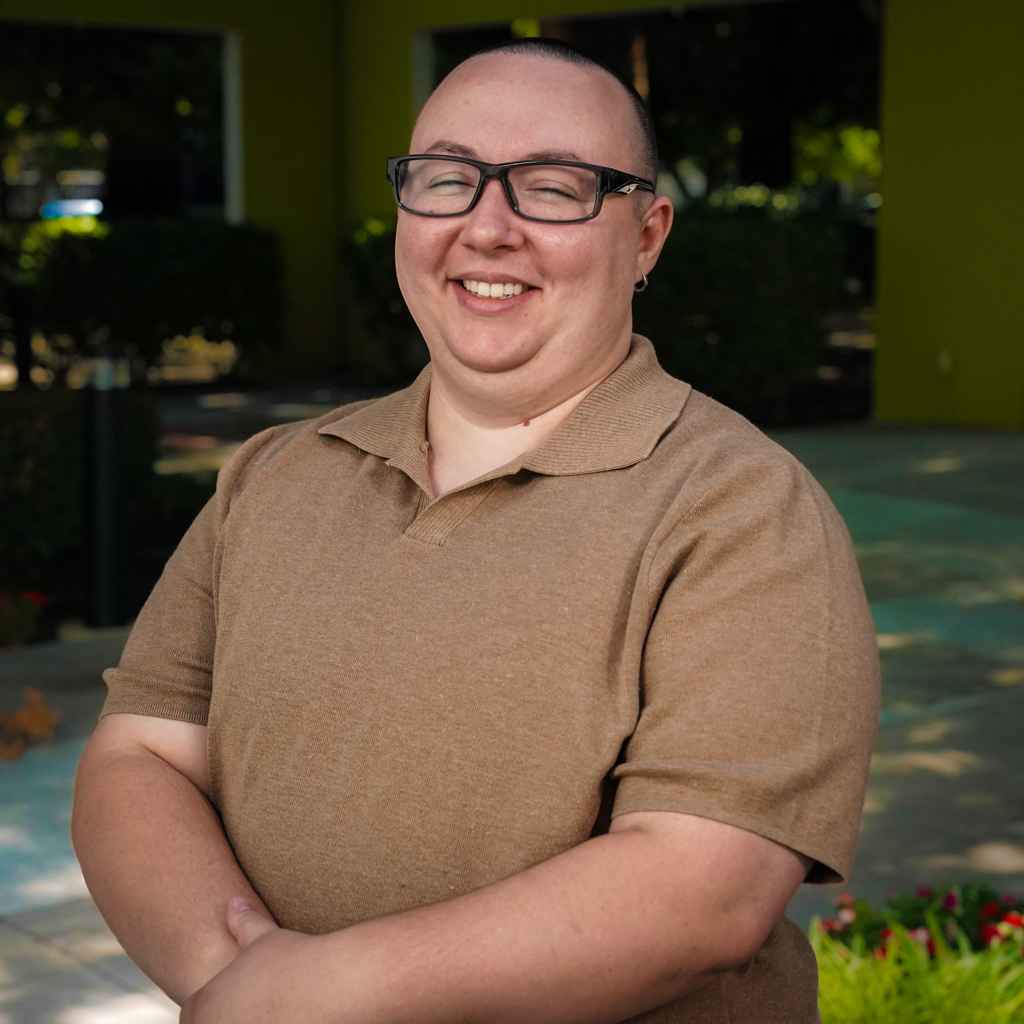
On the strike line together were Kai Ambakad and Troy Dujardin, both Employment Development Department trainers, picketing outside the YMCA, opposite the California Natural Resources Agency building.
Ambakad said his top issue was pay, and Dujardin said his top priority was what Local 1000 considers unfair practices by the Newsom administration.
“If the state feels comfortable simply telling us ‘no’ … that speaks to the condition of working people everywhere, and the degradation of working people everywhere,” he said.
Regarding whether he had an appetite for more work stoppages if there’s no deal soon, Dujardin said, “I’m here as long as it takes personally … I feel the squeeze a little bit, but I’m fortunate I can make it work.”
He added that while missing work would be painful in the short term, a strong contract now would ultimately pay dividends throughout the rest of his career.
For his part, Ambakad said he’s “more than open to” striking for longer.
Update: 8:30 a.m. Wednesday, Oct. 21
Picketing outside of the California Natural Resources Agency building in Downtown Sacramento at 7th and P streets, Jim Lane, an analyst with the state office of emergency services, said he would strike “much longer if need be.”
Lane said the “financials” of the contract dispute with the state is a top priority, and added that telework, a major point of contention between state workers and the Newsom administration, is the best way for him to do his job.
“‘Work life balance’ … It sounds very good and mushy, but it’s critically important,” Lane said. “I can literally do anything I need to do on my laptop, and have (been able to) for years.”
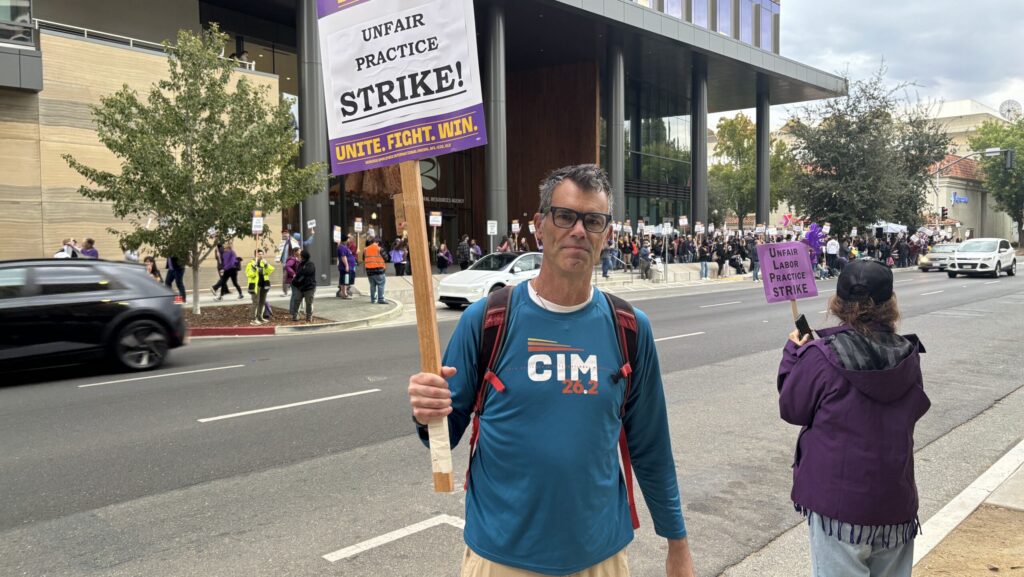
Arne Bracchi, an auditor with the California Department of Social Services, said if a deal isn’t forthcoming after today’s one-day strike, he’s willing to strike “as long as it takes.”
Bracchi, who entered state service in 2005, said his top priorities for a new contract include salary increases and “working from home.”
“I’m in the twilight of my career … I work with an outstanding team, a lot of them are the next generation. I’m doing this for them,” he said.
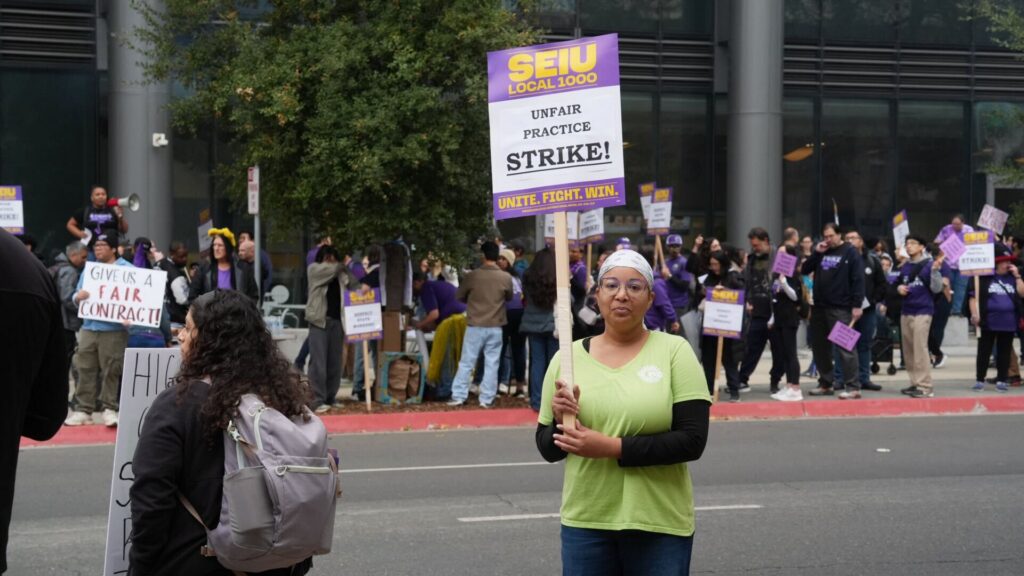
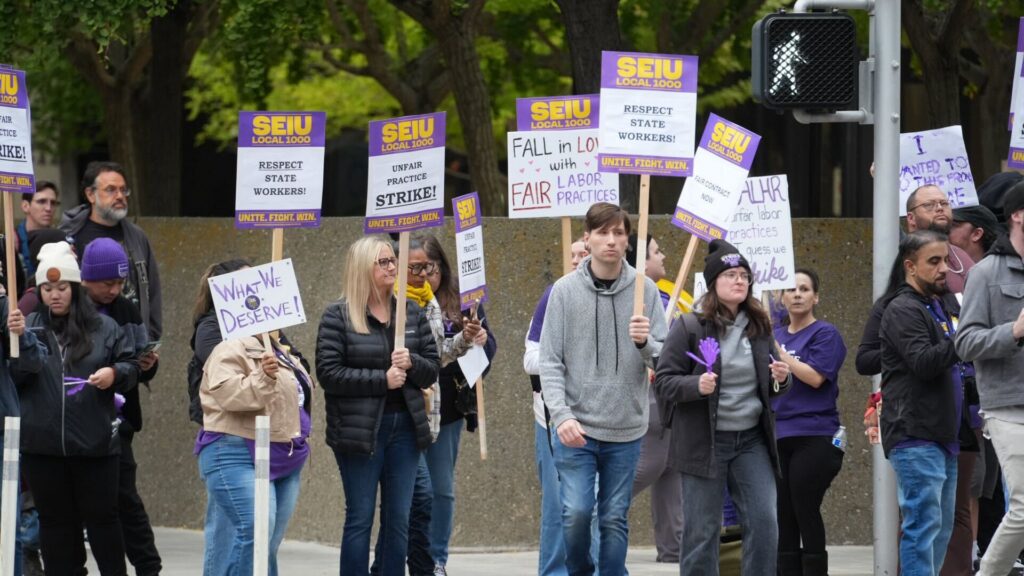
Update: 7:18 a.m. Wednesday, Oct. 21.
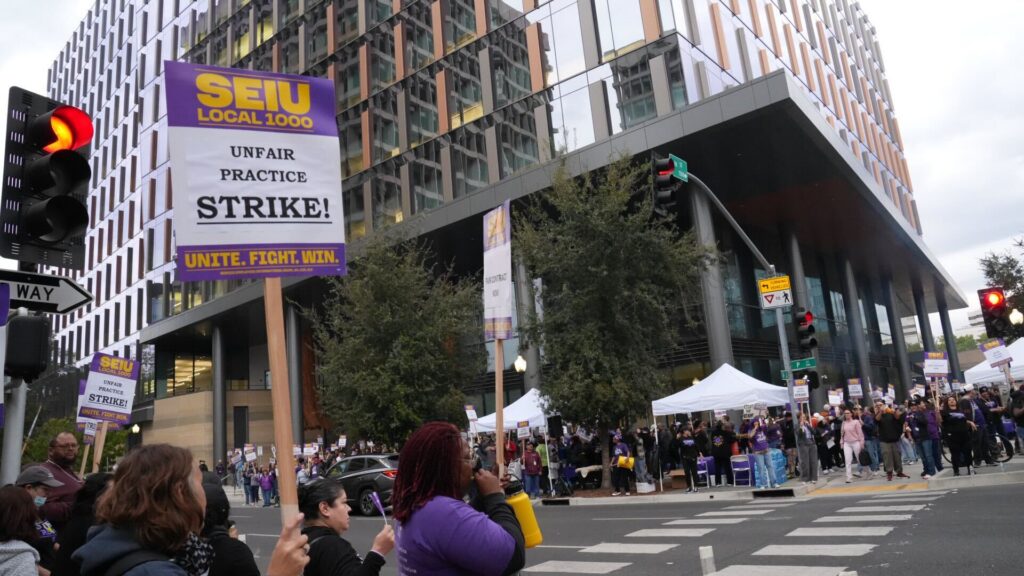
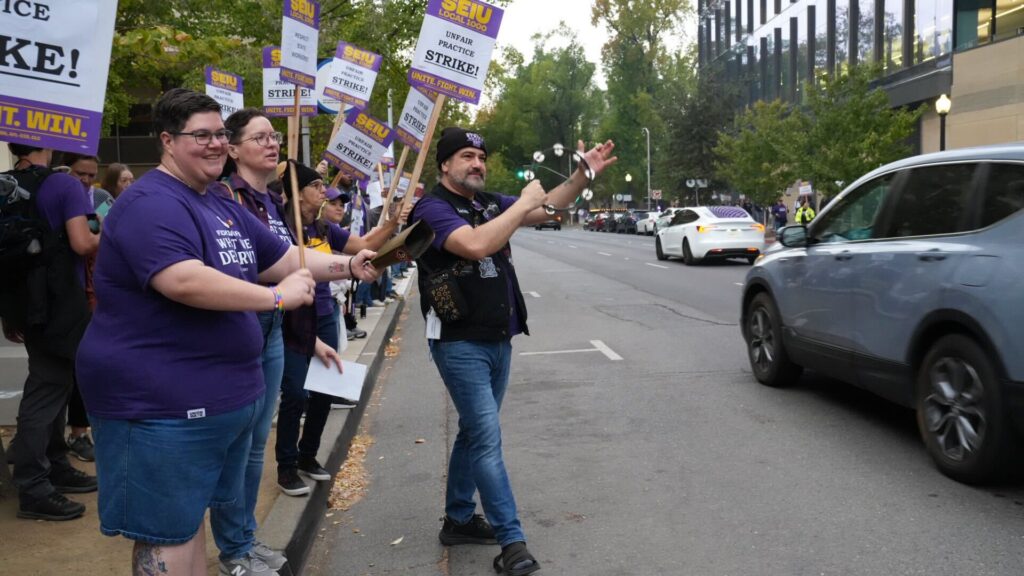
At least 300 members of SEIU Local 1000 and organizers were gathered at 7th and P streets in Downtown Sacramento after 7 a.m. Wednesday, many wearing purple and marching in picket line circles near sign-in tents set up by the union. Drivers were passing by and honking in support every few minutes.
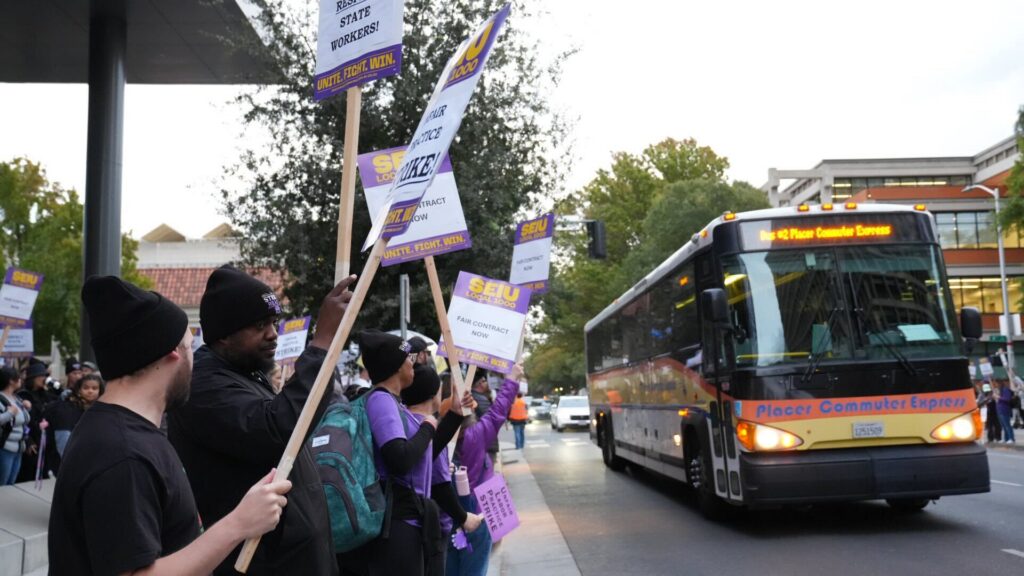
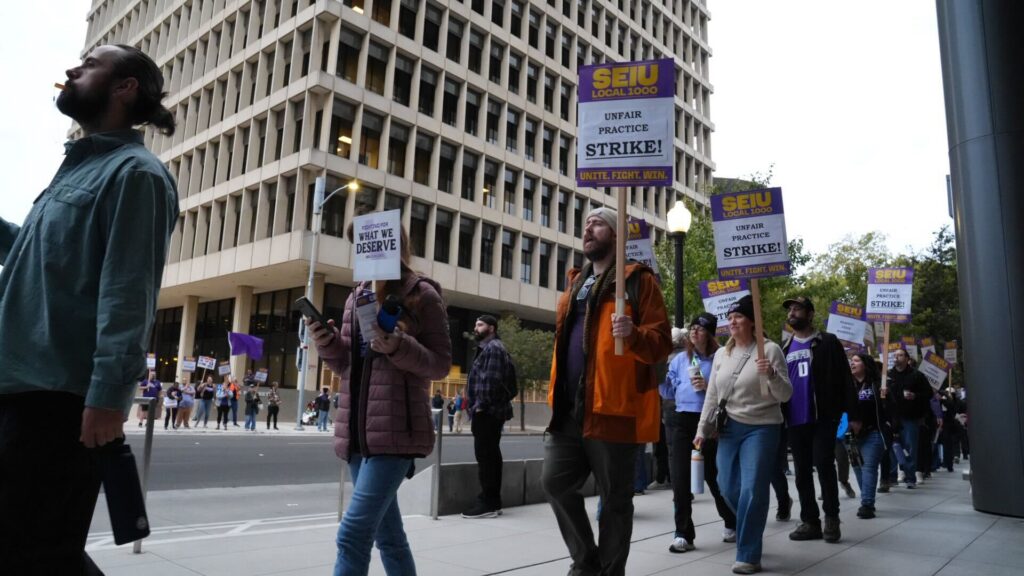
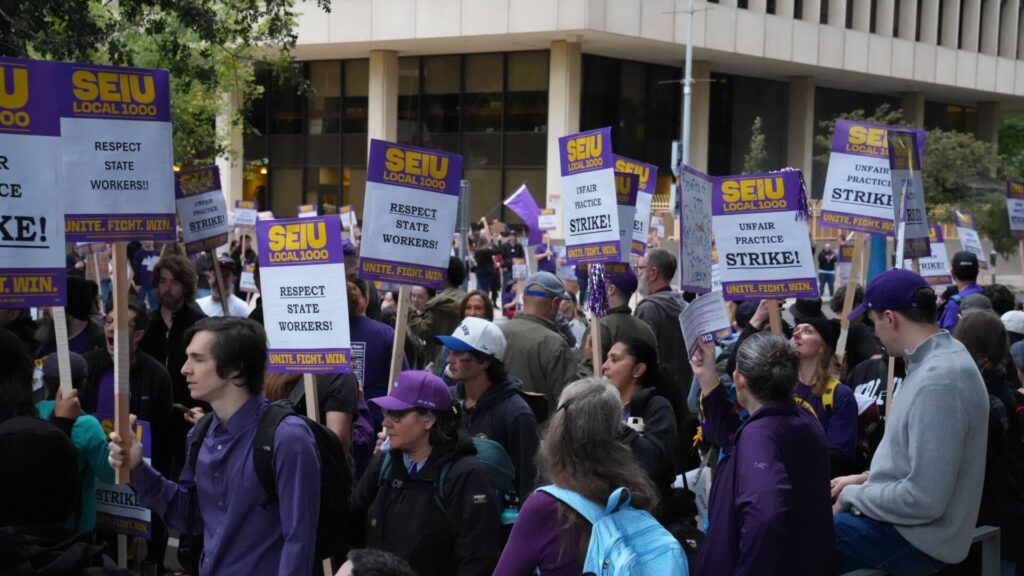
State worker union on strike
Wednesday’s strike marks the latest escalation amid tense negotiations that have been open since spring, before the union’s contract expired in June.
Those escalations have included claims of unfair bargaining tactics by both sides, a finding by California’s labor board that negotiations had reached a halt and an attempt by the Newsom administration to block the strike. The labor board didn’t agree.
With that momentum, Local 1000 may also intend the action as a show of strength amid its final contract fight with Newsom, who’s set to leave office in January.
The move may equally be aimed at California’s next governor, who’ll take over future negotiations with the state’s union workforce.