The Abridged version:
- Toll lanes are planned for sections of Interstate 80 across the Yolo Causeway, as well as eventually for Interstate 5, Highway 50 and Highway 99 between Elk Grove and Sacramento.
- The “express” lanes would designate one freeway lane for carpools and drivers willing to pay extra to get to a destination faster. The rest of the lanes would remain free.
- The toll lanes are intended to provide a “reliable free flow choice” for drivers, urban planners say.
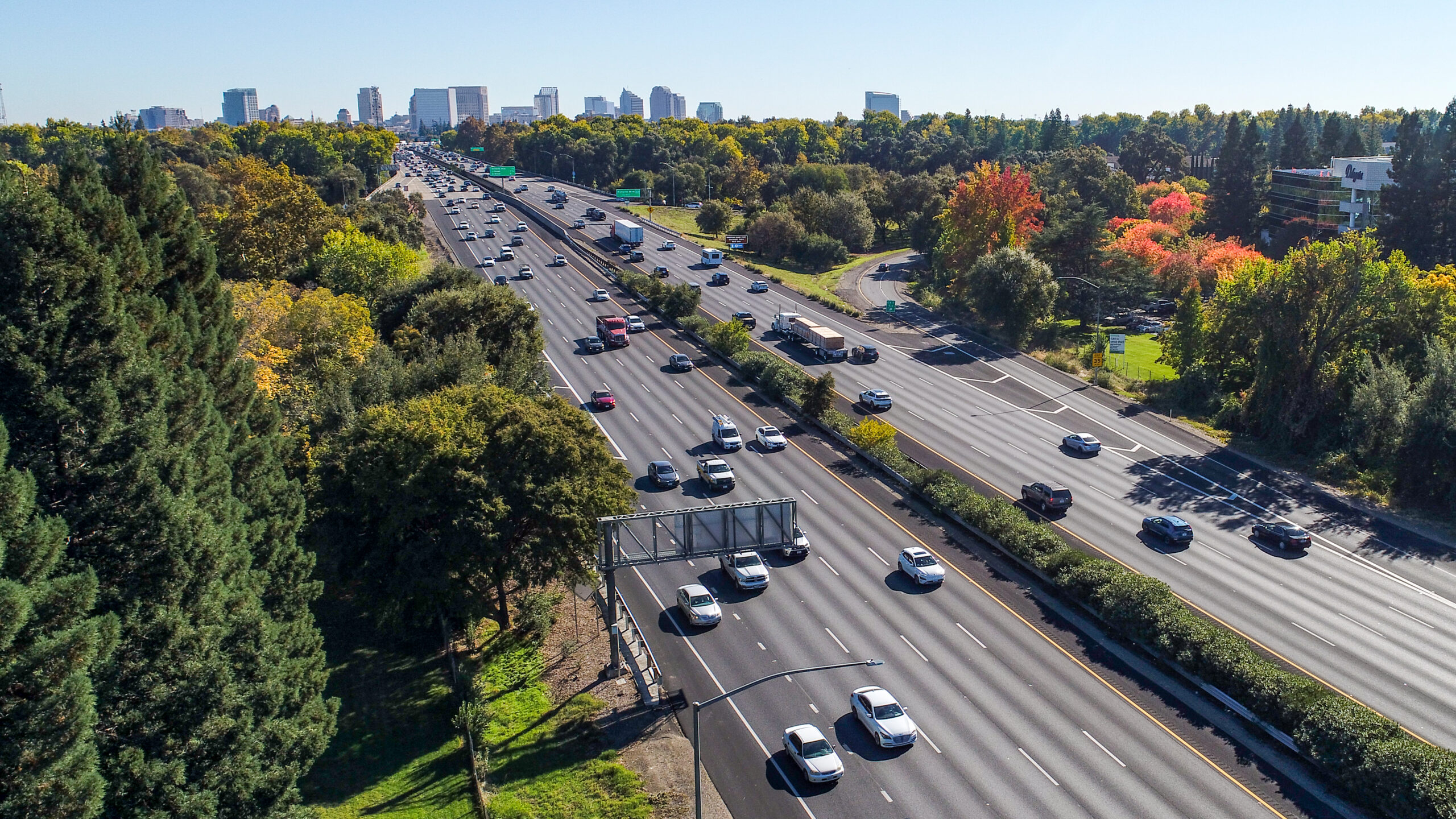
Nearly every major highway and interstate that traverses the Sacramento region could see new express toll lanes to accommodate more drivers.
That’s according to a set of maps developed by the Sacramento Area Council of Governments, which oversees long-term planning across Sacramento, Yolo, Placer, El Dorado, Sutter and Yuba counties.
“We’re one of the largest regions in the U.S. without any toll facilities,” said James Corless, executive director of SACOG.
Sign Up for the Morning Newsletter
The Abridged morning newsletter lands in your inbox every weekday morning with the latest news from the Sacramento region.
Corless said the region is facing both a fast-growing population and a public transit system facing significant financial headwinds. With no major new roads currently in the works for the region, he’s looking to managed lanes or “express lanes” as one form of relief.
“We have to think about how to provide more throughput for people in our freeway network,” Corless said.
The new lanes are anticipated to be built over the course of decades.
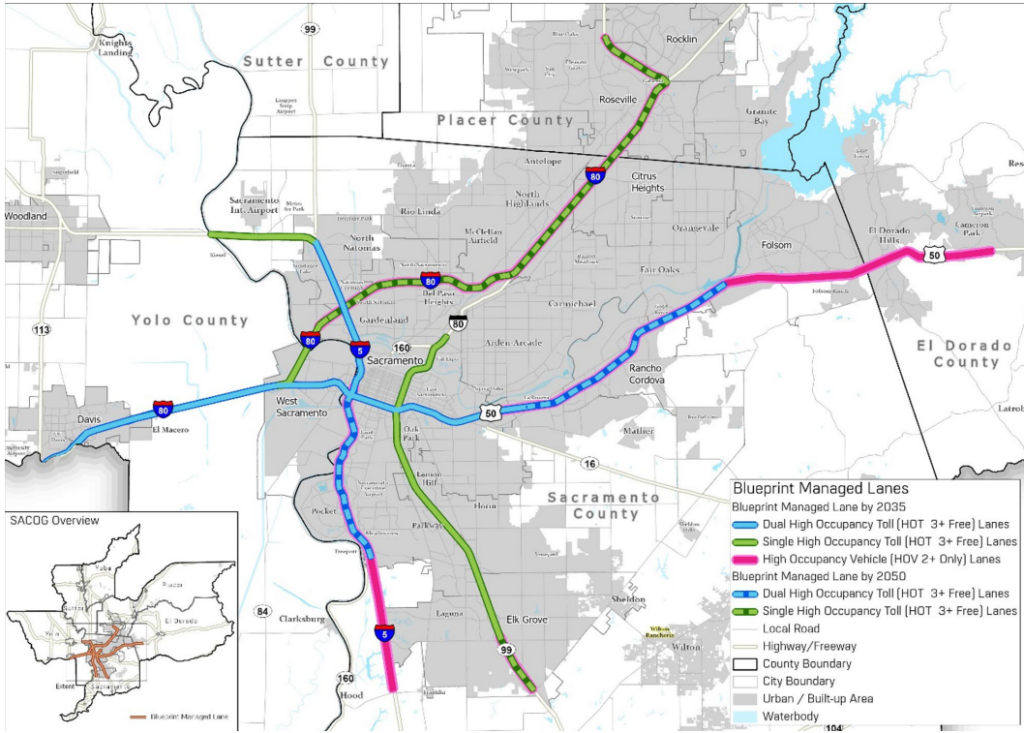
Through 2035, the lanes are likely to be built along:
- Interstate 80 along the Yolo Causeway
- Interstate 5 between Downtown Sacramento and Sacramento International Airport
- Highway 50 Between the Interstate 5 interchange and Watt Avenue
- Highway 99 between Elk Grove and Arden Arcade
Through 2050, more express lanes could also appear along:
- Interstate 5 between Freeport and Highway 50
- Highway 50 between Sacramento and Folsom
- Interstate 80 between West Sacramento and Roseville
Most of the new toll lanes are still awaiting environmental reviews and eventual public hearings by transportation authorities in Sacramento, Placer and Yolo counties.
How the toll system works
The express lanes are optional, with all other lanes on the freeway remaining free to use. Drivers who are in a hurry or who are willing to pay extra would be charged electronically via a tag on their automobiles.
“We want them to be a reliable, free flow choice for people,” Corless said.
For example, if someone is running late as they drive to the airport, or if they’re heading to an important meeting across town, they can pay for the express lane to get there more reliably, he said.
The money collected by tolls would largely go toward covering the cost of building and operating the express lanes, according to Kathleen Aziz. Aziz is the executive director of the Capital Area Regional Tolling Authority, or CARTA, the new agency that would collect and oversee the tolls.
Any funds collected that go beyond the operational costs are required by state law to be invested in the transportation corridor.
“Tolling helps us manage demand for the highway network,” Aziz said.
During peak travel times, such as a Friday afternoon when traffic is heavy to Lake Tahoe, there are currently few options to manage traffic, Aziz said.
“Pricing lanes gives us a mechanism to be able to start moving that demand around a little bit and to create a reliable option for carpoolers and drivers who want to use those lanes,” she said.
Yolo Causeway and Interstate 5 tolls on the horizon
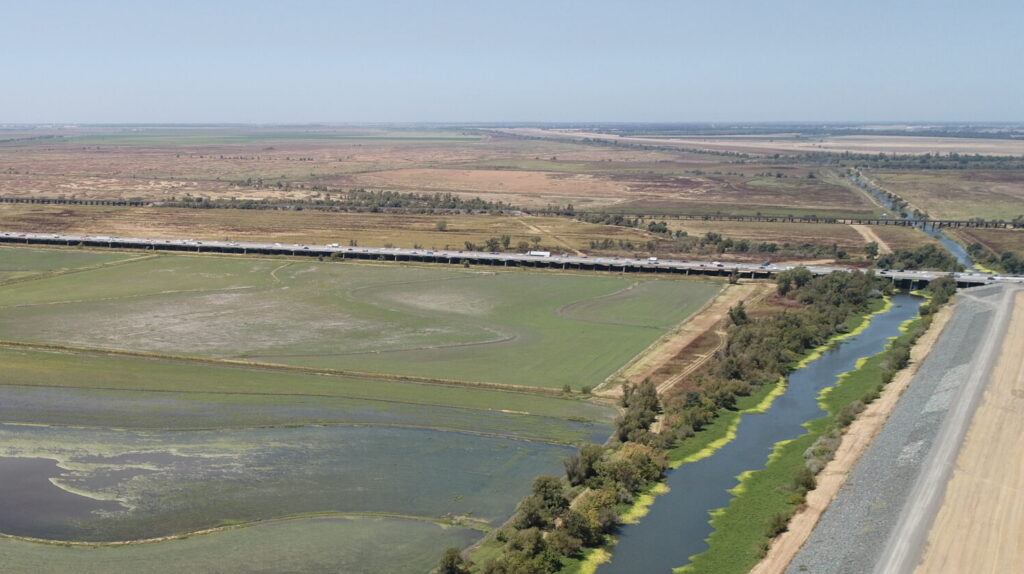
The first toll lanes that the region will see are planned for the Yolo Causeway, along a 17-mile stretch of Interestate 80 between Davis and West Sacramento. Construction of the new carpool and toll lanes is currently underway, and the toll lanes are expected to go live in 2028.
Experts are divided on whether the toll lanes could reduce congestion in the long term. The lanes are intended to encourage people to carpool and to manage traffic during peak hours. Some research, however, indicates that more lanes can lead to more drivers on the road.
“We just have to collect the data and see what happens,” Corless said. “We do know one thing: if we didn’t toll the Causeway, it would get worse and worse.”
After the toll lanes are up and running on the Yolo Causeway, the next likely location for tolls is the stretch of Interstate 5 near Downtown Sacramento.
The project is still undergoing environmental reviews and will eventually go before the Sacramento Transportation Authority for public hearings and approvals. The process is likely to take at least five years, Aziz said.