
The Abridged version:
- Thousands of creative makers in Sacramento are vying to build their businesses despite stiff competition and regulatory challenges.
- Many have day jobs to stay afloat but hope to reach sustainability with their creations and shrewd business strategy.
- The growing community has more and more sources of support, but many also underestimate the challenges they’ll face.
They are cooks and crafters, builders and artists, and thousands of them are trying to make it as makers in Sacramento.
Especially at the height of the holiday shopping season, these entrepreneurs are crowded into makers’ spaces, craft fairs, pop-ups and farmers markets hoping for sales to sustain them another day.
With makers’ markets saturated, the competition for space and sales is stiff, and the receipts often don’t cover expenses. Food sellers face regulatory hurdles that can mean costly delays, even for the most meticulous applicants. And yet, these intrepid creators persist in pursuit of their dreams, grateful to be part of a creative, collaborative culture.
Some Sacramento makers are buoyed by start-up grants, workspace, pop-up opportunities, equipment like 3-D printers and laser cutters and entrepreneurship training. Organizations like the Alchemist Community Development Corp., MADE Studio, Sacramento City College Makerspace, Sacramento State’s Stinger Studio and even public libraries educate, nurture and facilitate creativity and productivity for the region’s makers.
“I’d say (the movement) has tripled in size over the last 10 years,” said Jen Moore, owner of the River City Marketplace, which has more than 2,000 vendors on its list for pop-up events. “It’s huge, and it makes such an impact. We all want each other to succeed.”
From kava to earrings and pendants
MADE Studio in Oak Park was booming with DJ beats as Quynh Yamamoto gleefully pitched her product to everyone who walked in on a recent Friday night. Pila Kava is a fruity, bottled version of kava, a drug derived from the root of a plant grown in the South Pacific. Yamamoto claims it delivers “chill and happy vibes” and sells the alcohol alternative in $3 shots or small $5 bottles.
The entrepreneur said her biggest challenge is paperwork navigation and having the patience to stick with it.
“You don’t want to burn out,” she cautioned, especially when the goal is to own a kava bar, lounge and community space, plus sell the product wholesale.
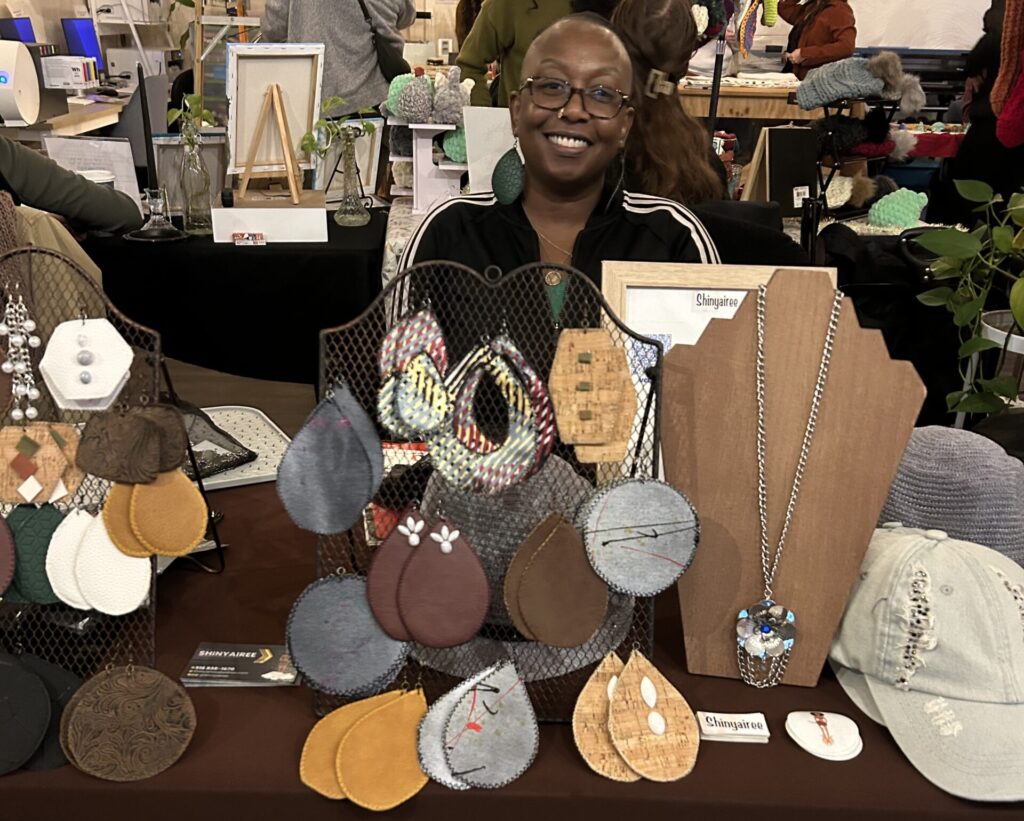
Tucked in a nearby spot, Sandra Arnold of Shinyairee was selling her teardrop-shaped leather and fabric earrings. She said she’d love to make her art a career, but sales don’t pay the bills. She works full time for Kaiser Permanente.
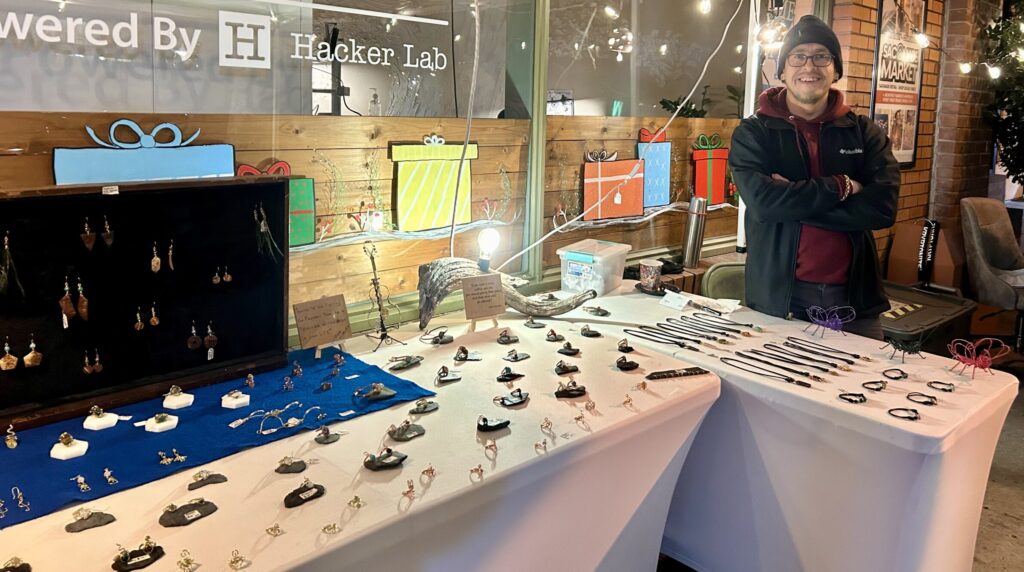
Just outside, César Rodriguez was peddling his handmade jewelry, hoping to sell as many pieces as he could during one of the last events of the holiday season. He hopes someday to land a potentially more lucrative spot at the Midtown Farmers Market. It’s a crowded field, with more than 93 artisan vendors already and a waitlist of 350 applicants vying for a mere six spots each year.
“It’s hard, but I’m a very positive person,” he said. “I can’t get sad or anything. It’s not in my control. I’ve discovered that when I’m happy, I can do anything.”
‘It’s a struggle’
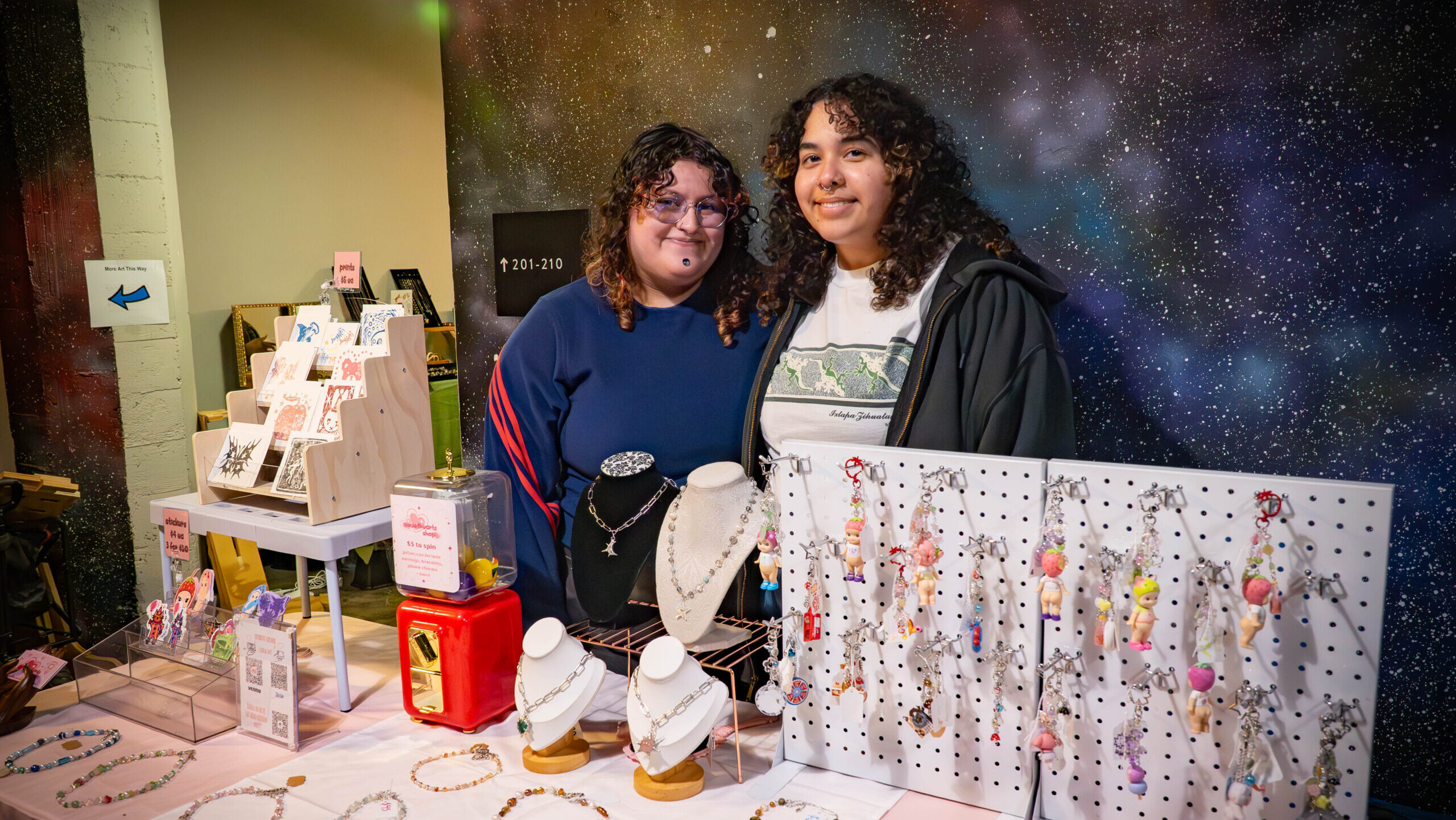
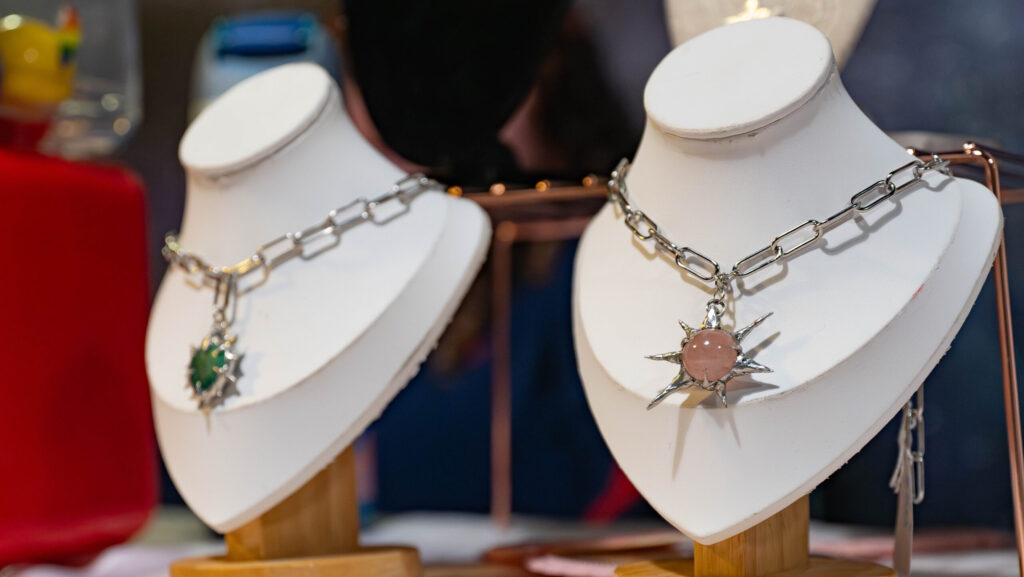
Both well-known and lesser-known makers at the Warehouse Artists Lofts on R Street host First Friday events. Sweethearts shop owners Deja Martinez and Nayeli Hernandez set up to sell quartz pendants and Sonny Angel keychains alongside woodworkers, painters, jewelry makers and designers.
Martinez acknowledged that with tepid sales and rising costs for rent and other necessities, “it’s a struggle” and that the couple relies on Hernandez’s work as a medical assistant to stay afloat.
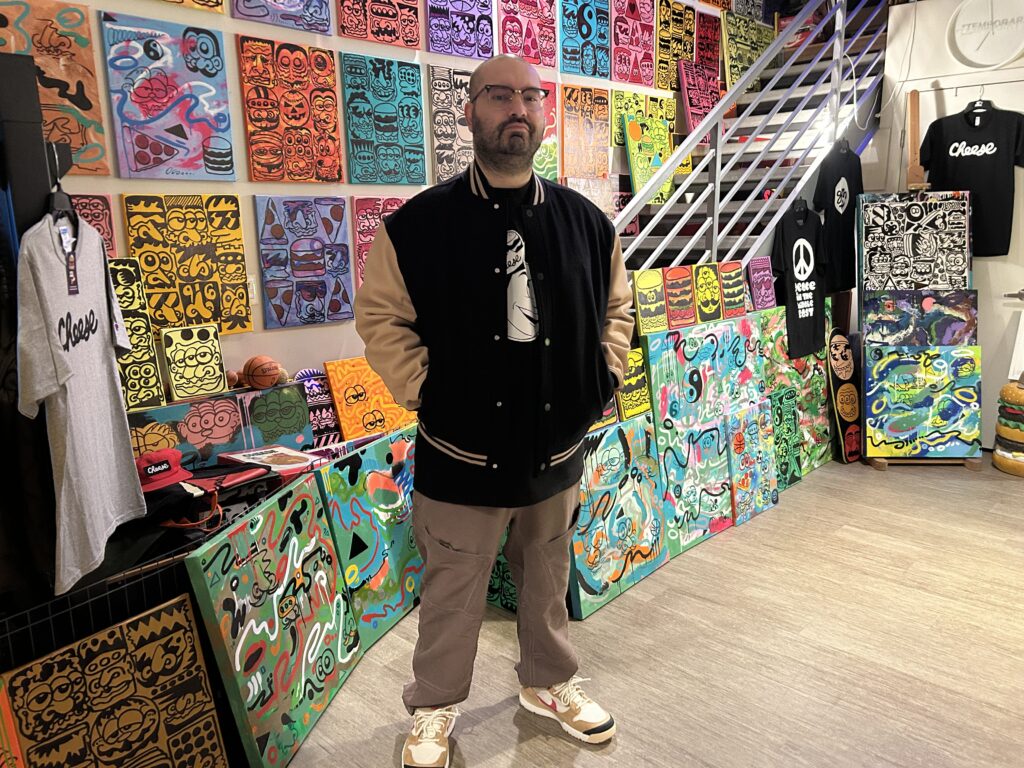
The trick to sustainability, suggested WAL-based designer Navid Dehghan of Extra Cheese, is to make products like T-shirts and hats.
“I’m using my products to get the (art) work out there, which may lead to paintings or logos for a store or restaurant,” he said.
Outside income a necessity for most
Still, he teaches to make ends meet. “I think it’s healthy to be creative, good for the soul,” he said. “It’s not scary if you are doing what you believe in. Just figuring it out is a creative act.”
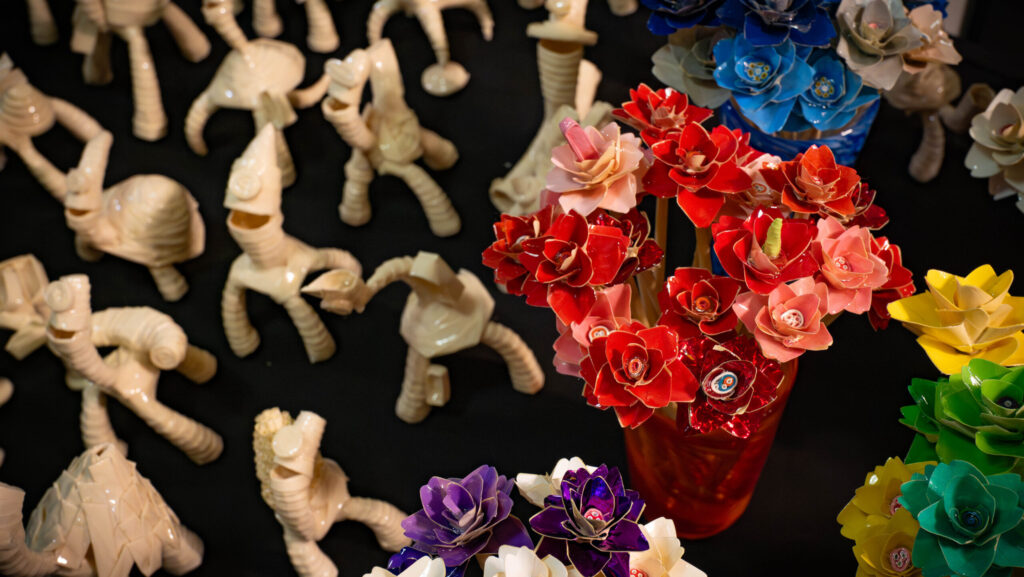
Even the most successful makers seek extra income. Danny Scheibel, founder of Tapigami, has amassed awards for his playful tape art, earning spots at major makers’ fairs, large installations and an artist residency in Japan. But after 60,000 hours making his “spirits of imagination,” he also picks up extra jobs.
“It gets old relying on selling your art,” he said.
Food makers face special problems
Makers often underestimate the challenges. Launching a food business is especially hard, said Jacob Sacks, director of economic development at the Alchemist Community Development Corp., which provides comprehensive business training and mentorship for select food business entrepreneurs.
“Food is so approachable and culturally significant,” he said. “People often look at the food business as a low barrier to entry, a natural pathway. But it is one of the most volatile and difficult industries.” About half will fail after two years, and 80% shut down after five, he added.
Midtown Farmers Market one of the biggest
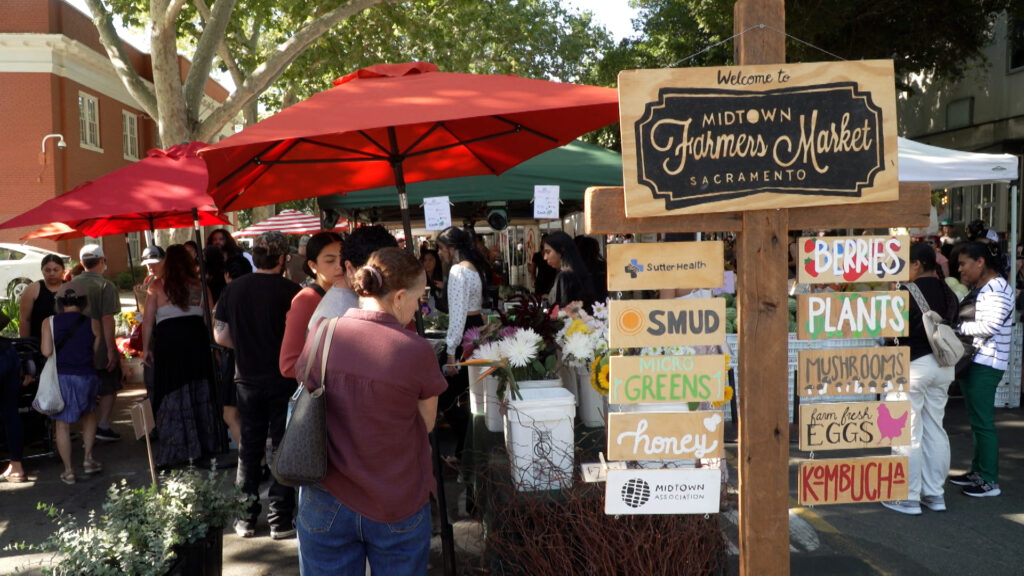
Currently, a dozen food businesses supported by Alchemist’s guidance operate at the Saturday Midtown Farmers Market, which has grown into one of the best in the nation with more than 300 vendors.
Because an estimated 5,000 people visit the market every week, it can be a major launchpad for makers.
Kasandra Kachakji, owner of Meza, sells Arab-Mexican street food (think a taco with al pastor lamb, arugula and pickled onions). After years of running pop-ups at bars, restaurants and farmers markets, she held a grand opening celebration on Dec. 4 of her brick-and-mortar restaurant in the former Simon’s location on 16th Street. Guests were treated to crudités with creamy dips and pita bread, along with hibiscus juice and choco-tahini cookies.
Pablo Rivas hopes for the same outcome. After experimenting with recipes and cooking outside a bar during the pandemic, Rivas won a Street Food Sacramento grant, a program of the Midtown Association that ran from 2020 to 2023. With it, he earned a spot at the farmers market as Old Coyote. His niche: pupusas, Salvadoran corn cakes filled with meats, cheese and other savory ingredients. Today, the 32-year-old has enough income to hire employees and has a small business loan to lease a Midtown restaurant space.
“You have to be smart about what you want to make,” he said.
Artisan food makers eternally hopeful
Abundant optimism pervades Sacramento’s artisan food culture. Among the eternally hopeful are the Fork Fire Foods owners who make tangy marinades with 32 organic ingredients, also sold at the farmers market. At 66 and 68, Lee and Kathy Kuykendall say they should be retired but are determined to scale their business, selling by the caseload, not the bottle. After investing about $200,000, they have yet to turn a profit.
The setbacks have been personal (Kathy’s breast cancer treatment) and regulatory — including long delays in obtaining a cannery license, a paperwork mishap involving the ingredient list, and changes in state inspection laws. The couple hopes to finally release 200 cases of product that are headed for Raley’s grocery stores in January.
“It’s going to be OK,” assured Lee. “We are never going to quit. We don’t quit anything ever.”
Dorsey Griffith is a freelance journalist in Sacramento.