
The Abridged version:
- The Sacramento Antique Faire comes to the old Sleep Train Arena parking lot the second Sunday of every month.
- It is more than 20 years old, and founder Marylon Rose takes pride in its loyal community of vendors and customers.
- More than 300 vendors sell thousands of items from antiques to original art, collectibles and vintage clothing.
- The next fair is Sunday, March 8 from 6:30 a.m. to 3 p.m. at Truxel Road and East Entry Drive in Natomas.
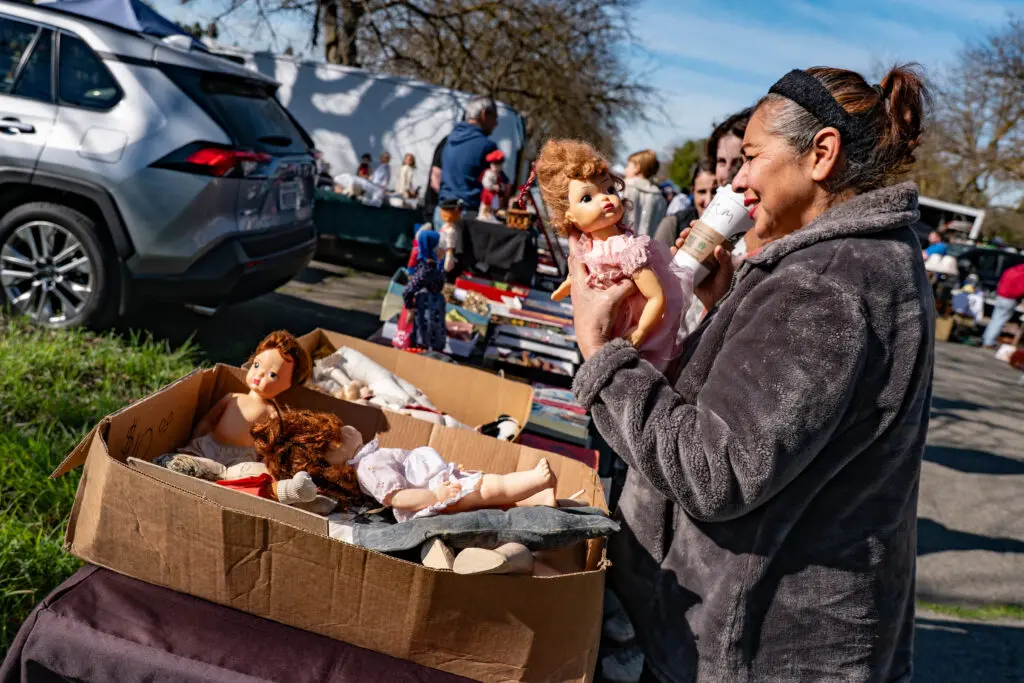
On the second Sunday of each month, a temporary city begins to take shape hours before sunrise in the abandoned parking lot of the former Sleep Train Arena in Natomas.
At 3:30 a.m., more than 300 trucks, vans, cars and trailers roll in, each one filled to the brim with timeless treasures. Behind the wheel sits an unforgettable gem — an antiques dealer with this month’s haul ready to unveil their quirky collection. They are more than monthly vendors.
They are the heart and soul of the Sacramento Antique Faire, one of the largest events of its kind in Northern California and beyond. In a matter of minutes, the makeshift mall transforms into something that is both overwhelming and intimate — a living archive of objects curated by hundreds of individual lives.
What truly distinguishes the Sacramento Antique Faire is the promise shoppers find in the one-of-a-kind wares and the vendors who sign a contract pledging their collectibles are more than 20 years old. No reproductions are allowed. The gates are open from 6:30 a.m. through 3 p.m.
An exit led to a lifetime of joy
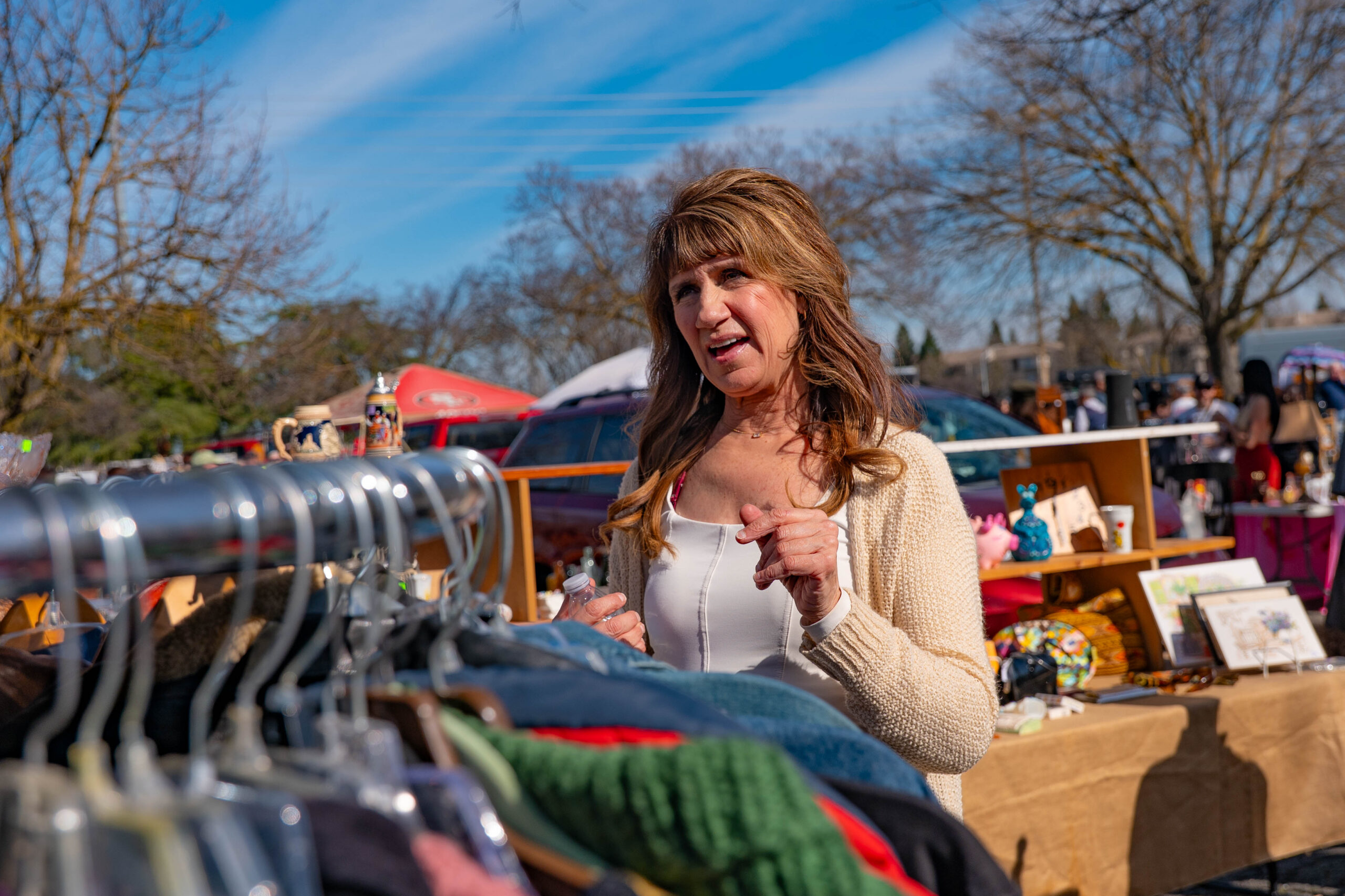
“I’ve never gotten the consistent joy that I’ve gotten here,” said Marylon Rose, founder and owner/operator of the Sacramento Antique Faire.
Finding that joy was not easy work. The year was 2001. Rose, a mother of two, had been a stay-at-home mom for more than a decade. The time had come when she had to find work. She had three months to come up with a plan. “I was getting off the freeway at the 16th Street exit with my little kids in the backseat and said, ‘What does mommy enjoy?’ My son said ‘antiques’ and it hit me,” Rose said.
Rose loved antiques stores and had become friends with several shop owners at 21st and X Streets near the exit to her Land Park home. “They would tell me they didn’t have enough business or foot traffic and couldn’t afford advertisement. And boom, it hit me! This makes sense.” The answer was right in front of her eyes in more ways than one.
She decided to create the Sacramento Antique Faire right across the street from the shops she loved. Rose says the concept was unconventional. “I can charge rent and then I’ll do a collective advertising budget so I can afford to advertise the fair. And then run the thing and they can get more foot traffic. It was just a way to try to build business for the antiques community.”
Planning took years
It took three years to plan and get the Sacramento Antique Faire going, first launching in 2004 at 21st and X Streets. The first show attracted 143 vendors. By the second month, participation doubled. “We had 300,” she says. “We were full the second month.” The immediate response told her that Sacramento was ready for a marketplace built not only on antiques but on human interaction and storytelling.
“I’m a sociology major and I like the idea of bringing community together. An event that is clear and easy. Something the same yet completely different for people to come to every month,” Rose said.
”The best part of this without question is seeing people gather and be happy together,” Rose added.
Highway work forced move to Natomas
In 2021, the monthly fair moved to its new Natomas location to make room for the Highway 50 construction project. Rose hopes the fair will move back to X Street later this year.
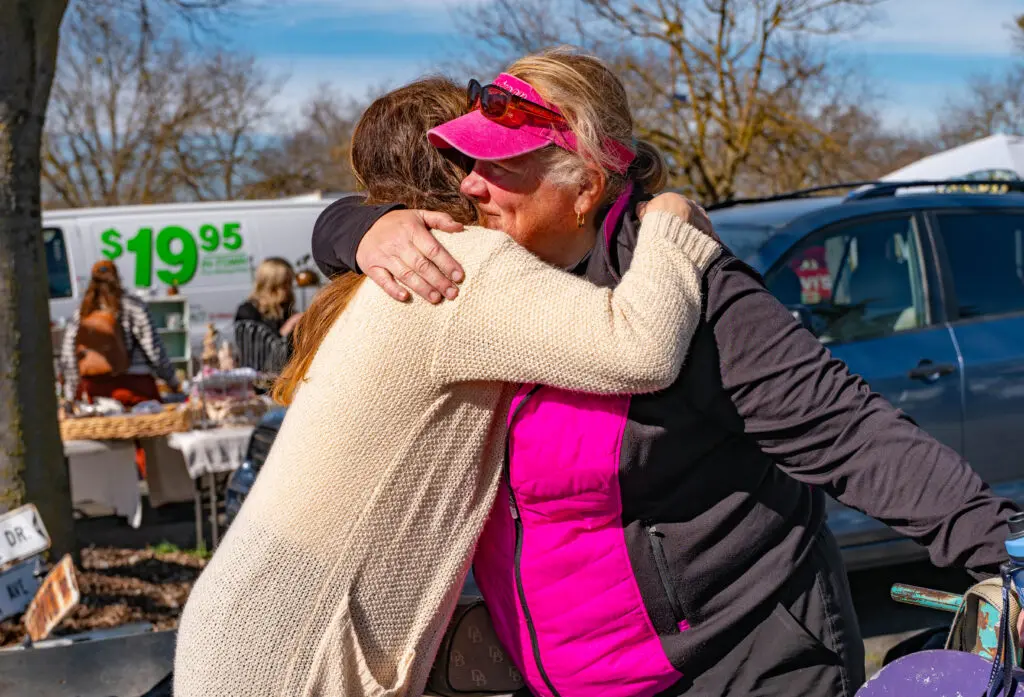
Entrance is inexpensive, $3 per person and free for those under the age of 16. The fair draws people of all walks of life. “I love the expression, ‘People feel comfortable coming here and being themselves,’” Rose said. “Just look around. Everyone is happy. And now, there are so many generations here, there’s this new generation, the young people coming in their vintage garb and they look great. And look, all ages are talking to each other. It’s a family of 5,000.”
Today, more than two decades later, Rose remains at the helm, overseeing an event that has become both a commercial platform and a social ecosystem. She describes her role with characteristic understatement and is quick to redirect credit elsewhere. “These vendors are the reason that this fair exists.”
Vendors are family
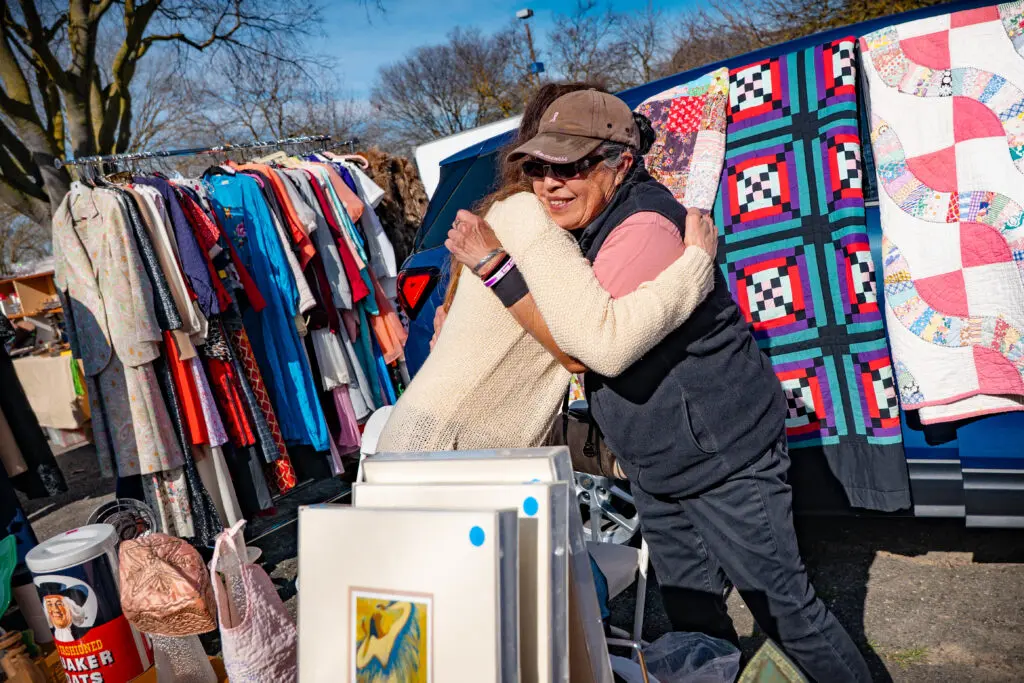
Vendors form the structural and emotional core of the Sacramento Antique Faire. Rose repeatedly emphasized that the event’s existence depends on their commitment and satisfaction.
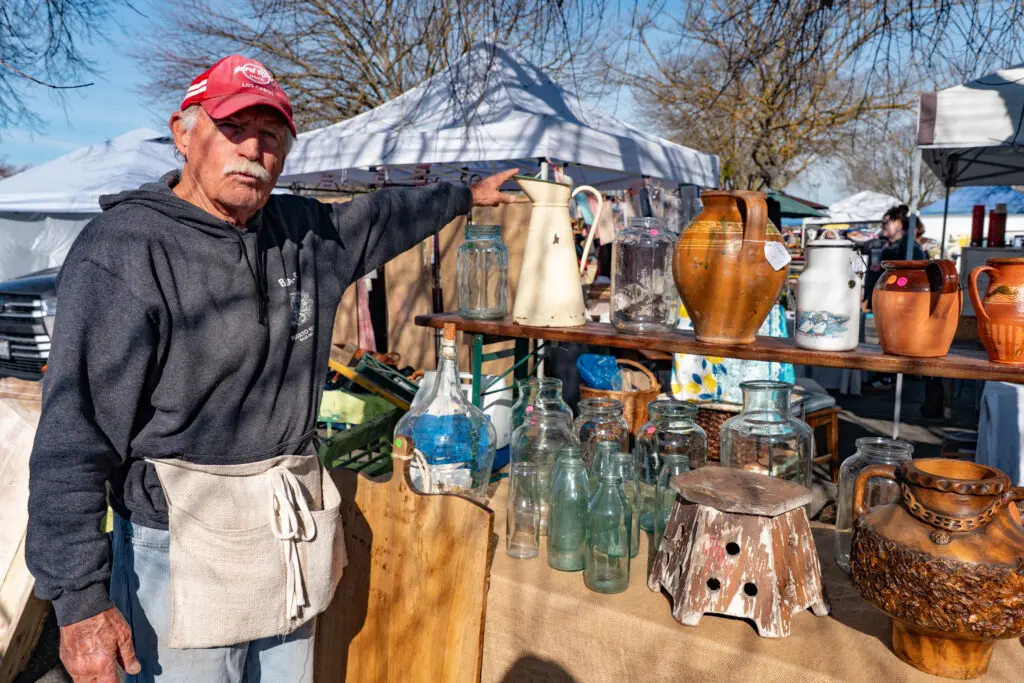
Joan Furtado stands out as a foundational figure, a longtime participant whose relationship with Rose goes back to the very beginning of the fair. In 22 years, Furtado has only missed one month. Furtado scours the state for treasure to sell each month. She is the epicenter of the fair.
“This is a big part of my life. It’s not just a job, it’s a culture,” Furtado said. A longtime dealer, Furtado buys a huge variety of collectibles from across California and has been doing so for 42 years. Furtado sells daily at an antique booth in Roseville. “And let me tell you, I do more (at the Faire) in one day than what I do in a month at my other spot.”
Furtado says the fair is priceless to her in many ways.
“We all know each other, we’ve grown together, we’ve aged together, it’s just really been a rewarding experience for me.”
‘They blow my mind’
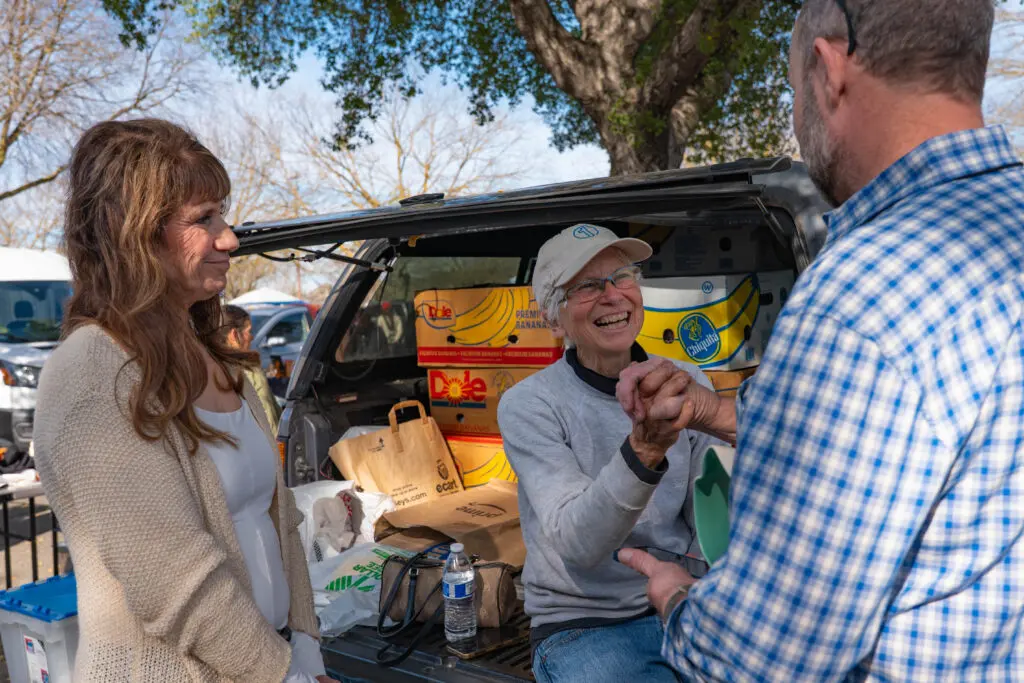
Longtime attendee Rick Hamilton always starts with Furtado’s nine tables. “She’s the real deal; she’s the dealer who puts her stuff out and other dealers flock.” Hamilton divides his time between Sacramento and Massachusetts and still makes a point of attending nearly every month. “All the time. Almost every month,” he said. His recent acquisitions include “a little piece of crystal and an illustration original of the Palace of Fine Arts from 1916.” The range of available items continues to impress him. “They blow my mind. It’s incredible and different every single time.”
Newer vendors bring additional layers of specialization and narrative. Allison Nord, who focuses on vintage signs and industrial artifacts, describes the collecting process with humor and precision. “It’s a slippery slope from collector to hoarder,” she said, referring to her extensive storage collection as “Mancave Disneyland.”
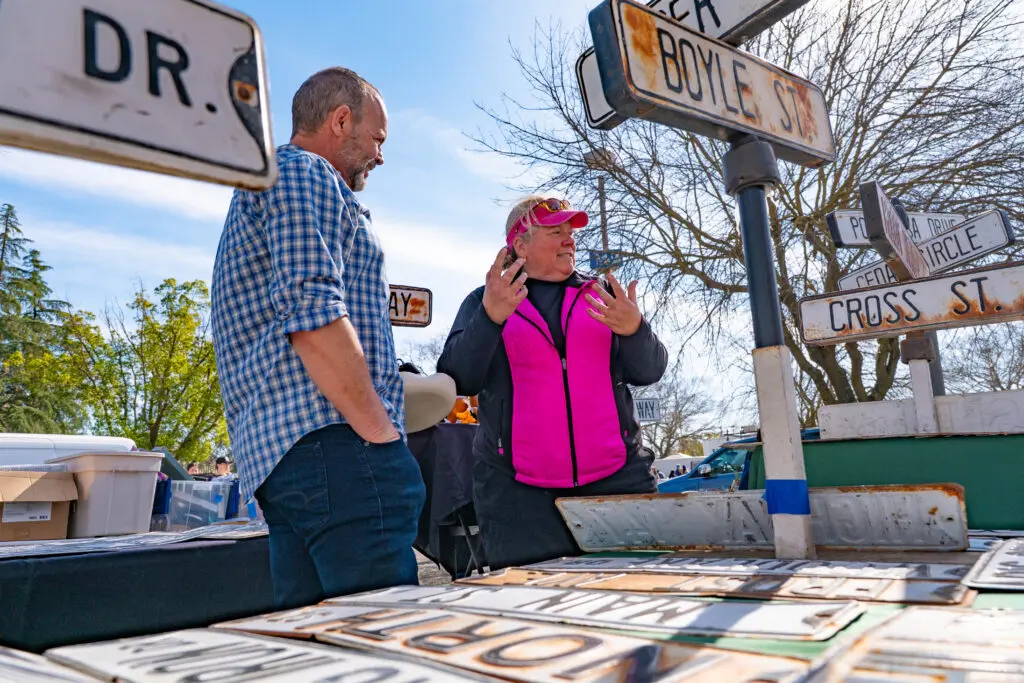
Many of her pieces, including pressed steel signs from the 1920s through the 1940s, were sourced through long-term relationships with other collectors. “I found a guy and he literally has had them for 50 years,” she said.
Despite operating within a commercial framework, Nord expresses a clear preference regarding her customers. “I like to sell to people that are going to use it, not resellers. I shouldn’t care, but I do. These things are stories.”
Rose’s attentiveness to her vendors is genuine, a defining characteristic of her leadership. She knows every vendor by name, understands their specialties and maintains regular communication throughout the month. “They are truly family,” she said. “They are so loyal, and I am devoted to them. This isn’t just transactional business; it’s a collaborative community.”
Rose’s son Nicholas was in sixth grade when the fair began and now lives in New York City. He said his mother’s approach has defined the event’s success. “I think it stems from the fact that she deeply cares about the vendors and the customers,” he explained. “It’s always vendors first.”
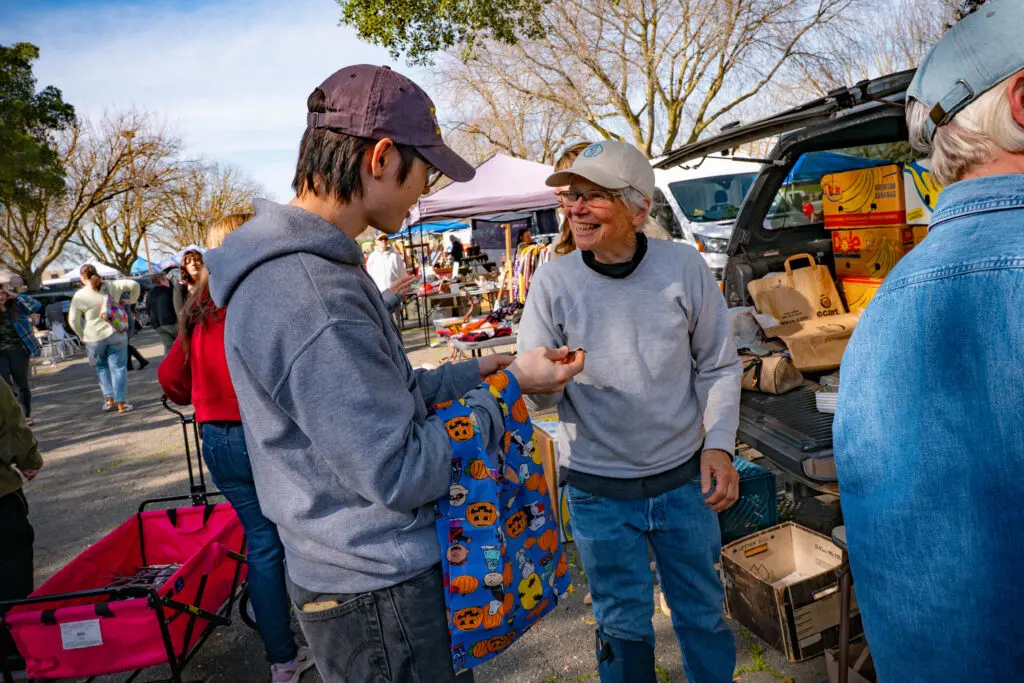
Marketplace built on human connection
From its inception, the Sacramento Antique Faire was never intended to be a conventional retail event. Rose envisioned a gathering place where buying and selling would be inseparable from conversation, education and relationship-building. That philosophy has guided every decision she has made since the earliest days, shaping the tone of the marketplace and the loyalty of those who participate in it.
Perhaps the most compelling evidence of the fair’s impact can be found in the voices of its shoppers, whose experiences collectively illustrate why the event continues to thrive in an era increasingly dominated by digital marketplaces.
For first-time attendee Olivia Hollingsworth, the appeal came with the thrill of immediate discovery. Moving quickly through the aisles, she listed her finds with pure joy. “I found this nice jacket, I got a shirt, and then my real hunt, this rug. This is such a good deal. It was priced at 40, I got it for 30, but I feel like these go for like 100 plus.”
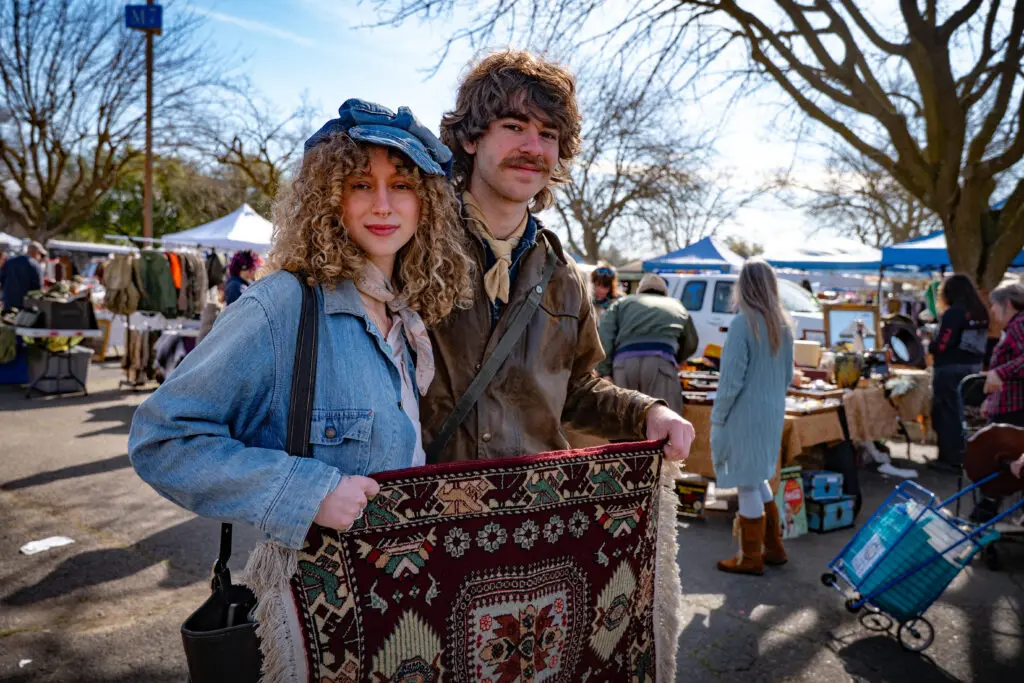
Buying something is inevitable
Her friend Tyrel Robertson came for the vintage clothes. He offers a practical observation that has become something of a shared joke among regular attendees. “Even if you plan on not buying something, it’s going to happen. It’s just inevitable.”
For Sacramento resident Alexis Olivarez, repeated visits have transformed the fair into a personal ritual. “It’s probably like my 10th time,” she said, holding her collection of purchases in her arms and pulling the rest in a wagon. “I racked up. I got a table, chairs, vintage Valentine’s cards from the 1940s, a suitcase, and a frame,” she said. “I got one of these little suitcases for my future baby. When he goes to his grandma,” she says, suggesting that objects found here often become embedded in family histories.
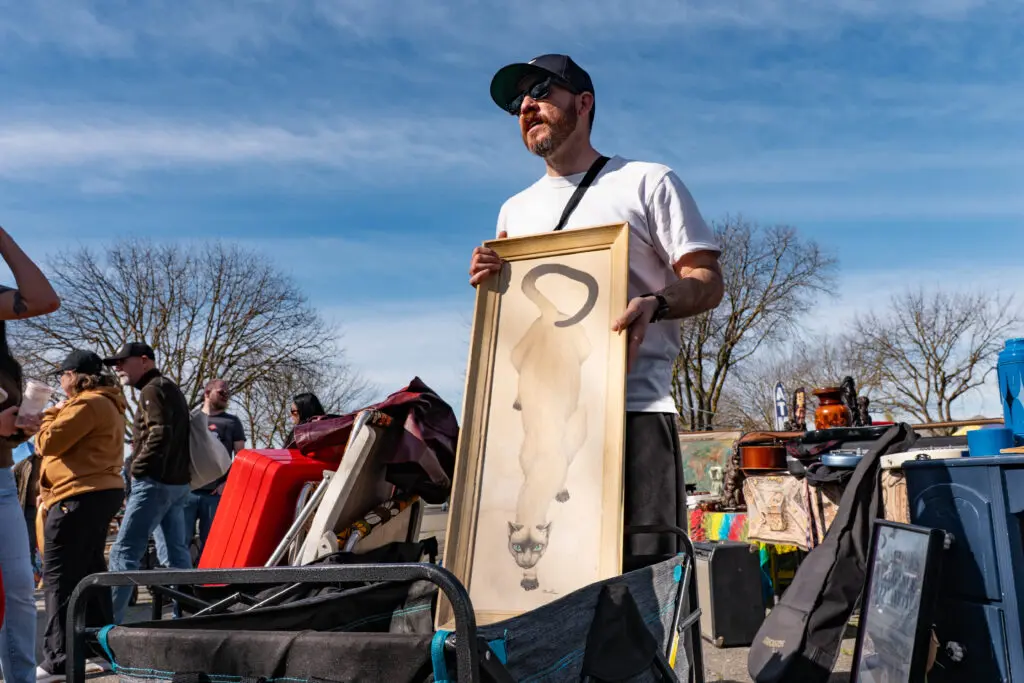
Even former vendors remain drawn to the event. Jose Avila, who sold at the fair years ago, now attends primarily as a shopper. “I love it,” he says. “It’s super cool to see all the random knickknacks and clothes. Check out this vintage cat painting, I paid 10 bucks. That’s my best deal.”
Rose never planned to build one of the region’s most beloved monthly traditions. She simply gave herself three months and trusted her instincts. More than two decades later, that leap of faith has grown into a community where vendors feel like family, shoppers feel like regulars, and history finds new homes every single month.
A reminder that a fork in the road can lead to a lifetime of joy.
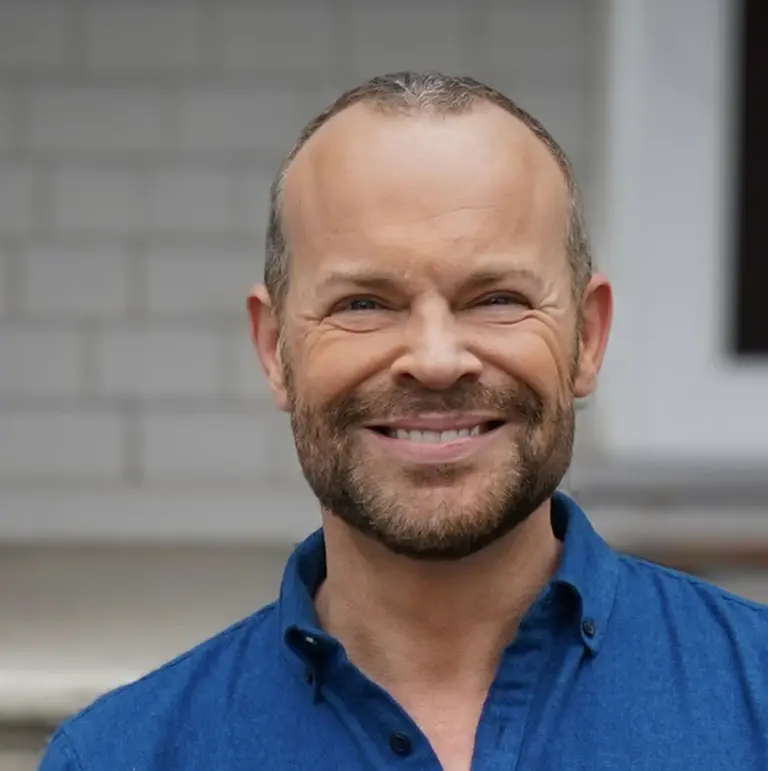
Rob Stewart is an executive producer with PBS KVIE and reports for Abridged.