
The Abridged version:
- Acorn Ridge Casino in Amador County is the most recent entrant into an expanding tribal casino market in the Sacramento region. California approved casino gambling in 1988, and a dozen are within 100 miles of Sacramento.
- Innovation and enhanced amenities are key for tribal casinos to stay competitive. “The era of resting on laurels is over,” said one analyst.
- Tribes tout the statewide economic impact of gambling operations and adjacent enterprises, such as hotels: More than $25 billion to the state economy, 112,500 jobs and more than $3 billion in federal, state and local tax revenue in 2021.
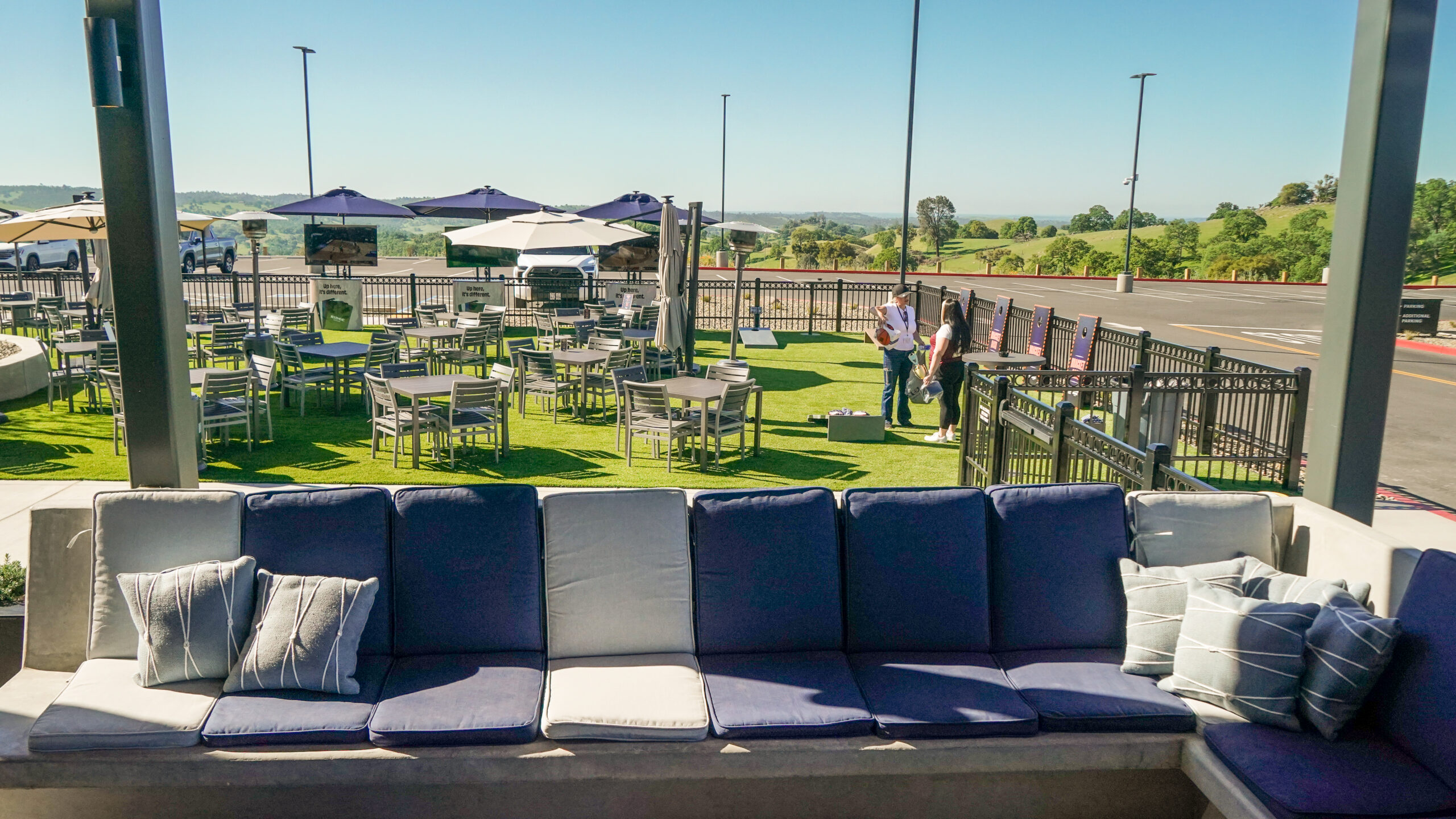
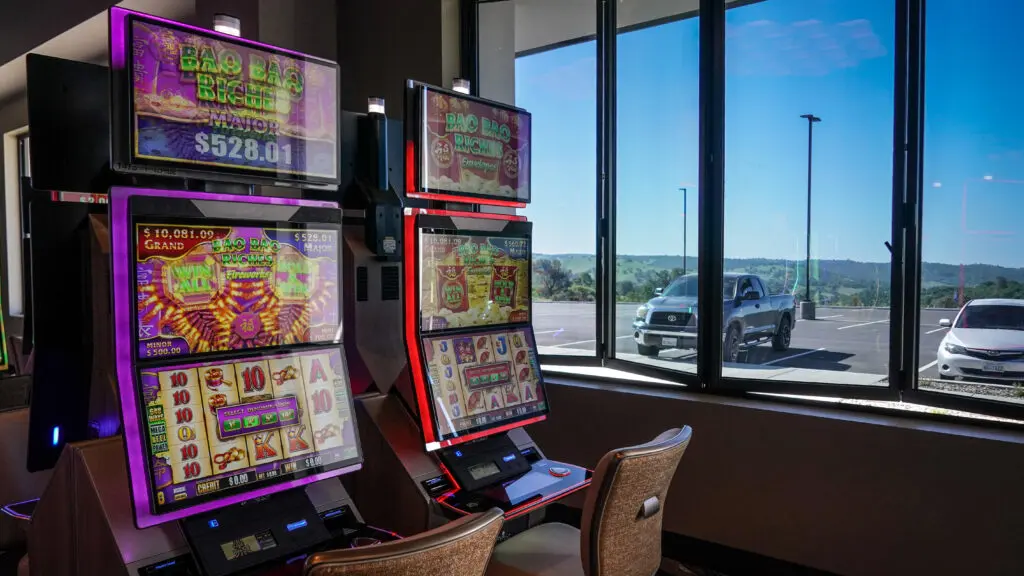
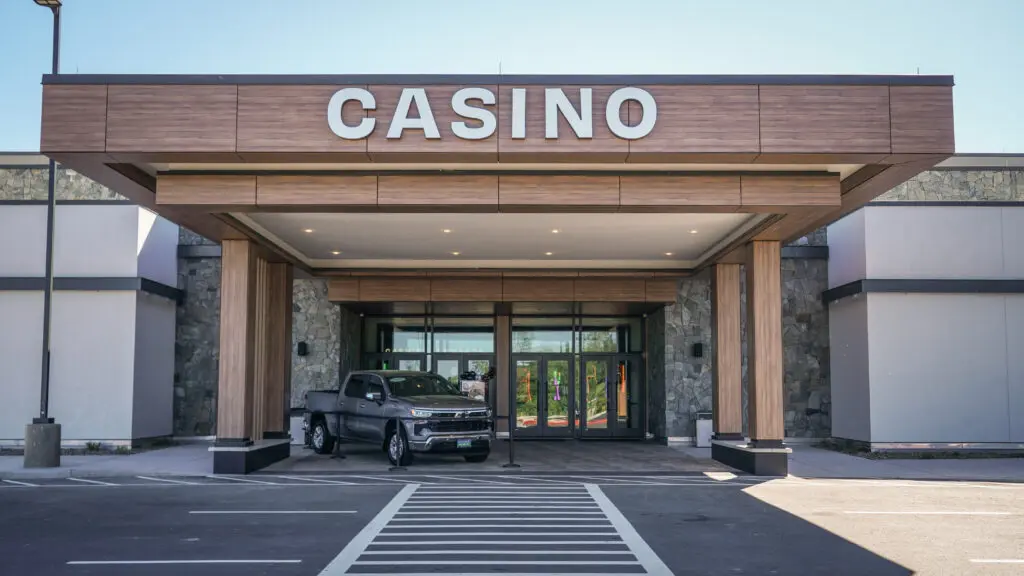
Acorn Ridge Casino opened last month, set on a hilltop in Plymouth overlooking the Gold Country hills. Along with 484 slot machines and 12 gambling tables, Acorn Ridge is selling a connection to the outdoors with its dramatic views over the foothills and fresh air at its indoor/outdoor bar.
That connection is what its leaders say will set it apart from the competition. It’s the 12th tribal casino to open within 100 miles of Sacramento, including two competitors also in Amador County.
Click on each die for more casino information. (Jamie Judd)
Demand for gambling remains strong
Even with strong competition, the casino is likely to pay off for the Ione Band of Miwok Indians and its operational partner, Warner Gaming.
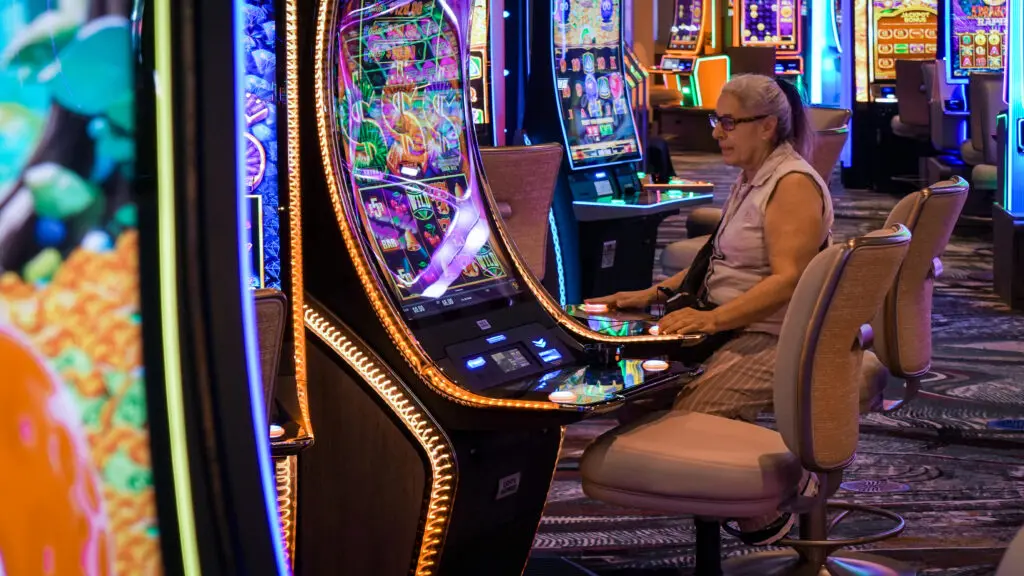
Studies show that demand for gambling remains strong, whether it’s in Las Vegas or at tribal casinos in the Sacramento region. Tribal operations saw a record $43.9 billion in gross revenue across the country in 2024, the most recent year with available data from the National Indian Gaming Association.
Sign Up for the Morning Newsletter
The Abridged morning newsletter lands in your inbox every weekday morning with the latest news from the Sacramento region.
The NIGA region that includes all of California and Nevada lists 86 tribal gambling operations and is the highest-grossing with $12.1 billion in revenue in 2024. More specific revenue numbers for casinos in the immediate area are not publicly available.
Casinos remain tribes’ best economic tool
By opening a casino, the Ione Band is the latest to use the best tool tribes have to generate money and support their members. Tribes are sovereign nations but lack the power to levy taxes. Before expanded Indian gaming was legalized in 1988, tribes relied on agriculture, natural resources extraction like mining and timber harvesting, tax-free smoke shops and federal funding for support.
Historically, tribal communities have faced some of the highest rates of poverty and unemployment in the country. Gambling has the highest rate of return of any economic activity tribes could undertake, and slot machines are generally the most profitable offerings for casinos, said Patrice H. Kunesh, a visiting law professor at the University of New Mexico who focuses on economic development in Native communities.
Regulation, lawsuits among casino challenges
And like the tribes that have gone before it, the Ione Band of Miwok Indians prevailed through decades of planning, federal and state regulatory hurdles, and litigation from opponents. By the time they open, most tribes have faced challenges from antigambling groups or local residents challenging everything from the legitimacy of their tribes to public safety, traffic and environmental impacts of their operations.
It’s been an expensive undertaking, tribal chair Sara A. Dutschke said. Ultimately, the casino’s success will pay for education, housing, health care and cultural programming for the band’s nearly 800 members, most of whom live nearby.
“This,” Dutschke said, “is the most powerful exercise of our sovereignty.”
Disputes don’t end when the doors open. At Sky River Casino, which opened in Elk Grove in 2022, workers have been picketing and demanding the casino recognize an agreement with the labor union UniteHere to represent them.
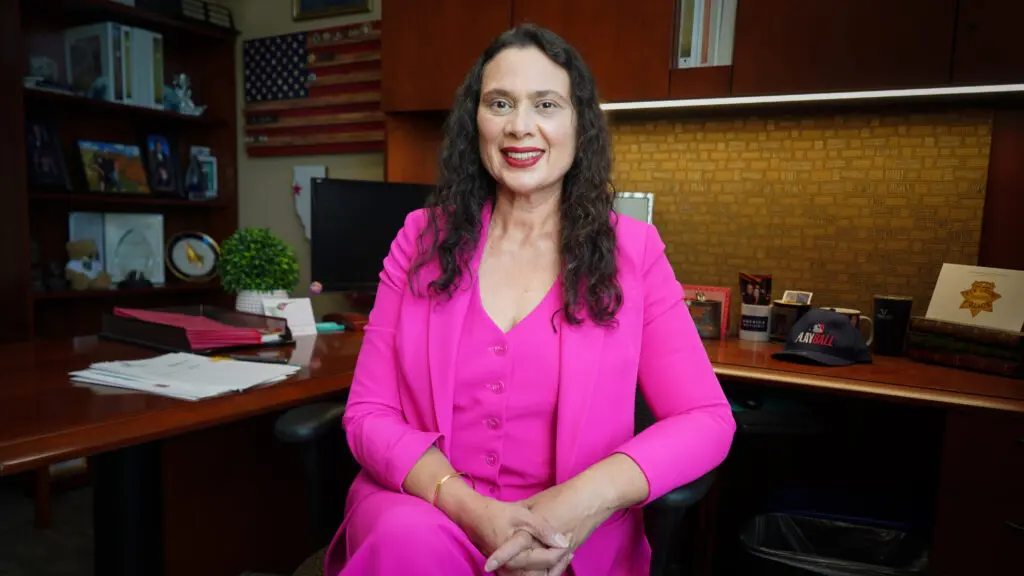
Elk Grove Mayor Bobbie Singh-Allen said the city has a constructive relationship with the Wilton Rancheria, which operates Sky River. The tribe employs 1,600 people and helps fund local services and nonprofits. Casino-related crime hasn’t been significant.
“When we’ve looked at activity levels, they are consistent with what we would expect from other large retail or entertainment destinations that attract a high volume of visitors,” she said.
Problem gamblers mostly online
Singh-Allen’s view is consistent with what other communities experience. Although tribal casinos will always face some opposition, it has softened in the decades since it first became legal in California as casinos create jobs and weave themselves into their communities, said Timothy Fong, co-director of the Gambling Studies Program at the University of California, Los Angeles.
Tribes also support programs like the California Office of Problem Gambling+ and embrace requirements that they identify and offer resources to problem gamblers who visit their casinos, Fong said. About 4% of Californians have a gambling addiction.
In his own psychiatry practice focused on addiction, Fong said nearly all of his new patients have problems with online gaming, not casinos.
“A lot of the patients I see have never set foot in a brick and mortar casino,” he said.
Tribes innovate to stay competitive
Launching a casino project is not something tribes do lightly, said Doug Elmets, a spokesperson for multiple California tribes and tribal organizations. As gambling has matured over the past few decades, tribes recognize they need to focus on improving amenities and customer experience rather than counting solely on gambling alone to draw people in.
“The era of resting on laurels is over,” he said.
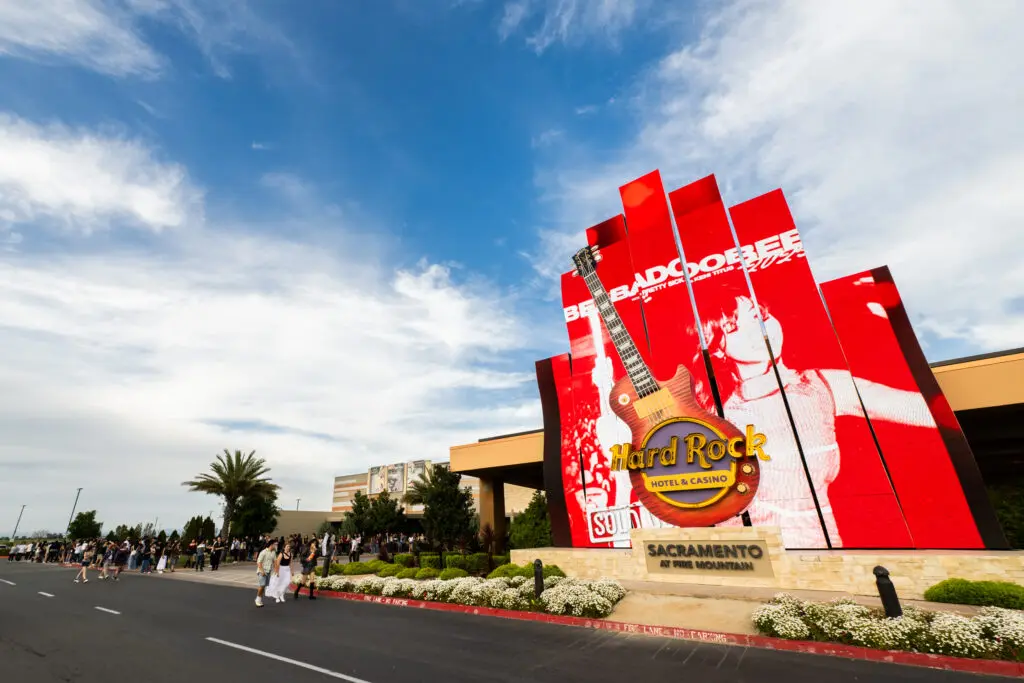
Jackson Rancheria, only 20 minutes by car from Acorn Ridge, expanded its recreational vehicle park this year. Red Hawk Casino, in Placerville, has an entertainment complex with go-kart racing, bowling, golf simulators and an arcade with games and rides fit for a kid’s birthday party. Thunder Valley, in Lincoln, has a $100 million concert venue. Sky River Casino just announced it is expanding its casino floor, and will add a hotel, spa, entertainment venue, and other amenities in 2027.
Casinos not for every tribe
Not all of California’s 109 registered tribes are in a position to open a casino, and not all that do so are successful.
Tribal casinos must be located on tribal land, or on land that tribes purchase if they can demonstrate a connection to it. Purchasing land, as the Ione Band did, requires money, the ability to demonstrate a connection and then win federal approval to place the land in a trust. Many tribes are in remote locations that wouldn’t attract enough customers and don’t have strong enough connections to land elsewhere or the money to buy it.
The Mechoopda Casino, south of Chico, closed in February 2025 after one year in a temporary, 42,000-square-foot tent structure with 475 slot machines despite more than 20 years of planning and intent to build a permanent structure. Tribal leaders said they hope to reopen at some point. The casino faced competition from two other tribal operations in Butte County.
Sports betting, prediction markets also a threat
Other tribal casinos aren’t the only threat. California’s tribes have so far managed to beat back attempts to legalize online sports betting, but other states allow it. And a new type of gambling — prediction markets — gets around limitations on betting by offering contracts tied to the outcome of events like sports, elections or even the Oscar for best picture.
The boom in online sports betting and rise of prediction markets pose an existential threat to tribal gambling, sovereignty and economic well-being, Kunesh said in a January paper from the Brookings Institution, an independent think tank.
“Prediction markets are really intruding on states’ rights to regulate gaming,” she said. They also make the future of brick-and-mortar gambling uncertain, and that’s what California tribes offer.
This week, U.S. Sen. Adam Schiff, a California Democrat, introduced a bill to ban prediction market sports betting.
Tribes tout economic impact
Tribes are quick to point out the economic benefits they bring. Statewide tribal spending contributed more than $25 billion to the state economy and supported 112,500 jobs that provided $7.6 billion in labor income, and generated more than $3 billion in federal, state and local tax revenue in 2021, according to a 2024 report from the California Nations Indian Gaming Association. Those figures include direct operations and indirect impacts from businesses like nontribal hotels and restaurants near tribal casinos. Economic impact has doubled in the past 10 years as tribal gambling and nongambling operations have grown, according to the report.
One of the impacts is tied to tribal compacts with the state, through which tribes with gambling agree to place some of their revenue into a trust fund that is shared with those that don’t operate casinos or have fewer than 350 gambling machines. They often also have agreements with local governments to share revenue in lieu of sales tax not being charged on their lands, subsidize public safety services and contribute to infrastructure costs like roads and lighting.
Acorn Ridge decades in the making
The Ione Band decided more than 20 years ago to pursue a casino and has been analyzing its options all along the way. “We knew we would conduct gaming there, but we didn’t know what that would look like,” Dutschke said.
Although the 2020 compact the tribe has with the state allows it to have up to 1,200 slot machines, the tribe and Warner Gaming sized the casino based on market demand.
“We are in a competitive market,” Dutschke said. “We focused on producing something that’s missing in the market.”
As long as tribes have the right mix of location, atmosphere and amenities, their casinos are likely to succeed, Kunesh said.
“If there’s a nice venue that’s attractive and welcoming, with amenities the community is looking for, people will come out,” she said.
Laura Mahoney is a regular contributor, writing Dollars and Sense for Abridged.