
The Abridged version:
- At a time when California’s wine trade is struggling, chenin blanc stands out for its growing accessibility and buzz.
- Chenin blanc, a longtime Delta grape, is seeing a resurgence in popularity among winemakers both new and experienced.
- Styles range from the highly fruity, ideal for sipping on their own, to complex and zesty interpretations best accompanied by a wide range of foods.
Few rays of sunshine penetrate today’s dark California wine scene, bleak with sluggish sales, closed wineries and abandoned vineyards. But against that dark backdrop, one bright beam is lighting up Sacramento’s backyard: the green grape and white wine chenin blanc.
Chenin blanc is seeing an uptick in popularity and esteem among farmers, vintners and consumers alike. And by an accident of geography, Sacramento is poised to take advantage of that bump. The city is the gateway to the Sacramento-San Joaquin Delta, where an archipelago of vineyards planted to chenin blanc stretches west and south from Clarksburg to Suisun Bay.
What’s more, chenin blanc’s most appealing season — summer, whose torrid heat and breezy cuisine calls for a white wine lean, dry, fruity and crisp — is drawing near.
Sign Up for the City of Treats Newsletter
Get the latest Sacramento food news from Benjy Egel in City of Treats — delivered every Tuesday.
A long, if unheralded, history of California chenin blanc
Chenin blanc has a global history and standing, most notably in France’s Loire Valley, where it’s responsible for the deep and elegant wines of Vouvray. California has also used chenin blanc for generations, but its identity long got lost in cheap jug blends that went by fanciful names, not grape variety.
California chenin blanc surged briefly in popularity in the 1950s thanks to the introduction of cold fermentation in stainless-steel tanks, which preserved the grape’s radiant fruit. But the wines were sweet, just as consumers were turning to dry styles with little or no residual sugar.
Chenin blanc continues to occupy a small niche in the wine world, but use of the grape is growing. A decade ago, 3,557 acres were planted to chenin blanc in California. Today, the total is up to 4,091 acres — not a big leap, but notable in an era when wine grape acreage in the state is declining.
Chardonnay remains the grande dame of the California white wine trade, covering 83,262 acres. In contrast to chardonnay’s customarily weighty and robust delivery, chenin blanc tends to be more demure, yet frisky.
“There is a new willingness to step outside the usual suspects in white wine,” said Tim Bell, director of winemaking at Dry Creek Vineyard in Healdsburg.
How — and why — Delta chenin blanc shines
Of California regions where chenin blanc is cultivated, none is more respected and in demand than the Delta. Delta growers cultivate about 1,500 acres of chenin blanc, often simply designated as “Clarksburg” on labels.
The chenin blanc style most closely identified with the Delta highlights the ripe and shimmering fruit linked with California sunshine. It’s shot through with apple, melon, quince, peach and pear, all backed with zesty acidity, making it a versatile companion with a wide range of dishes.
The Delta provides an ideal setting for chenin blanc, Bogle Family Vineyards president and vineyard director Warren Bogle said. Its rich, loamy alluvial soils, paired with cool nights, result in wines with lush sunny fruit and pitched acidity.
Clarksburg-grown chenin blancs won the varietal category at two of the last three San Francisco Chronicle Wine Competitions. And four years ago, a Clarksburg chenin blanc was voted best overall white wine at the California State Fair. It was released under the label Fellow Wines, one of several brands owned by twins David and Phil Ogilvie and their pal Tom Merwin of Silt Wine Co.
Silt, incidentally, was just named the California State Fair’s Winery of the Year. One reason: its driving and lifting 2025 Clarksburg Wilson Vineyard Utter Ranch chenin blanc, which won gold at the competition.
Bogle returns to its roots
This spring, Clarksburg’s most prominent winery recommitted itself to chenin blanc. Bogle announced a national rollout of the wine after several years of limiting distribution to its tasting room and export markets.
Bogle entered the wine trade in 1968 by planting 10 acres each of chenin blanc and petite sirah. Both were early flagship wines when the family established its winery in 1978, but got eclipsed as consumer tastes turned more to cabernet sauvignon and chardonnay.
Now the Bogles see consumer tastes shifting again, turning to light, bright, sharp and aromatic white wines. Warren Bogle tends 45 acres of the variety and just planted an additional 30.
Younger consumers especially are keen on wines with lower alcohol, and the less costly the better, noted Jody Bogle, the winery’s vice president of consumer relations.
“People definitely are looking for wines that have a bright style, with a little lower alcohol,” she said. Bogle’s newly released 2025 chenin blanc fits that bill, with 11.5% ABV and a suggested retail price of $11.
A blank canvas to be painted
Chenin blanc’s rising esteem is drawing an expanding community of adventurous winemakers throughout Northern California. Many relish the wine’s transparency: it easily represents the location and time of year from which the grapes were harvested.
As a consequence, Clarksburg chenin blanc is popping up on labels rarely identified with the variety, if ever. One is Ridge Vineyards in the Santa Cruz Mountains, an enduring and highly regarded brand usually associated with legendary cabernet sauvignons and zinfandels.
Ridge winemaker Shauna Rosenblum developed a fondness for Clarksburg chenin blanc under her earlier brand Rock Wall Wine Co., where she used the fruit for a sparkling wine. Now she uses chenin blanc from Heringer Vineyards at Clarksburg to turn out a focused, satiny and delicately sweet take on the variety.
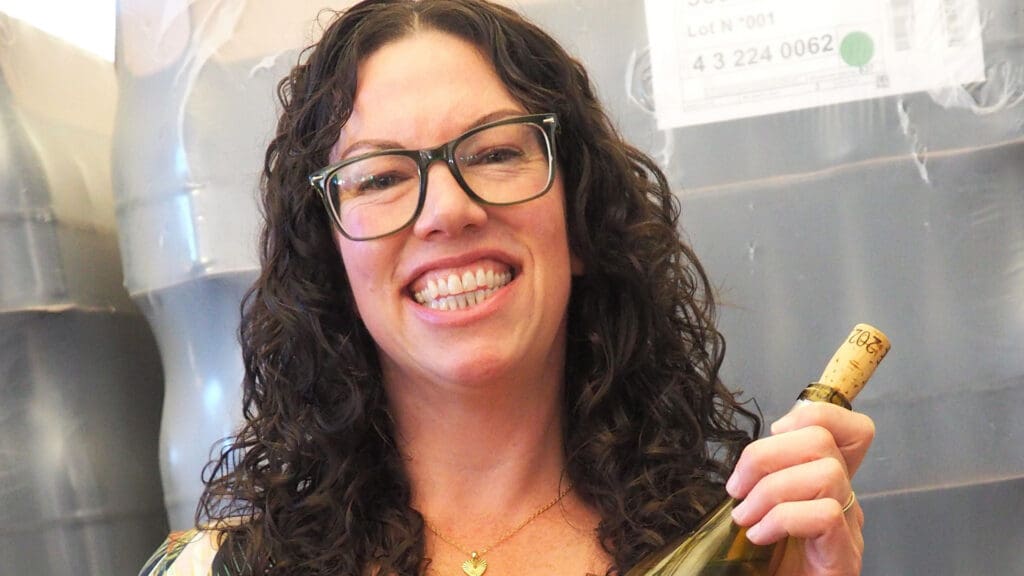
She is one of several winemakers who sees chenin blanc as a fresh, clean canvas on which to add flourishes of individuality and amplification. Those winemakers frequently bring artful and daring practices to making chenin blanc, often relying on native yeasts for fermentation, exposing juice to skin contact, and moving the developing wine through vessels other than the customary stainless steel, such as clay amphora and large casks of wood other than oak.
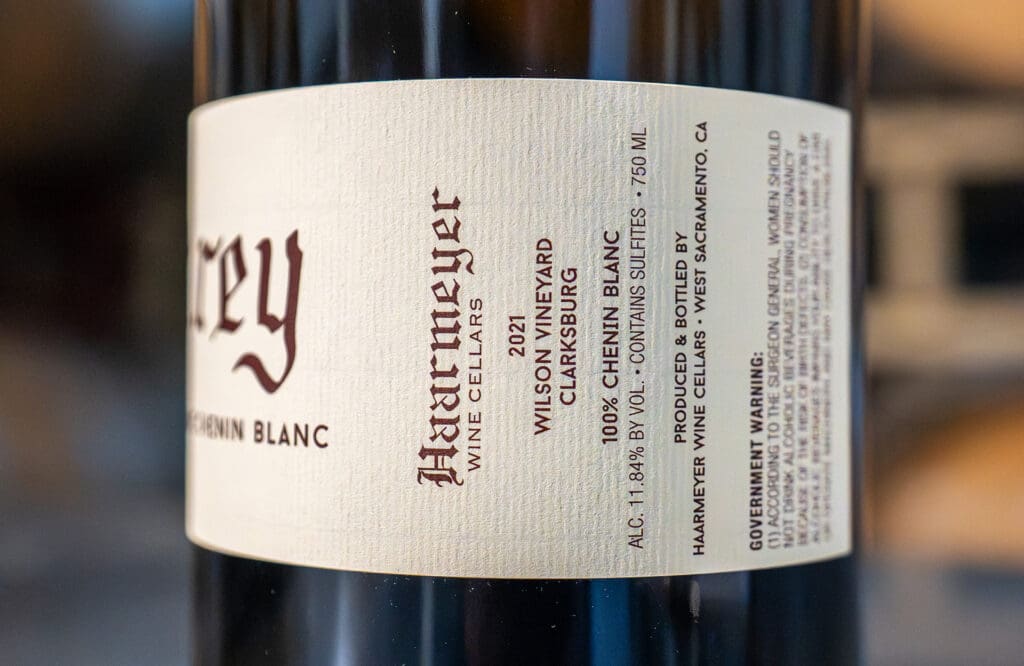
Craig Haarmeyer of Haarmeyer Wine Cellars in West Sacramento is at the forefront of chenin blancs of originality and character. In any given vintage, he is apt to draw grapes from nine chenin blanc vineyards scattered from the Delta to the Sierra foothills.
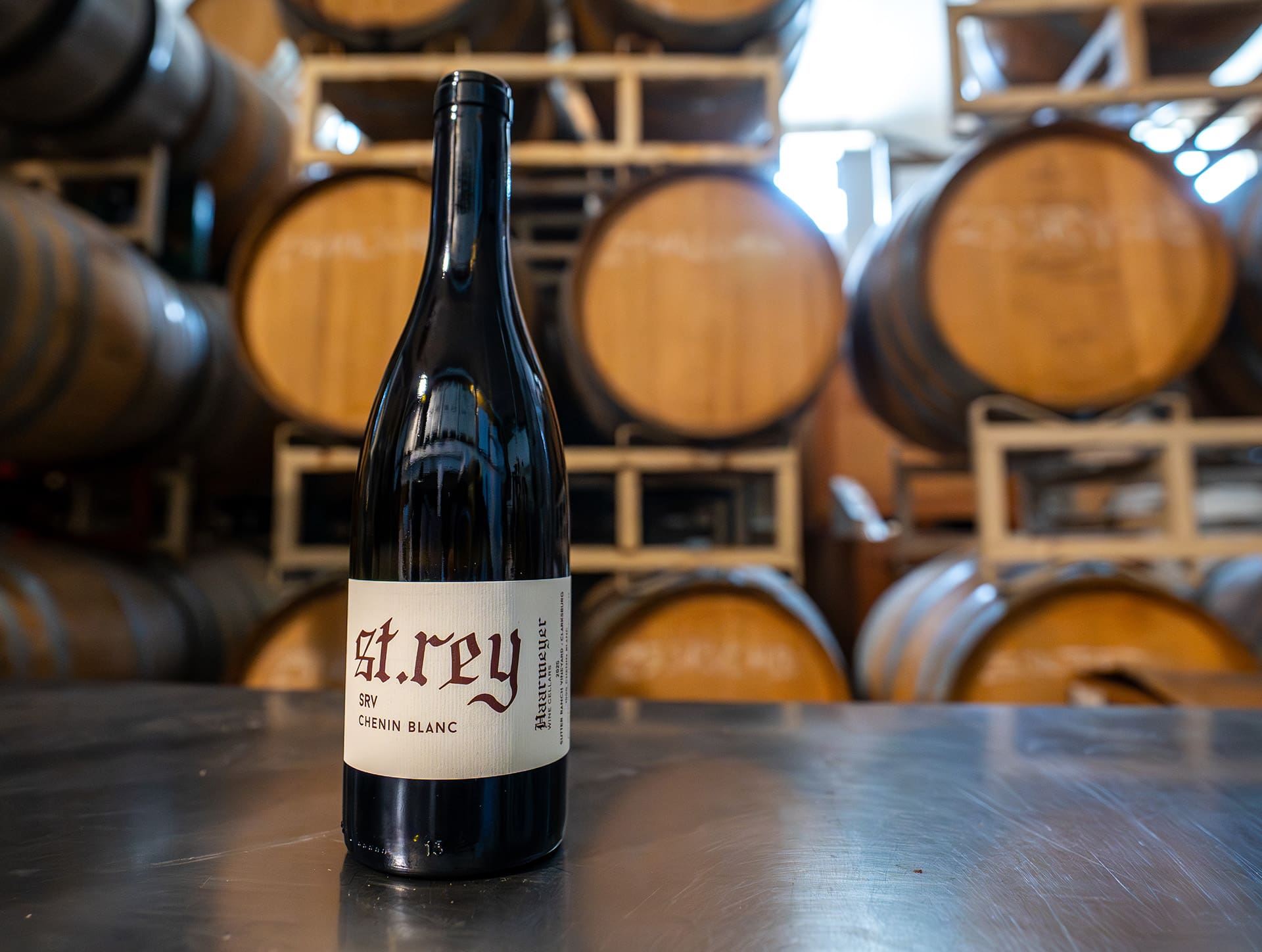
His success in broadening the aesthetic attributes of chenin blanc — expanding the flavor palate, bolstering mouthfeel, intensifying complexity and showing how gracefully and dramatically the wine can age — is encouraging other local winemakers to take advantage of the grape with spunk and imagination.
Others looking to Delta chenin blanc for statements of authority and individuality include Kevin Luther of Lucid Winery (Downtown Sacramento), Aaron Bryan of Divergent Vine (Somerset), Adam Saake of Perch Wine Co. (Lodi), Chris Walsh of The End of Nowhere (Amador City), and Andy Gaudy of Country Roads Wine Cellars (Clarksburg).
Foothill chenin blanc surges as well
Chenin blanc also is seeing a resurgence in the Sierra foothills east of Sacramento. Wineries such as Plaid Aura (Plymouth), Sandlands (Napa and Lodi) and Forlorn Hope (Murphys) are gathering grapes for their interpretations of chenin blanc, which tend to be more angular and mineral-driven than takes from the Delta’s richer soils.
In 2018, Bumgarner Winery acquired a small Fair Play chenin blanc vineyard that had originally been planted in 1978, then abandoned. Owner Brian Bumgarner brought it back online for a fragrant, plush and peachy rendition of the variety, now available at the Midtown Farmers Market in Sacramento.
Winemakers concur that chenin blanc is most at home at the table with seafood, starting with oysters. For seven straight years, Dry Creek Vineyard’s Clarksburg chenin blanc finished in the Top 10 wines of the Pacific Coast Oyster Wine Competition, which customarily drew around 200 entries thought to pair ideally with raw oysters.
Bell agreed that oysters are the first choice to pair with chenin blanc, but said he was recently delighted when the wine was poured with scallops. Other winemakers point out that chenin blanc is routinely rewarding when served with mildly spicy Thai noodle dishes, petrale sole fried in olive oil, coconut curry, mild hard cheeses, grilled salmon, roast chicken or even a tuna sandwich.
Often, chenin blanc’s ample fruit, pert acidity and nuanced sweetness make it fitting for drinking alone on patios or decks. It’s drinkable year-round, but its true season has come.
Mike Dunne is a longtime Sacramento-area food and wine writer. He is the author of “The Signature Wines of Superior California,” published in 2023.