

The Abridged version:
- Davis is facing a structural deficit in its general fund and declining reserves.
- At a presentation to City Council on Tuesday, staff identified low development impact fees and lagging cannabis tax revenues as contributing factors.
- More discussions will be happening in May and June as the city develops this year’s budget.
Budget discussions in Davis are set to be difficult again this year.
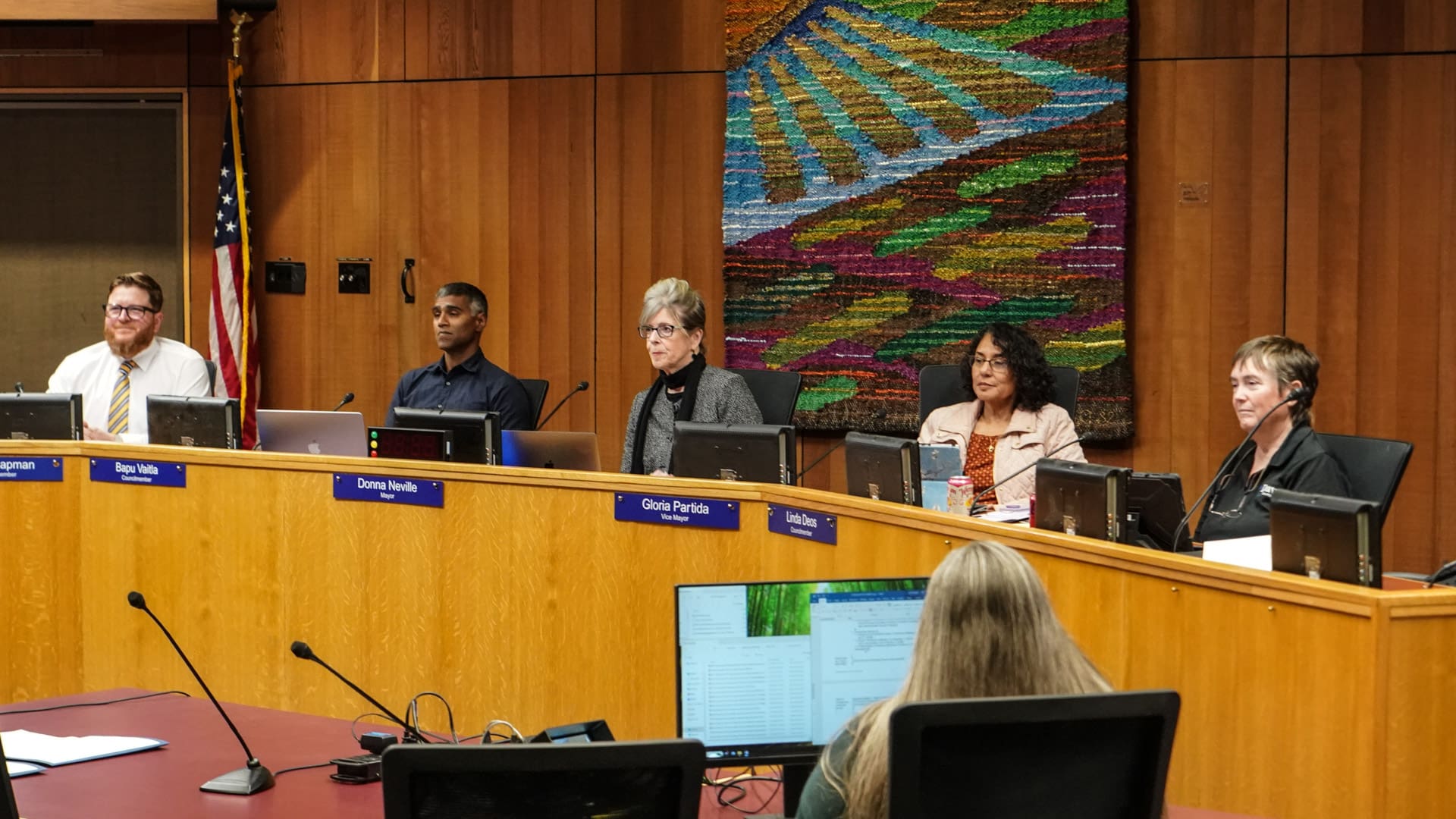
During a presentation to the City Council on Tuesday, staff outlined a fiscal shortfall that has forced the city to dip even further into its general fund reserves. Citing expenses that have rolled over from last year and costs related to capital projects, staff reported that the reserve has dropped to 8.9% of spending, well below the recommended 15% that is laid out in city policy.
“There’s not a lot of good news here, but this is where we are,” said Mayor Donna Neville.
The declining reserve is one indicator of the city’s continued fiscal challenges, including a structural deficit in the general fund. In fiscal year 2025-2026’s approved budget, that translated to a nearly $3 million gap between revenue and expenditures.
Sign Up for the Yolo County Newsletter
Stay in-the-know on all things Yolo! Weekly email with stories and insights from Yolo County reporter Daniel Hennessy.
Ongoing problems
The intensifying budget challenges can be attributed to a handful of problems, some of which were laid out in the city’s 2025-2027, two-year budget document. Increased construction costs for infrastructure projects, lagging development, tariffs and labor dynamics have chipped away at the general fund over time.
Although this fiscal year’s budget is in development and not yet finalized, many of the same problems will roll over from last year.
“The general fund is operating at a structural deficit, which staff is working to address,” said Finance Director Alberto Preciado.
In the staff report for Tuesday’s meeting, lagging development impact fees and low returns from the city’s cannabis tax were highlighted as ongoing concerns.
Impact fees, which have only brought in a quarter of budgeted revenue, are collected when development projects break ground and connect to public infrastructure. Staff noted that, similar to issues with the city’s construction tax, “a number of ready-to-start projects continue to be delayed because of high interest rates, increasing construction costs, the general economic outlook and, currently, the impact from imposed tariffs.”
Village Farms, which is headed to the ballot in June, would incur impact fees if voters pass it, though city staff said it likely wouldn’t have an immediate effect on this year’s budget.
Cannabis shortfall
The city’s cannabis tax, which is collected from licensed dispensaries, continues to lag behind expected revenue.
“Once again, revenues are falling short of expectations,” the staff report said, citing a roughly $500,000 shortfall.
Although that tracks a statewide trend, Davis’s cannabis businesses have faced increased competition from other local cities like Woodland and Dixon.
“Their gain is our loss,” Preciado said.
As a result, one of the city’s dispensaries has shuttered in the last year, leaving one fewer business from which to receive tax revenue. According to city policy, Davis can have up to five dispensaries in town, so the closure means that the council could choose to award another license.
In response, councilmembers requested an analysis of city policies related to cannabis.
“What has gone right in other cities?” said Councilmember Bapu Vaitla. “That’s a rather large gap.”
‘Sobering’ forecast
As the council discusses options for lowering expenses and raising revenues, it will be contending with what Neville referred to as a “really sobering” financial forecast.
While Tuesday’s meeting was only informational, there were clear signs that difficult decisions will need to be made between now and June.
“You should be very concerned about the bullet points you just saw,” said former Davis Councilmember Dan Carson during public comment.
Regardless of how the city decides to balance the budget, the upcoming fiscal year could be painful.
“Significant cuts to programs and staff may be unavoidable,” the staff report stated.
Daniel Hennessy joins Abridged from the California Local News Fellowship. He’s a reporter covering Yolo County.