
The Abridged version:
- Today marks Abridged’s initial installment in a three-part look at the Sacramento region’s evolution as an urban farming community.
- Rancho Cordova’s Soil Born Farms started more than 25 years ago and is a leading authority on urban farming.
- Urban farmers show how growing food in a city can serve residents through improved food access, connection with the natural environment, cultural ties for immigrants and refugees, self-sufficiency, healthier diets and workforce training.
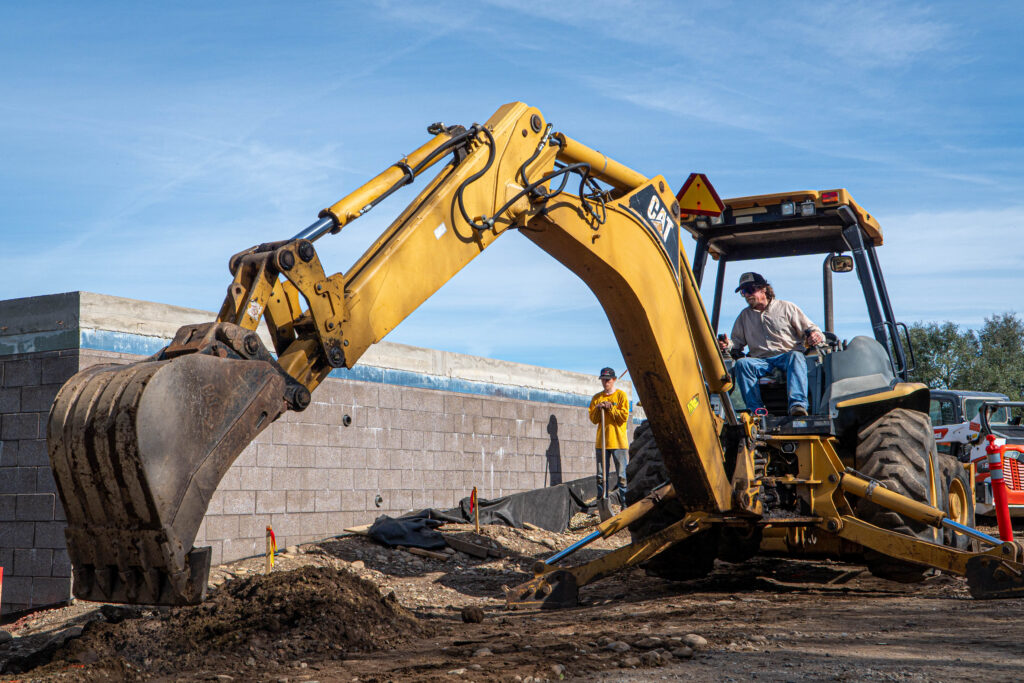
On a foggy, chilly morning in December, construction workers milled around as a front-end loader moved soil for construction.
One day, a Soil Born Farms animal barn pavilion will stand in its place along the American River Parkway in Rancho Cordova.
Once a damaged 55-acre plot, the farm’s co-founders saw its potential years ago to usher urban farming into the Sacramento area.
Now Soil Born is a leading authority in the region’s urban farming community. Its animal barn will expand its breadth and be run by students in nearby Cordova High School’s agriculture academy.
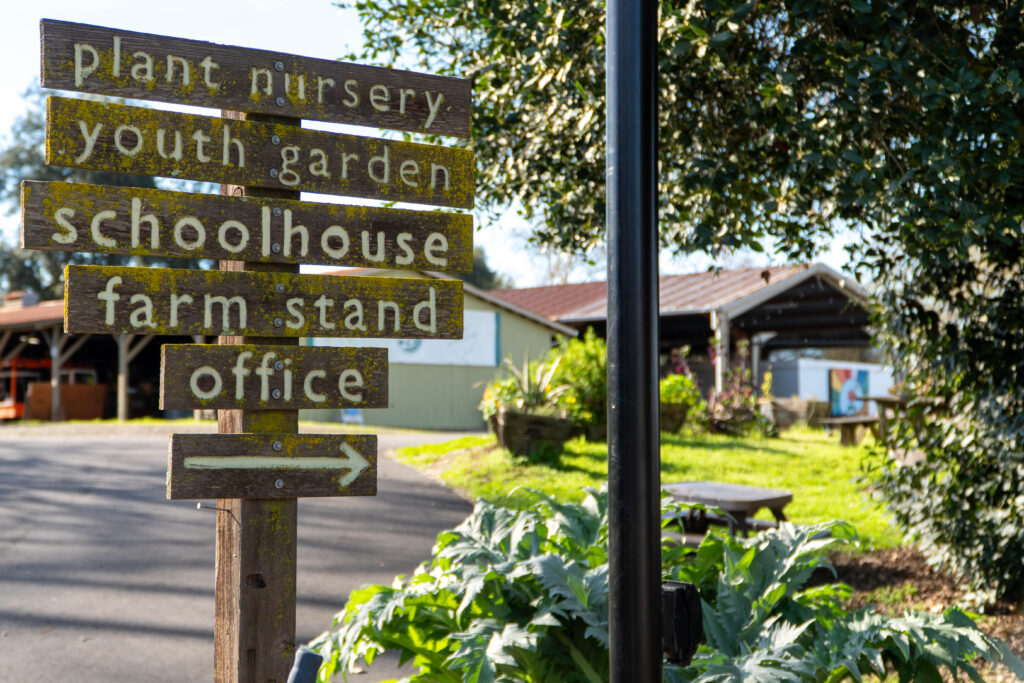
At a small house on Soil Born’s historic ranch property, an “Office” sign was posted on the wall.
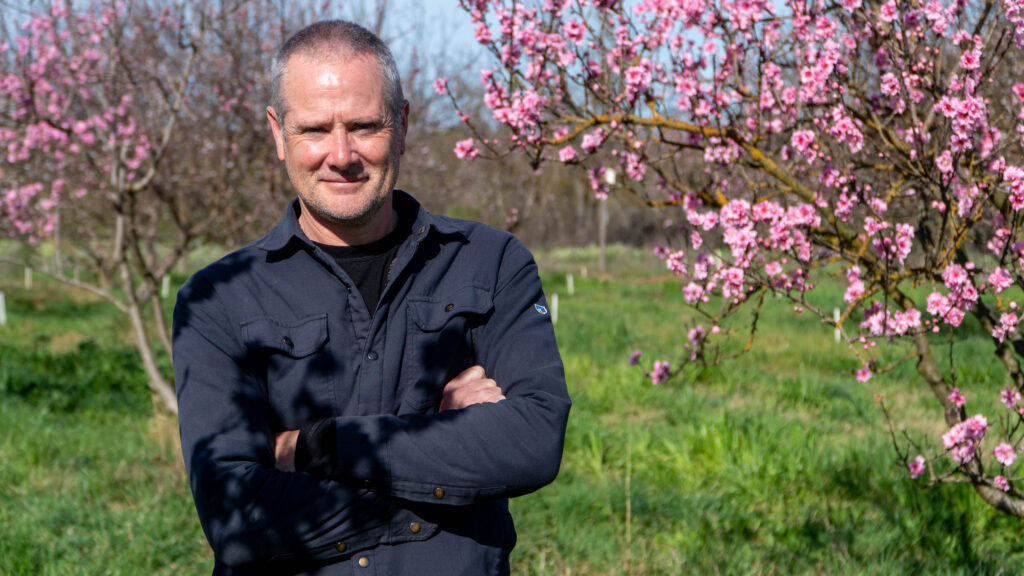
“Did you knock?” Shawn Harrison said, a smile on his face, opening the door. “No one knocks around here.”
Some days Harrison identifies as a nonprofit director, other times an organic farmer or a community developer.
“People ask, what do I do?” said Harrison, who is officially founder and co-director of Soil Born Farms. “I can never land on any specific answer to that question.”
25 years in, next chapter drafted
Soil Born celebrated its 25th anniversary last year. In the nonprofit’s next chapter, it aims to fully evolve into a world-class regenerative farm and education and demonstration center — the type of place Harrison wants to see in every city in America, like schools, churches and ballparks.
In the Sacramento region, Southeast Asian immigrants have long practiced urban farming informally. Other groups, like Soil Born, have joined the effort to advance the practice. These farmers, while still small in number, show how growing food in a city can serve residents through improved food access, connection with the natural environment, cultural ties for immigrants and refugees, self-sufficiency, healthier diets and workforce training.
The past two-plus decades have been filled with milestones as urban farming takes root — along with barriers, frustration and heartache.
Twenty-five years ago, the region hadn’t yet embraced sustainable food and agriculture as a primary asset. Today, the urban farming ecosystem has changed — and Soil Born along with it.
“We’re 180 degrees from where we were when we really started,” Harrison said. “The fact that it even exists at all, that kind of blows my mind.”
Sign Up for the Morning Newsletter
The Abridged morning newsletter lands in your inbox every weekday morning with the latest news from the Sacramento region.
‘Big believers in place’
Harrison has spent most of his life living and working within a 3-mile radius around the American River. He grew up in Rancho Cordova and Carmichael and enjoyed “all the normal boy things” in childhood, he said.
The American River was a defining part of that, the place where he would fish and swim and ride bikes along the trail, its riparian ecosystem speeding past in his side view. He desired to be a good steward of the Earth. He also dealt with health issues, which he traces to dietary habits within a family experiencing heart disease, obesity and diabetes. His career operates at this nexus of diet and health, the natural world and a deep sense of place.
“We’re big believers in place,” Harrison said, collectively speaking for both Soil Born co-founder Janet Whalen Zeller and himself. “It’s a defining belief set for me — make the places where you live and work better. Don’t move around so much. Make a connection. … If you put your roots down, you can certainly have a better chance of positively impacting your community.”
As a college student in the 1990s, Harrison hung around with friends who discussed burgeoning interests in sustainable agriculture, turning one of the most destructive human activities, farming, into something positive. He met a man named Marco Franciosa in 1997 when both completed ecological horticulture apprenticeships at UC Santa Cruz.
Soil Born effort began in 2000
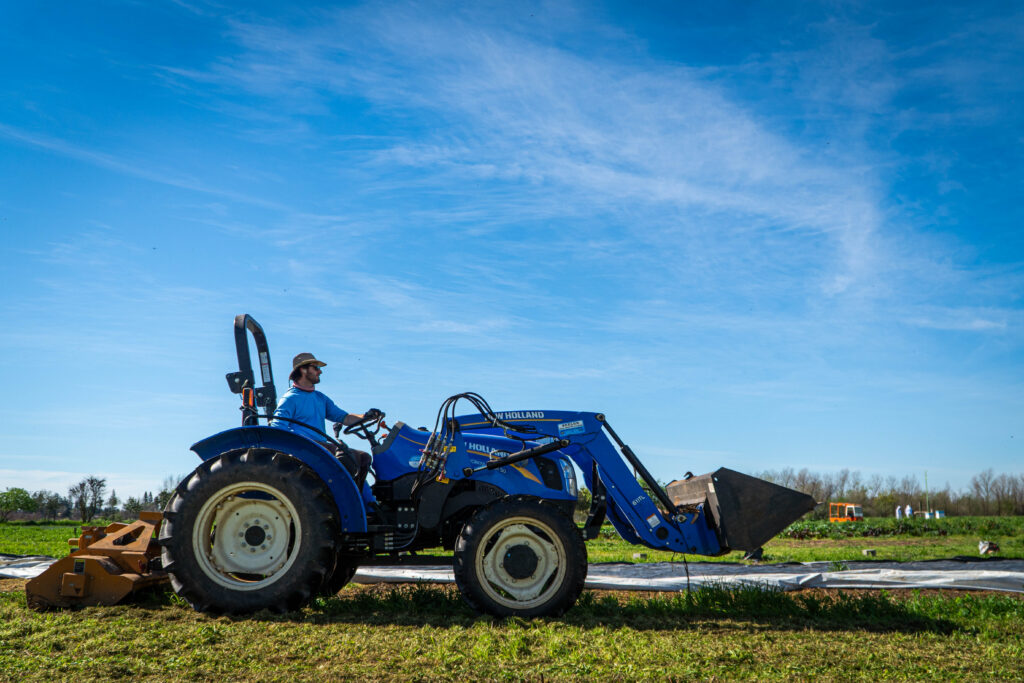
In 2000, they started Soil Born Farms as a for-profit business on Hurley Way in Arden Arcade, mainly growing certified-organic produce for local markets. They met Zeller in 2002 and became a nonprofit in 2004, adding education and food access programs.
The founders cradled the idea of a food system that supports health and well-being, with a connection between people and the natural world. They believed deep down that a farm in a city setting made sense.
After a four-year journey to secure a lease and move, programming at its current site along the American River started in 2008.
‘We’re not that far off’
The ranch is now permanently protected and closer to becoming a world-class regenerative farm and education/demonstration center for food, health and the environment, Harrison said. “We’re not that far off.”
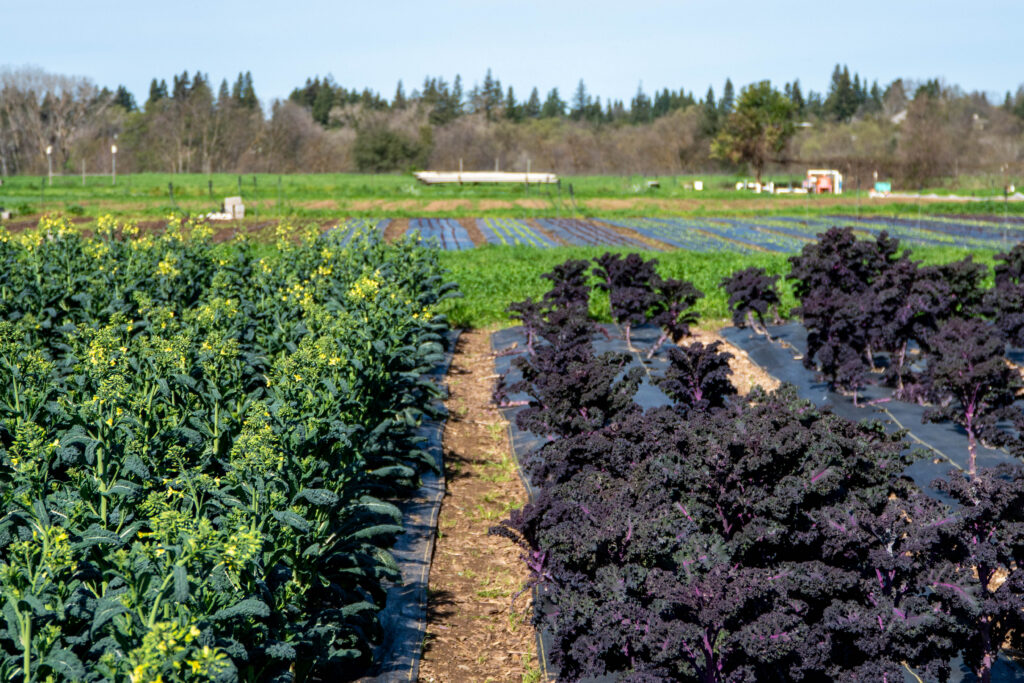
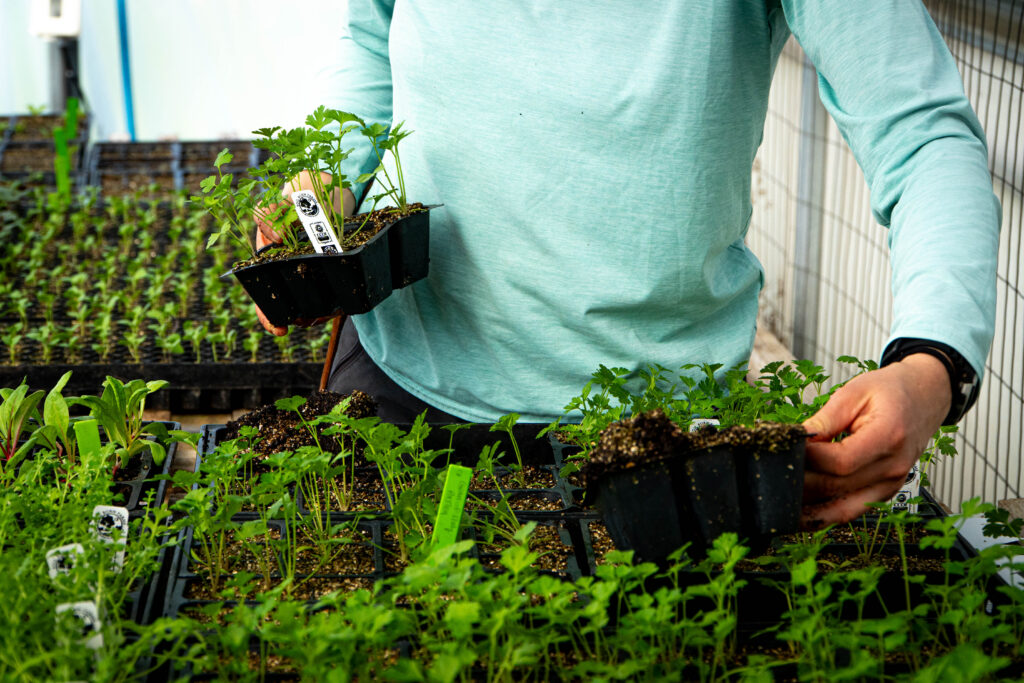
Today, Soil Born uses certified-organic and regenerative farming methods to protect the soil and grow produce for local schools, food pantries, restaurants, grocery stores, its farm stand and an online marketplace. It offers over 140 classes and workshops annually for adults, hosts volunteer activities and educates thousands of youths through school gardens, field trips, summer camps and internships.
Partnerships abound
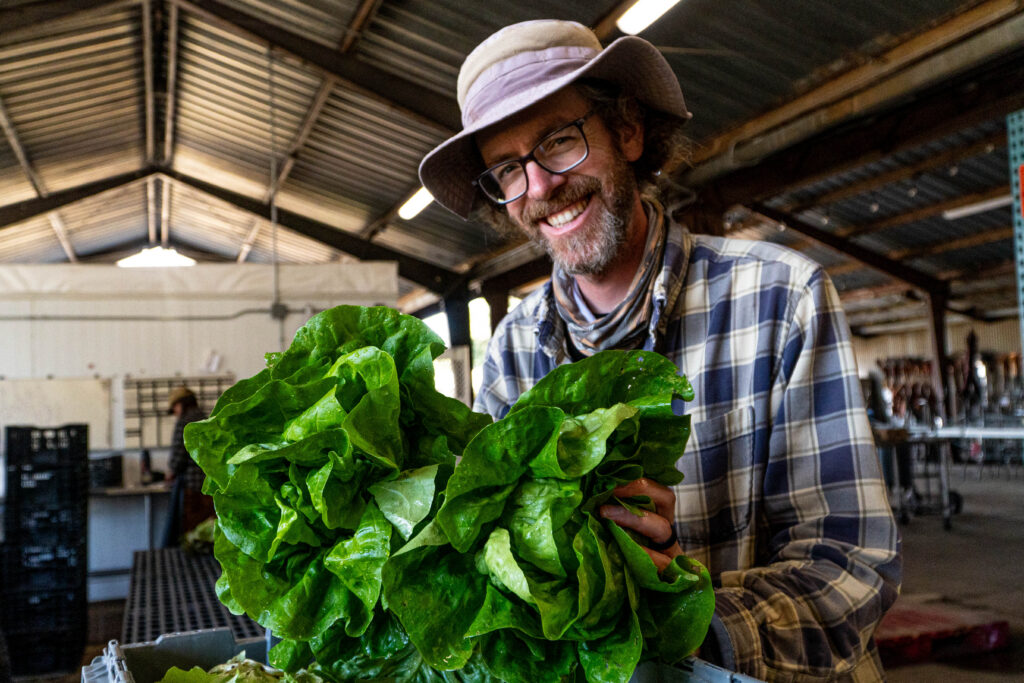
A key Soil Born program incorporates school gardens, nutrition education and Sacramento City Unified School District lunches. For this initiative, Soil Born partners with the district’s Central Kitchen, where school meals are prepared using local sourcing, including lettuce from Soil Born.
The partner for the nutrition education component is the Food Literacy Center, a Sacramento nonprofit that teaches children about healthy cooking, nutrition and gardening. The Food Literacy Center is now in 23 schools in three districts, with a goal to get to 40 campuses by 2027, said CEO Amber Stott.
It focuses on reaching youth who are at the highest risk for diet-related disease. Those kids are the kids who are hungry, Stott said.
Nutrition training for med students
This year, a partnership between Soil Born and the UC Davis School of Medicine will help medical students learn about the relationship between nutrition and preventive health in Soil Born’s garden and kitchen. Nutrition education in medical schools has historically been sorely lacking with minimal, if any, of this knowledge integrated into curricula.
For much of Sacramento’s food system evolution, Soil Born has acted as a lead agency. It’s advocated for policy change, compelled the region’s finest chefs to integrate local foods into their menus — a once-newfangled idea — and pushed the public school food systems forward.
“Somebody asked me the other day, ‘Is it what you thought it would be? Did you have all this planned out?'” Harrison said. “We didn’t have all the details worked out, but the way our community has embraced the topic, and the impact the farm has had in that ecosystem, and the way we’ve elevated food and ag as a community, that was all the original intention.”
But, he added, it was always going to be up to “the universe to decide how that was all going to play out.” If Soil Born’s dream for a systems change was to happen, it wasn’t going to happen alone.
Next: Urban farms take shape
Sena Christian is a veteran journalist and freelance writer from Sacramento. She teaches journalism at Sacramento City College.