

The Abridged version:
- When it comes to finding the right coach for your kids, there are a few factors to consider — from personalities and priorities — as well as some key questions to ask.
- One local P.E. teacher and little league volunteer says compassion is key when it comes to coaching kids.
- Two local moms share their experiences with coaches, including why a failing forward mentality can be helpful.
Rocklin sports mom Sara Wardell appreciates a coach with a “failing forward” approach, especially for her 11-year-old son Riley, whom she describes as a competitive kid fond of feedback.
“He enjoys coaches who are positive but also into the development of players,” Wardell said. “(They say) ‘That was a great play. Next time, think about moving this way a little faster.’ He likes someone who can be real with him (and say), ‘Hey, I’m not going to tell you you’re doing great when you’re not doing great, but I am going to encourage you.’”
Youth athletes spend months with their coaches, developing connections that are often similar to the one they have with their teachers. And for parents of young athletes, the right coach can mean the difference between parenting a kid who wants to play and get better or a kid who ends up wanting to quit sports.
Sign Up for the Homeroom Newsletter
A weekly email with news and insights into Sacramento area schools and how it impacts your students.
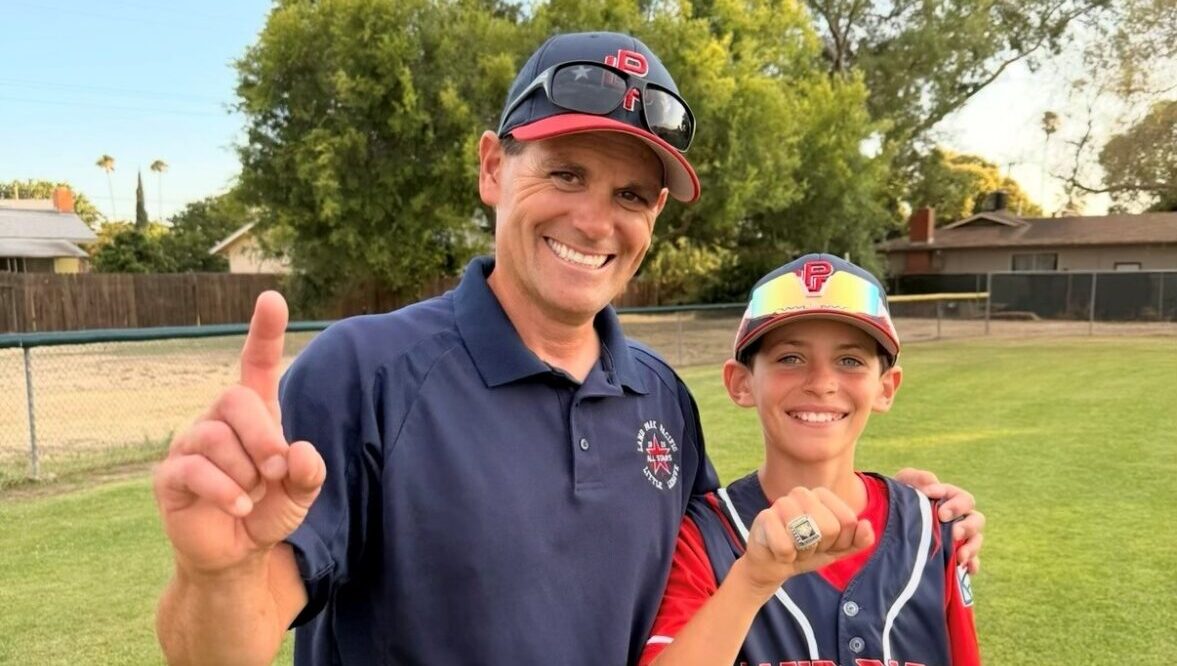
Sacramento dad Randy Rubiales not only coaches his son’s baseball teams, he’s also a high school P.E. teacher raised by a father who coached youth sports and taught P.E. as well.
“The coaches who run these programs, they need to be open-minded to, like, these are kids,” Rubiales said. “If your coach doesn’t have that mindset of ‘this is a kid, and baseball might not be their priority and that’s OK,’ I would look for that in a coach. How compassionate are (they) to these kids?”
Given that kids and adults alike all have different personalities and priorities, knowing who the best coach for your kid can be difficult. A coach’s approach may work for one kid, but not the other. It also matters, Rubiales says, whether you’re looking for a more casual, recreational environment or something more specialized. Even then, though, he warns that parents need to be realistic.
“I feel like a lot of parents take their kids to a coach thinking they’re going to turn them into a professional athlete,” he said. “That’s not the reality.”
How to talk to your child’s coach
Wardell’s son has played soccer, basketball, baseball and flag football since he was little — either recreationally, competitively or both. When he’s struggling with something or not getting as much playing time as he’d like, she teaches him to advocate for himself as much as possible.
“I try not to be THAT parent,” she joked. “So I think long and hard about any conversation I am going to have with (a coach).”
Still, she sometimes recognizes the coaches who aren’t as effective.
“If Riley doesn’t know what to do in a certain play or certain situation and you’re not educating him on that, then how is he going to learn? When coaches stop seeing the potential in your player, it’s hard to handle.”
Rubiales said if a parent has an issue with a coach, first and foremost, they should wait a day before addressing it.
“Emotions can run high in the heat of the moment,” he explained. “Taking time to step back allows everyone involved to approach the situation more thoughtfully and respectfully.”
This pause, he says, provides an opportunity to gain perspective, better understand the coach’s point of view, gather additional information and determine whether there is still a concern that needs to be addressed.
Questions to ask a youth sport coach
A strength and conditioning company called Power Athlete, created by former NFL player John Welbourn, offers a checklist for parents when it comes to selecting the right long-term coach for their kids. Their website includes a series of questions for parents to consider asking coaches, including:
- What do you look for in your athletes? A coach focused on development will speak more to the mentality they are looking for, not just talent or experience.
- What do you do to build relationships with your athletes? A transformational coach will provide a thoughtful answer that may include things they do outside of training times.
- What are your values? Values spill over into how they coach and develop the mentality of your athlete, and it helps when their values align with yours.
Elk Grove mom Leanette Dahn said her teenage daughter and younger son — both of whom play soccer — have experienced different kinds of coaches. As a result, she’s learned what to look for.
“Before we switched over to this competitive team that we’ve been on, I reached out to the coach and said, ‘I want to know how you coach, I want to know what’s your goal for your team?’”
Dahn said her daughter was once more introverted and not always a go-getter on the pitch. That is, until she found the right fit in a coach.
“Some of the other coaches just did not take the time to really mentor her; with the help of that coach, she just became a fireball,” she said. “If you land with a phenomenal coach, I think it makes such a difference and your kids are going to love the game.”
Wardell shared similar sentiments about one of her son Riley’s recreational baseball coaches.
“Her mentality was, ‘Win the next pitch; don’t let yourself get so caught up in the mistakes you made, let’s just concentrate on how to move forward.’”
Rubiales said when parents pay attention and participate in the process, coaches and kids both benefit.
“I want the parents to be involved. I want the parents to feel like they can talk to me. I want the parents to see that I know what I’m doing,” he explained. “I take pride in trying to make sure all of my players get better. I want to make them the best version of themselves.”
Carolyn Becker is a regular contributor covering youth sports for Abridged in her feature Beyond the Bleachers. She’s lived in Northern California most of her life and worked in journalism and communications in Sacramento for more than 25 years. She and her husband are raising two boys, both of whom have played competitive baseball.