
The Abridged version:
- The city of Sacramento is considering a historic district designation for the Lavender Heights neighborhood in Midtown.
- While some see preserving the appearance of specific LGBTQ+ landmarks as key, others worry the city’s current plan could hamper development, among other concerns.
- Community members and the Midtown Association on Friday raised questions and debated the pros and cons of a historic district designation.
Should Sacramento’s half-century-old LGBTQ+ neighborhood in the heart of Midtown become an official, city-designated historic district?
LGBTQ+ community members and a coalition representing Midtown property and business owners debated that question at the Midtown Association’s executive committee meeting Friday morning.
Some argued that preserving the appearance of particular Lavender Heights landmarks is critical. Others said specific preservation rules could hinder development — especially of much-needed housing.
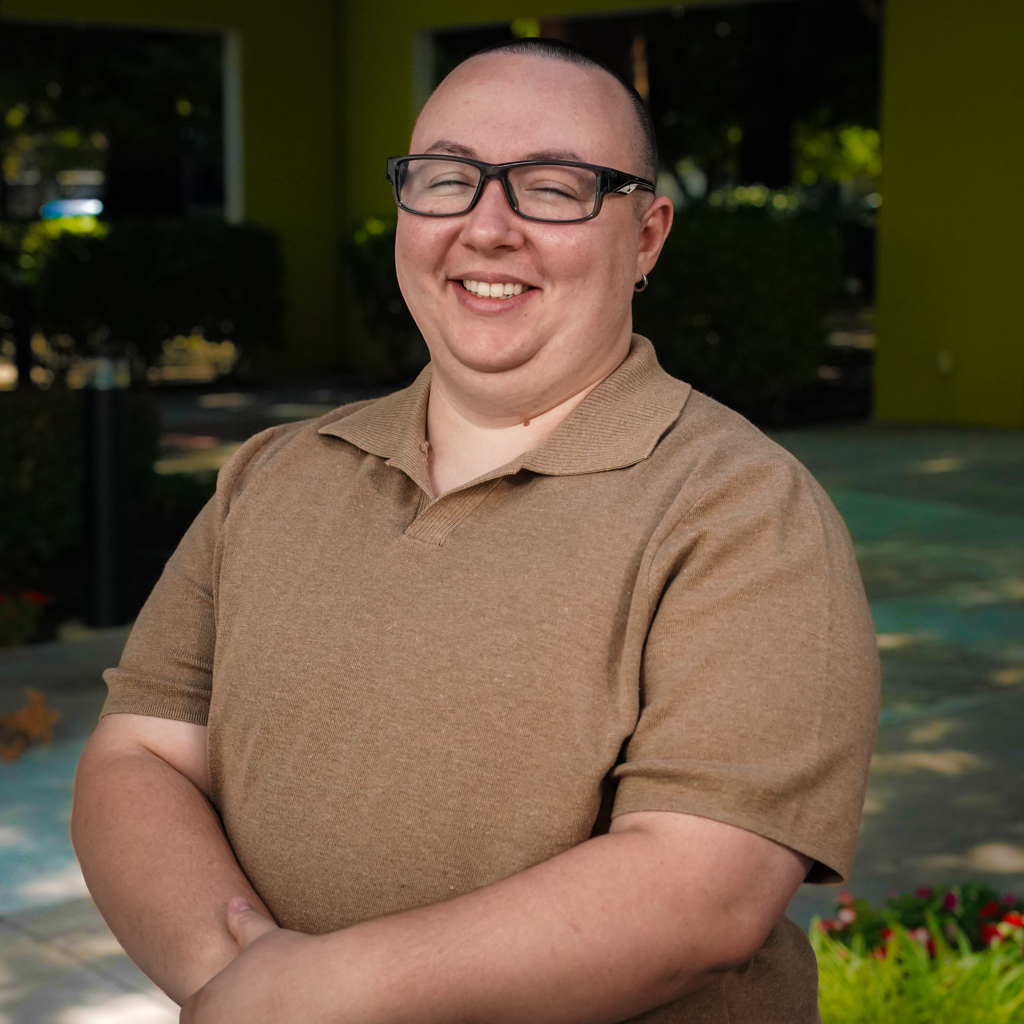
“I’m not opposed to the idea where we’ve identified historically significant buildings and facilities. I would rather, though, see there be fewer hyper-prescriptive restrictions,” said David Heitstuman, executive director of the LGBT Community Center and a member of the Midtown Association’s board of directors.
Sign Up for the Morning Newsletter
The Abridged morning newsletter lands in your inbox every weekday morning with the latest news from the Sacramento region.
“I think some of the important history that did happen does involve protecting the building in which it happened,” said Mitchell McCartney, a UC Davis scientist and promoter of Sacramento’s LGBTQ+ history.
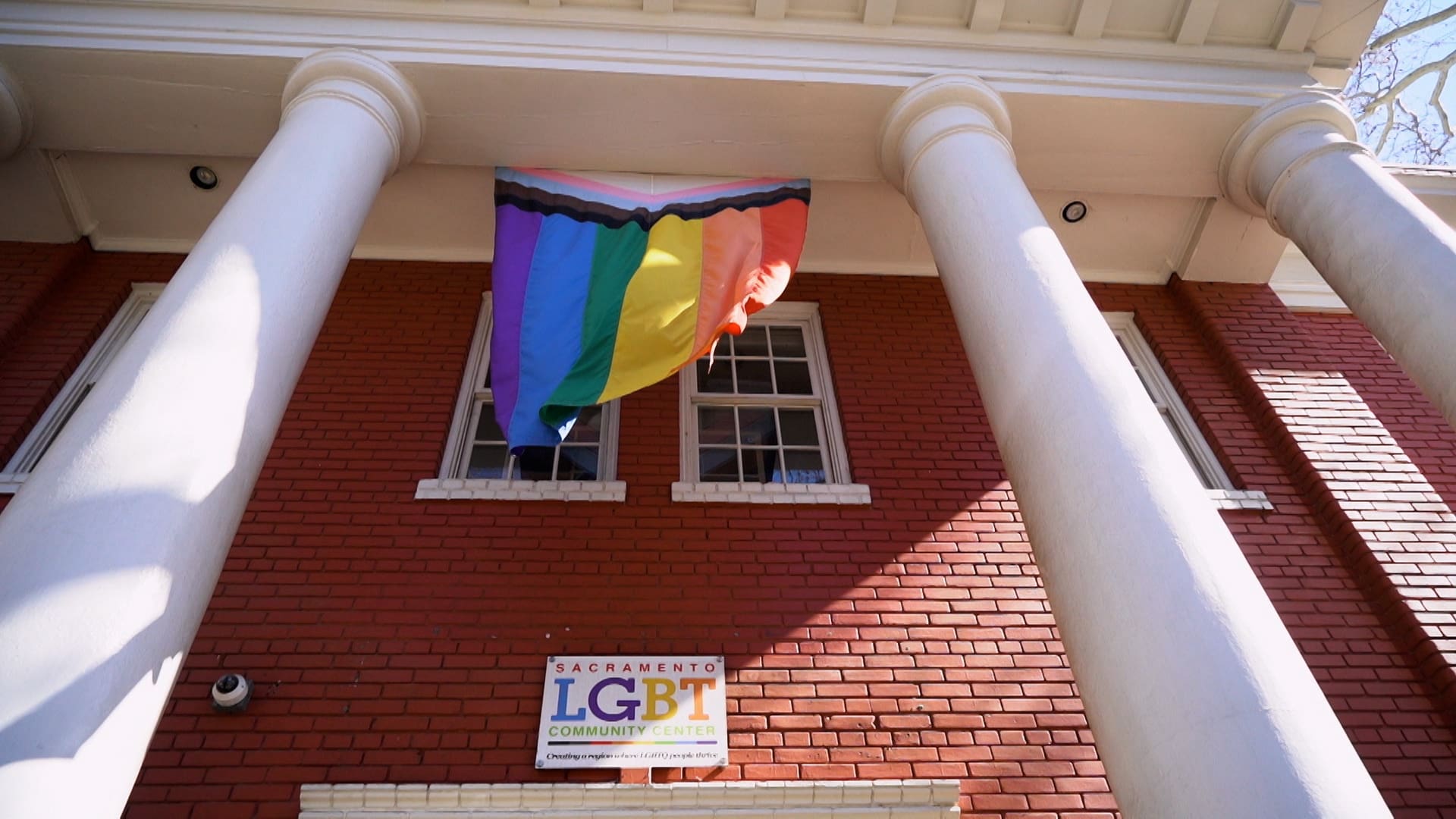
Centered around 20th and K streets, Lavender Heights emerged in the 1970s as a distinct place for LGBTQ-owned and LGBTQ-friendly businesses and for queer residents, according to Sacramento’s proposed historic district plan.
In recent years, the city drafted the plan with the intention of preserving landmarks central to the neighborhood’s LGBTQ+ history, including a J Street building that formerly housed the Sacramento AIDS Foundation Offices and a nearby structure formerly home to the Sacramento Women’s Center, the draft plan shows.
“Their intact presence conveys the spatial and social context within which LGBTQ residents, businesses, and organizations formed a vibrant community,” the plan says of the roughly 10 properties highlighted for preservation.
‘A point of connection’
If approved, the handful of buildings deemed particularly significant would be subject to rules aimed at preserving their historic appearances, from restrictions of their roof shapes to rules about how their facades should look.
All five community members who spoke at Friday’s meeting supported making Lavender Heights a historic district.
“We’re talking about this historic context turning into a point of attraction, a point of connection for Sacramento. And that’s really what this is,” said William Burg, president of Preservation Sacramento.
“The history that happened here had a profound impact over our state and our country,” McCartney said. “We feel very strongly it’s important to recognize the history that happened.”
At the same time, Midtown Association committee members raised concerns about architectural rules for certain properties limiting new development.
“Looking at buildings that have the potential to be housing for folks that are members of all sorts of communities, and stalling their ability to be developed, is very concerning to us,” said Emily Baime Michaels, the Midtown Association’s executive director.
Baime Michaels also noted that the current preservation plan contained little reference to sites significant specifically to Sacramento’s transgender history.
Historical markers instead?
For his part, LGBT Community Center director Heitstuman argued the plan didn’t sufficiently describe how the city plans to visibly mark and explain the significance of Lavender Heights’ landmarks.
“(I) would much rather see there be historical markers on properties or in the district … than simply to preserve a building that might currently be like, a clothing store,” he said.
“But 40 years ago, was a private clinic that two physicians worked in … that cared for HIV patients. But every time I walked by there, I would absolutely never know that that’s what happened there,” he added.
No city of Sacramento representative was present at the meeting, and a city spokesperson did not send Abridged by PBS KVIE a statement about the historic district plan by the time of publication.
Speaking after the meeting, Midtown Association deputy director Jameson Parker said the group’s concerns didn’t arise from specific plans for a building included on the city’s preservation list. And the Midtown Association isn’t categorically opposed to historic districts in its purview, he said.
“There’s nothing wrong with it in that theory. I think, in particular for this one, that is where we don’t see the correlation, is that you’re defining an architecture that isn’t (linked) to a history that is based in architecture,” he said.