
The Abridged version:
- Construction of a long-awaited passenger train station in Midtown Sacramento will begin early next year.
- The station will connect Sacramento travelers by train to the Central Valley and the Altamont Corridor Express (ACE) commuter service, which currently runs from Stockton to the Bay Area and San Jose.
- The cost of the Midtown station is estimated to cost $36.7 million, and will be funded by Caltrans.
Construction of a long-awaited passenger train station in the heart of Sacramento’s Midtown, part of the expansive Valley Rail Sacramento Extension Project, will begin early next year.
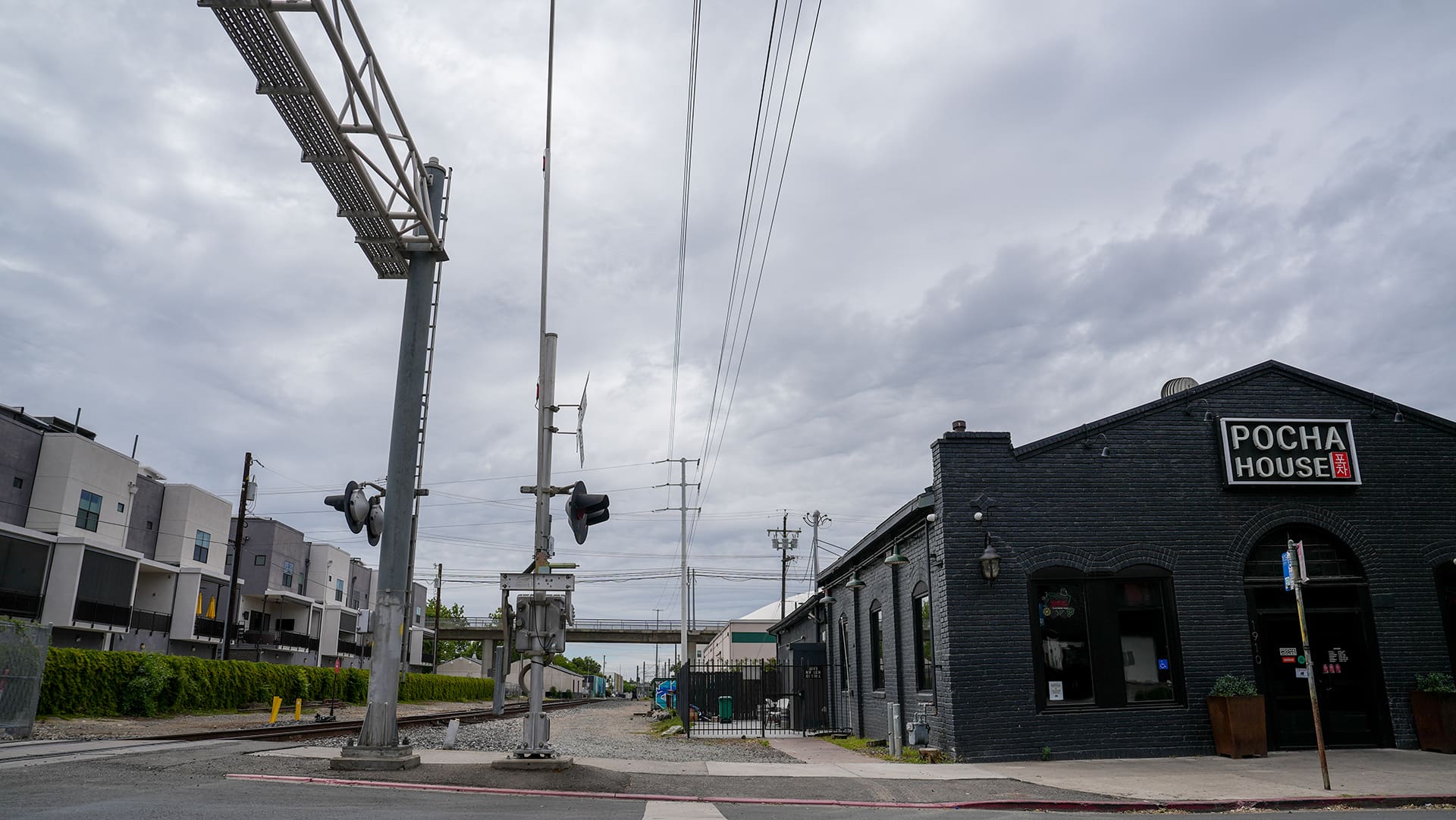
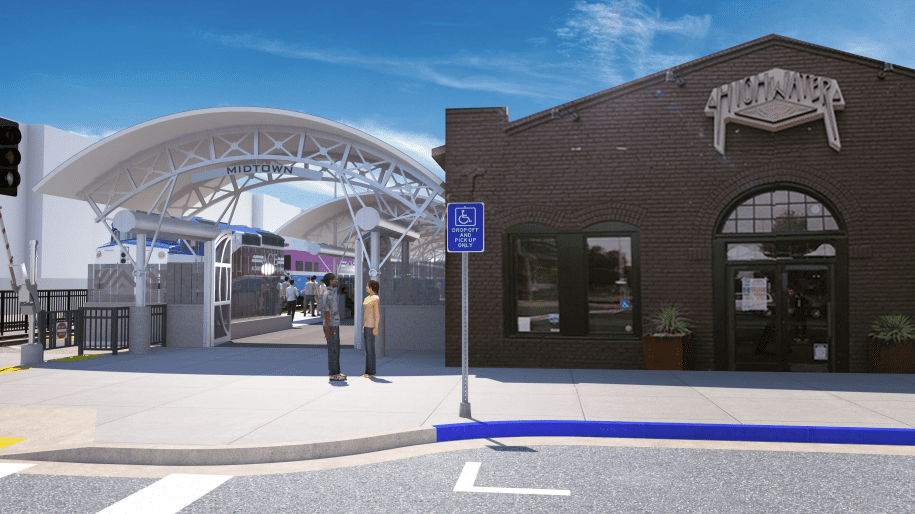
Planned for a stretch off Q Street along existing Union Pacific tracks, in between 19th and 20th streets, and near the Q Apartments and Pocha House bar, the station is projected to start accepting passenger trains in 2031.
The station will connect Sacramento travelers by train to the Central Valley and the Altamont Corridor Express (ACE) commuter service, which currently runs from Stockton to the Bay Area and San Jose five days a week.
Sign Up for the Morning Newsletter
The Abridged morning newsletter lands in your inbox every weekday morning with the latest news from the Sacramento region.
The project “represents a significant investment in expanding passenger rail options for the greater Sacramento region,” the San Joaquin Regional Rail Commission said in a prepared statement. “This project will enhance connectivity, support sustainable transportation and contribute to the region’s long-term mobility goals. We look forward to engaging with the community in the coming months to engage and share updates as we move toward delivery.”
Construction schedule approved
The commission’s board and other overseeing agencies, including the San Joaquin Joint Powers Authority, recently approved the construction schedule. The Midtown station has been identified as the first of three planned stations in the Sacramento area, including Elk Grove and North Natomas.
Ahdel Ahmed, public relations manager for the commission, said the agency focused on the north part of the valley first, in part, because the projected ridership and benefits of people using the train are higher in the Sacramento region.
Midtown Association praises move
Emily Baime Michaels, executive director of the Midtown Association, praised the development.
“Midtown has long been built around active and multimodal transportation options that make it easy for visitors to access and move throughout the urban core,” Michaels said in a written statement. “The addition of Valley Rail service further strengthens that connectivity, linking Midtown directly to the Central Valley and Bay Area while expanding access to passenger rail.“
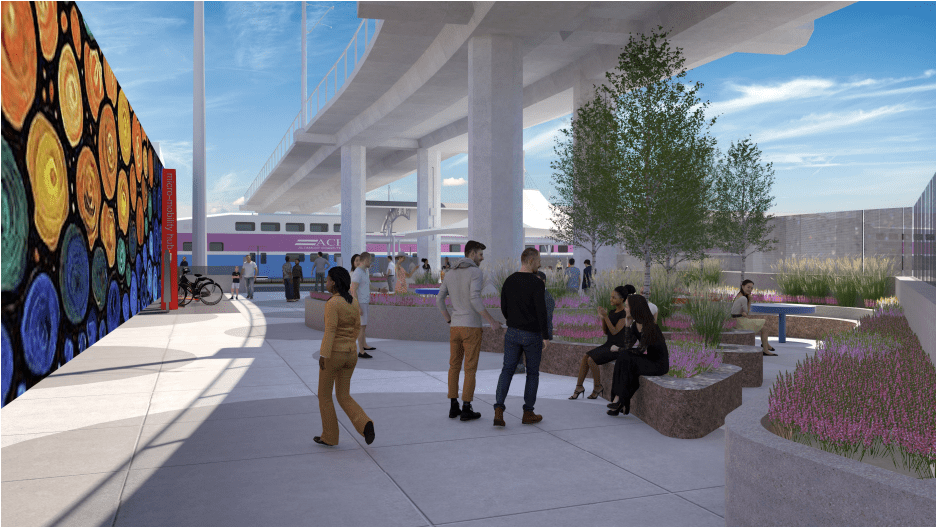
Michaels said the “investment goes beyond transit. It enhances the overall experience through extended, parking-protected bike lanes and the integration of public art at the station.”
Valley Rail is a joint program that hopes to expand both the ACE and Amtrak Gold Runner passenger train service, between Sacramento and the San Joaquin Valley to help increase ridership and connect San Joaquin Valley travelers with the Sacramento area and Interstate 5.
First Midtown passenger trains since 1970
The station would route passenger trains through Midtown Sacramento for the first time since 1970, when the Western Pacific train depot serviced its original California Zephyr line at 19th and J streets — the current site of The Old Spaghetti Factory restaurant — before it was discontinued.
The Midtown station, originally with an estimated cost of $16 million, has risen to $36.7 million and will be funded by Caltrans, according to the most recent plans. It has been in the works since 2018, with environmental review delays and other factors pushing its schedule numerous times. Ahmed said the recent hire of a capital projects director, Christine Inouye, has enabled the agency to help assess the project’s past efforts and analyze what is feasible in light of increased construction costs.
Agency will seek feedback from neighborhood
Ahmed noted that with any construction project, there can be unknown roadblocks. But he said a very supportive relationship with key entities, including railroad operators Union Pacific and BNSF, as well as with Sacramento, Elk Grove and state government officials, has greatly helped the project move forward.
Within the next two months, Ahmed said, project managers will reengage with neighborhood residents to get feedback and provide updates on the project before breaking ground.
“We want to cause minimal disruptions,” he said. “Obviously, projects like this could cause domino effects in some cases. We want to make sure people (understand) what’s going to be happening.”
The Sacramento Valley Station, the second busiest train station west of the Mississippi, featuring Amtrak’s Coast Starlight and Gold Runner (formerly San Joaquin) trains, operates more than 30 trains out of Sacramento each day. The Midtown station could ultimately mean an additional seven passenger trains will go through the heart of the city each day, according to available plans.
Steve Martarano is a Sacramento-based freelance journalist whose father, Carmen, worked for the Southern Pacific Railroad in San Jose and Sparks for 35 years.