

The Abridged version:
- Three midsize concert venues in the Sacramento area have launched since 2022 and four more are proposed. With the newly opened venues and those planned, an additional 30,000 seats could be in play.
- The increase of options can create tough choices for concertgoers and a likely hit to the bank account.
- Industry experts say Sacramento’s music industry is ready for the boost.
Sacramento’s music scene remains a key element of the city’s cultural identity, a vibrant mix of musicians from the underground to the Grammy Awards stage.
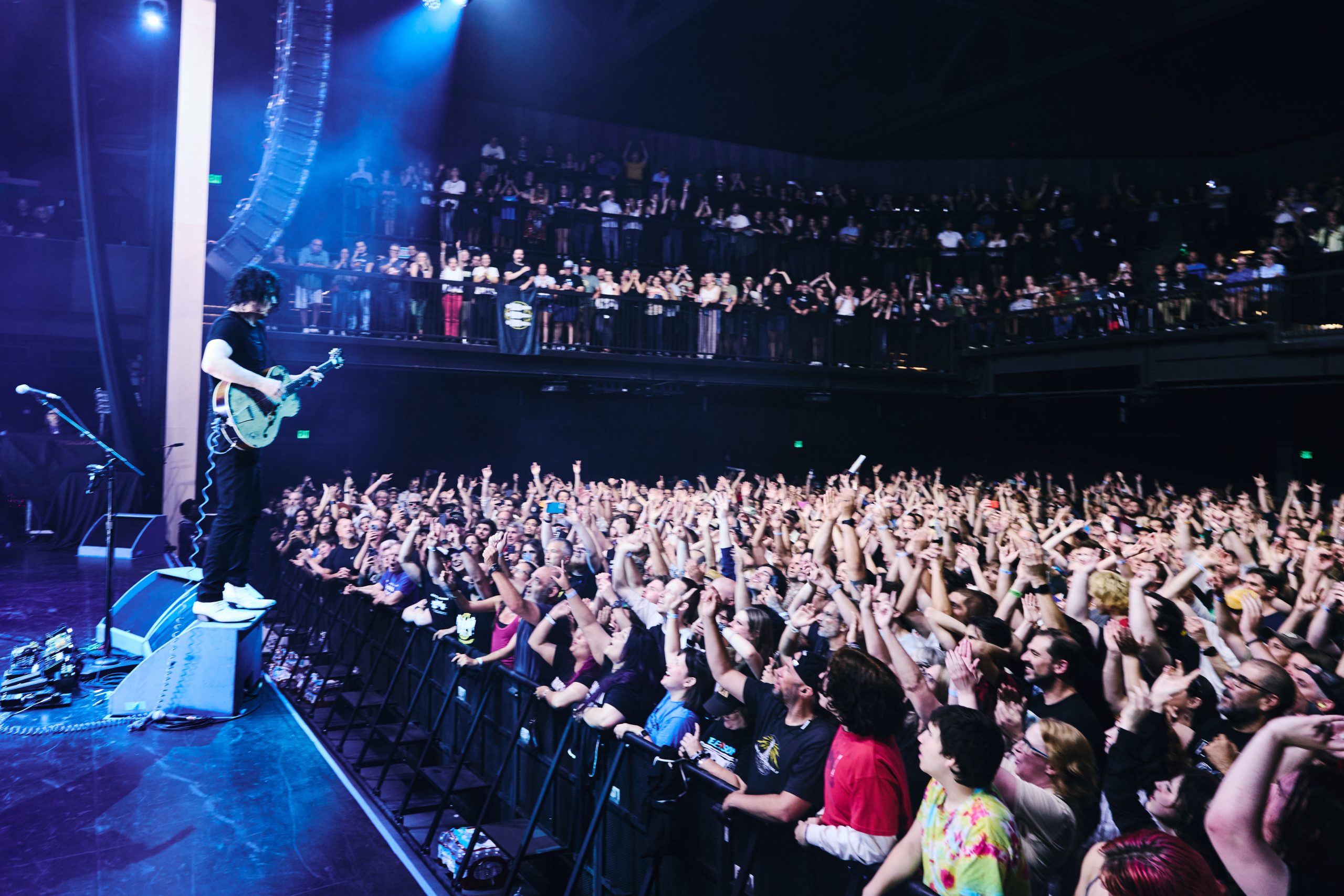
Clubs like Old Ironsides, Café Colonial, Ace of Spades and Harlow’s keep the crowds rocking across genres. The Golden 1 Center and Toyota Amphitheatre near Wheatland are geared for A-list acts playing for the masses. But midsize concert venues in the 2,000 to 6,000 capacity range in Sacramento have traditionally been in short supply.
That is, until now.
Three midsize venues in the area have launched since 2022 and four more are proposed, adding potentially tens-of-thousands in capacity to the Sacramento area’s concert scene. They join the established Memorial Auditorium and SAFE Credit Union Performing Arts Center as similarly sized options.
Could this expansion be too much of a good thing? Given a turbulent economy and an increasing number of live music options, the question remains if Sacramento’s concert market is strong enough to absorb all this new business and competition.
The increase of options can create tough choices for concertgoers and a likely hit to the bank account. That was especially true for local fans of Americana and rootsy rock music in late-October, as tickets for Jason Isbell, Hayes Carll and Violent Femmes all went on sale in a single week.
Scott Thurston, a longtime Sacramentan who regularly attends heavy metal and punk shows with his teenage daughter, is hopeful about this growth. He’s attended local gigs for more than 30 years and never seen Sacramento’s music scene so active. Or, more expensive.
“I do appreciate that a lot of the shows I would have to travel to Oakland to see are now coming here,” Thurston said. “I get to about four concerts in a month. But there was a time about two or three years ago where I was seeing six to eight shows a month. If a show is going to be 100 bucks, we’re not going. That’s not because we can’t afford it. I just don’t want to give into those prices.”
Sacramento’s live music market by the numbers
Sacramento is emerging as a midsize concert market according to Pollstar, a trade publication that tracks the concert industry. In its Concert Rankings 2025, the Sacramento area (including Stockton and Modesto) placed 29th out of 100 markets nationally. That ranking is down three spots from the previous year, placing Sacramento just below Portland and a spot above Raleigh/Durham.
Overall, the Sacramento area market’s ranking is down slightly in terms of revenue and the amount of shows as ticket prices rise. Nationally, Pollstar reported the cumulative gross from the Top 100 markets was up about 4% compared to 2023.
Here’s how Sacramento’s numbers break down in Pollstar’s Concert Rankings 2025:
- The Sacramento area’s concert industry grossed $86.8 million, compared to $99.9 million in 2023.
- The reported number of tickets sold was 1,053,408, down from 1.2 million the previous year.
- 382 shows were reported, compared to 475 in Pollstar’s 2024 report.
- The average ticket price was $82.41, a 2% increase over the previous year.
Dawning of a midsize era
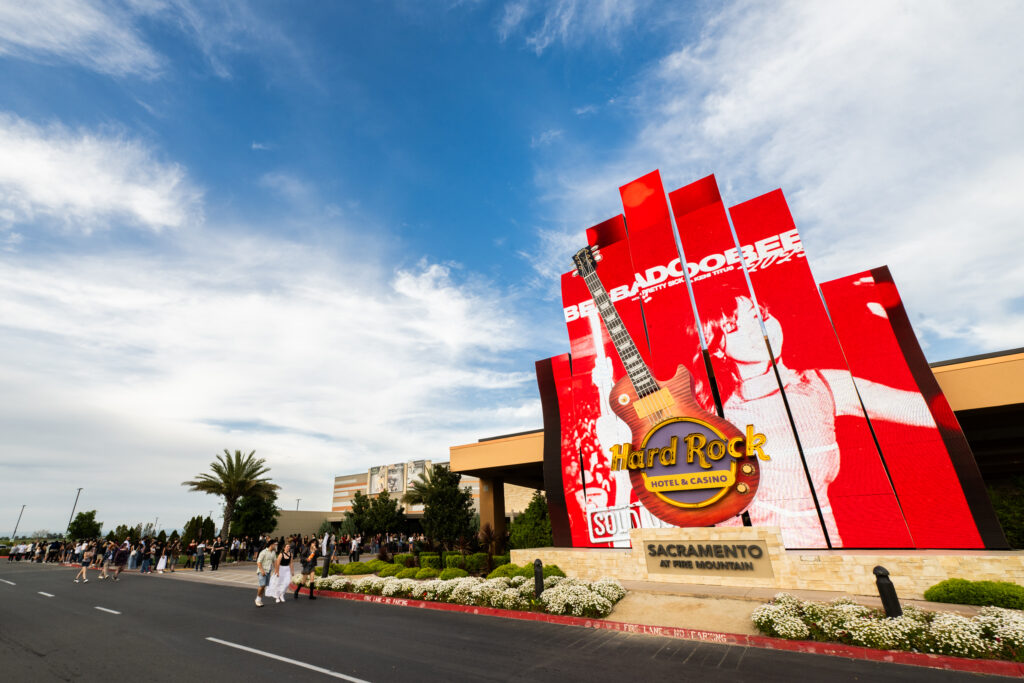
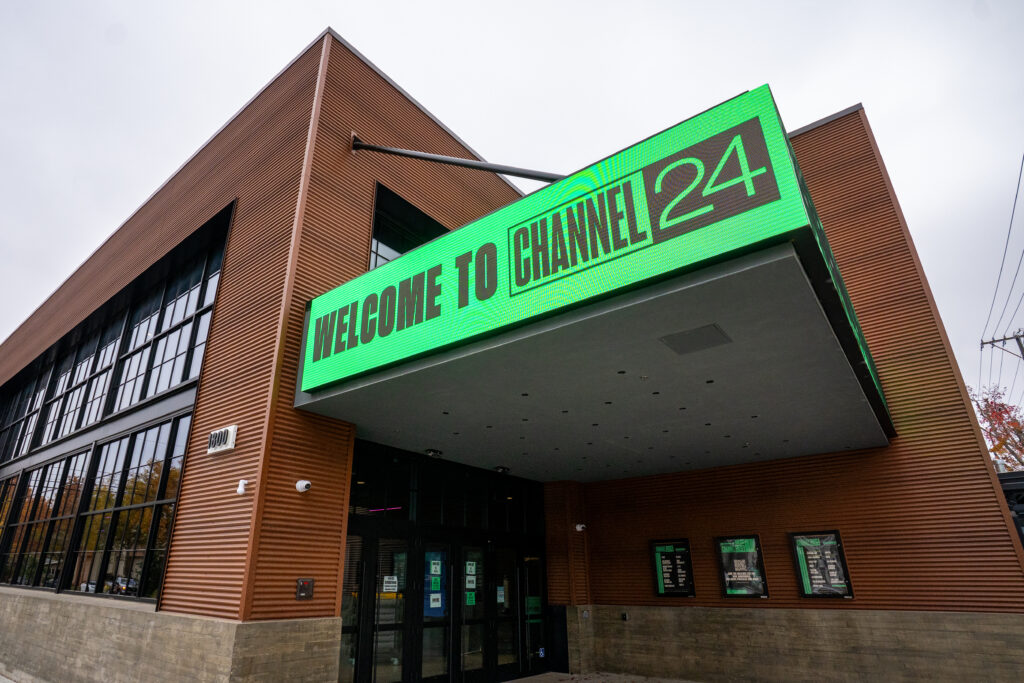
The figures for Sacramento could look much different in the coming years. Since 2022, three midsize venues have opened in the greater Sacramento area: Hard Rock Live near Wheatland, The Venue at Thunder Valley and Midtown Sacramento’s Channel 24. Altogether, these new venues added more than 10,000 seats to the area’s concert market.
Four more are proposed, including The Rose near Sacramento State. The 2,000-capacity project was approved in 2023 but stalled until a new buyer came on board in October. According to the Sacramento Business Journal, records showed the buyer was the same team behind The Midway SF, a San Francisco venue that holds up to 3,500 and specializes in electronic dance music.
A representative from The Midway SF did not respond to a message to confirm the deal.
In El Dorado County, the Shingle Springs Band of Miwok Indians proposed 5,000-capacity arena near Red Hawk Casino. However, it’s received pushback from El Dorado County officials and residents due to traffic concerns and emergency response capacity.
Rancho Cordova is eyeing a 7,500-capacity arena at its Cordova City Center development, with a completion target of 2027. A spokesperson for the city of Rancho Cordova didn’t have an update on its progress.

Adjacent to downtown, plans are moving forward with the Paint Shop at the Railyards. LiveNation would run the proposed 3,500-capacity venue.
With the newly opened midsize venues and those planned, an additional 30,000 seats could be added to Sacramento’s concert market.
If you build it, will they come?
Brian McKenna, who’s promoted concerts in Sacramento for over 30 years, believes Sacramento is prime for midsize venues. He’s confident there’s enough business to go around considering the current appetite for live music, especially following the COVID-19 pandemic and the region’s rapid population growth since 2020.
McKenna sees the increased demand these days when booking shows and trying to reserve dates at local venues. Typically, he’s used to competing with a couple of “holds” from other promoters and booking agents. Now, that number is closer to seven or eight.
“All these (local venues) seem to be pretty full quite often,” McKenna said. “I think it’s a step in the right direction that there’s more venues and more opportunities for artists to go into town. Channel 24 was a missing link in venue size. There’s certainly enough artists to go around.”
Perhaps Sacramento is finally ready to catch up with what’s happening around the country.
Dean Budnick said he sees this expansion of midsize venues in Sacramento mirroring an overall national trend. He’s a concert industry expert and author of Ticket Masters: The Rise of the Concert Industry and How the Public Got Scalped.
He credits their popularity to their focus on top-notch sound and sightlines, not just cramming a bunch of people into a room. They also work well as a business model for their operators through concessions and VIP sales.
“They’re typically designed specifically to optimize the live music experience,” said Budnick in an email, “as opposed to traditional theaters, weather-dependent amphitheaters or larger multi-use facilities that also host sporting events.”
Budnick said he doesn’t believe Sacramento risks oversaturation in its concert market. He also isn’t aware of midsize venues and arenas oversaturating markets in other cities.
“I think that Sacramento has been underserved as a touring market, which is why Another Planet Entertainment launched Channel 24,” Budnick wrote. (They are) a well-established Northern California-based independent promoter with a good feel for what’s happening in the region.
“I also think the market is somewhat overlooked by booking agents and managers, who tend to focus on the Bay Area.”
The Sacramento City Council also recently approved ticket fees at city-owned venues, including Memorial and SAFE, to attract promoters.
It remains to be seen which proposed venues will come to life in the region. Either way, Thurston stays hopeful that Sacramento’s evolving concert landscape results in good rocking times and fewer miles on his odometer.
“I am always jealous of the bands that you see are playing in the Bay and don’t come here,” Thurston said. “Maybe these venues help that. I don’t want to go to the Bay on a Tuesday night to see a band that I like.”
Chris Macias is a regular contributor, writing Cultural Capital for Abridged. Sign up here.