
The Abridged version:
- New leaders helming a number of Sacramento arts institutions are facing pressing questions about sustainability.
- To ease the financial uncertainty, some organizations are adapting to find new audiences, increasing their offerings and developing new partnerships.
- Despite the headwinds, there is evidence the fine arts scene is beginning to thrive in Sacramento.
In March, during an intermission at Sacramento Ballet’s Visions program performed at the Sofia, longtime arts advocate Dennis Mangers celebrated the legacy of the ballet’s recently deceased former artistic director, Ron Cunningham.
Mangers noted how Cunnigham’s visionary creativity and progressive sensibility lifted the company from its modest regional roots into a nationally respected professional dance institution. Cunningham, with wife Carinne Binda running the ballet school, led the company for 30 years.
At one point Mangers replayed a contentious board meeting at which Cunningham essentially told him: “My job is to make the art. Your job is to find me the money!”
Finding the money is a crucial part of operating nonprofit arts organizations, and while it’s never been easy in the Sacramento region, it has rarely been more difficult than now.
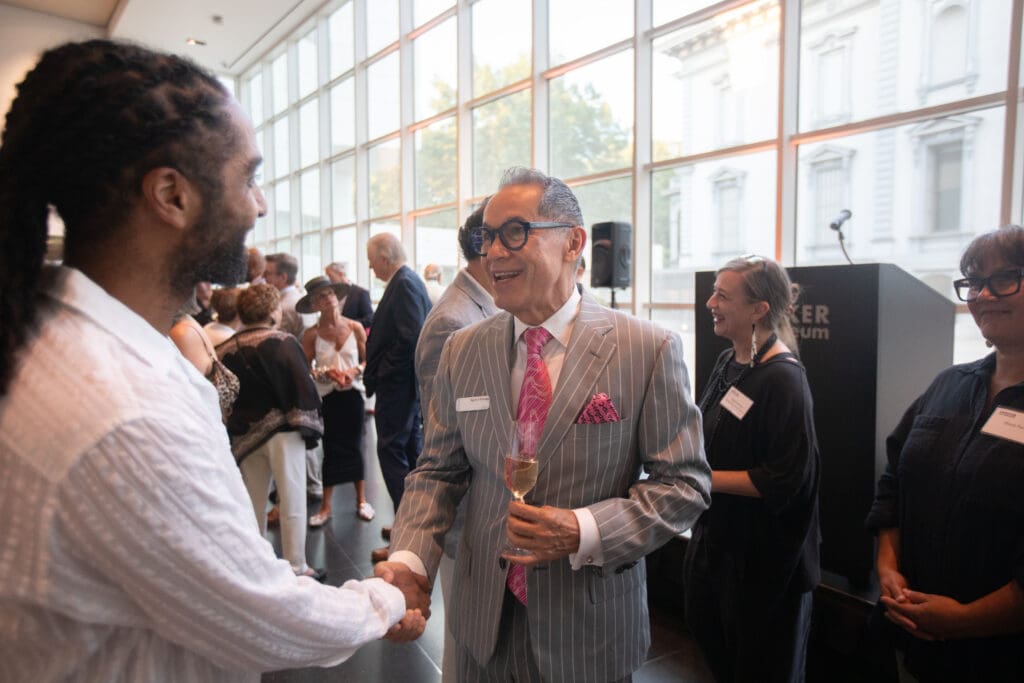
“The challenges are never going to change,” said Agustín Arteaga, the new director and CEO of the Crocker Art Museum. The Crocker holds a stronger position than most, but nonprofit arts groups operate on thin margins in the most flush of times.
New leaders face old challenge
More than midway through a decade that has already seen significant churn, new leaders helming a number of Sacramento arts institutions are facing pressing questions about sustainability. Arteaga is one of several new regional arts administrators at the center of a recurring conversation about audiences and money.
“The first roadblock we have to overcome is financial. It’s cost,” Arteaga said. A veteran arts administrator, Arteaga has been on the job here since September. He replaced Lial Jones, who retired in 2024 after 25 years in the position.
Audiences ‘craving connection’
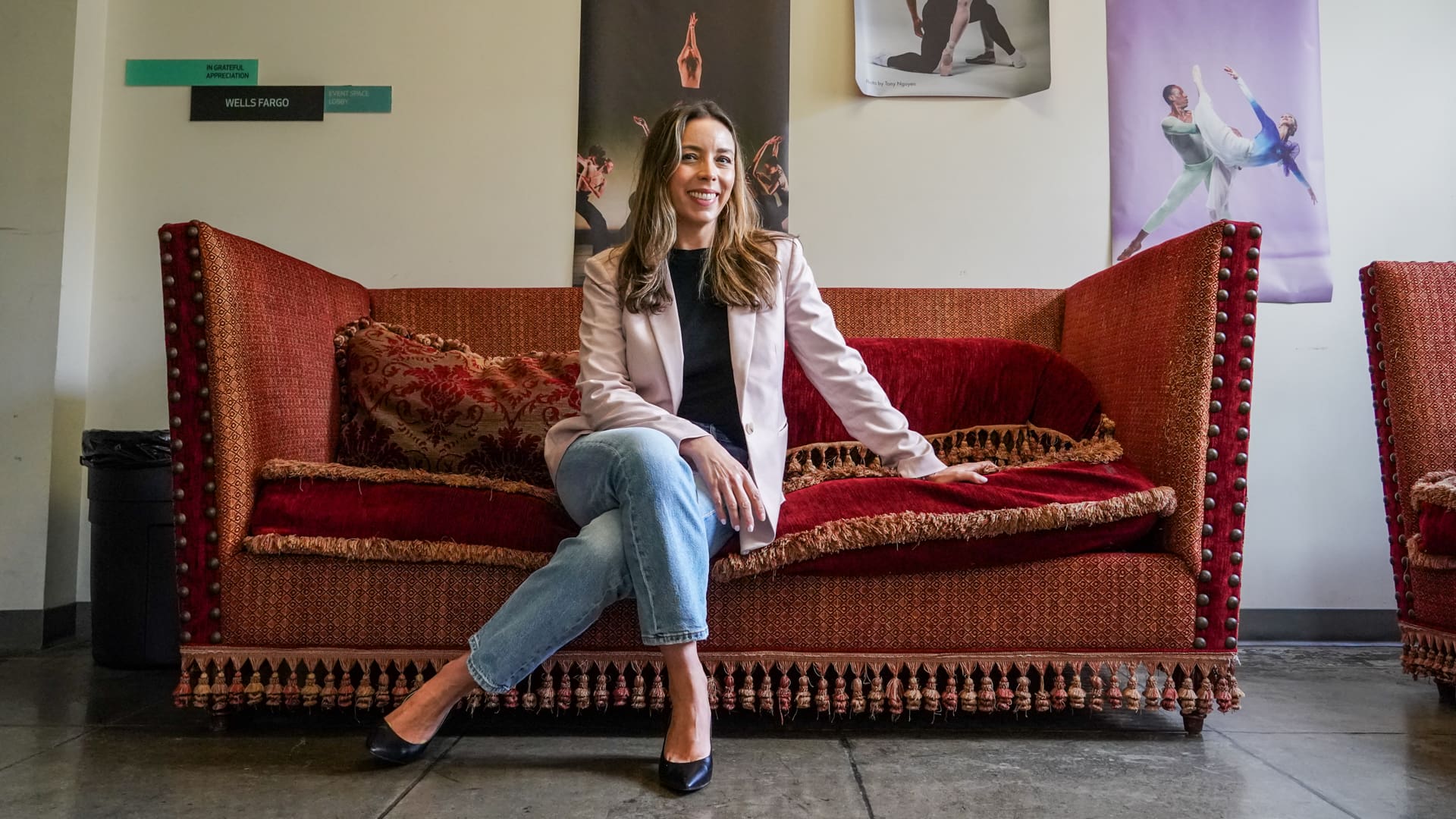
One of the region’s legacy performing arts groups, The Ballet, has undergone a significant leadership change this year, naming Kiera Anderson as its new executive director in January and Tiit Helimets, a former San Francisco Ballet principal dancer, as artistic director last month. Those are promising developments for an organization whose performances have remained first-rate even when its finances were in disarray.
Despite intermittent financial unrest at the organization, it is operating in the black this season, Anderson said. “We saw record attendance numbers this season, are expanding our school and outreach programs to meet greater demand for dance education, and are excited to welcome a new artistic director come August,” Anderson said. “I think people are craving connection and community right now, which they find in live performance experiences.”
Focus on education and community
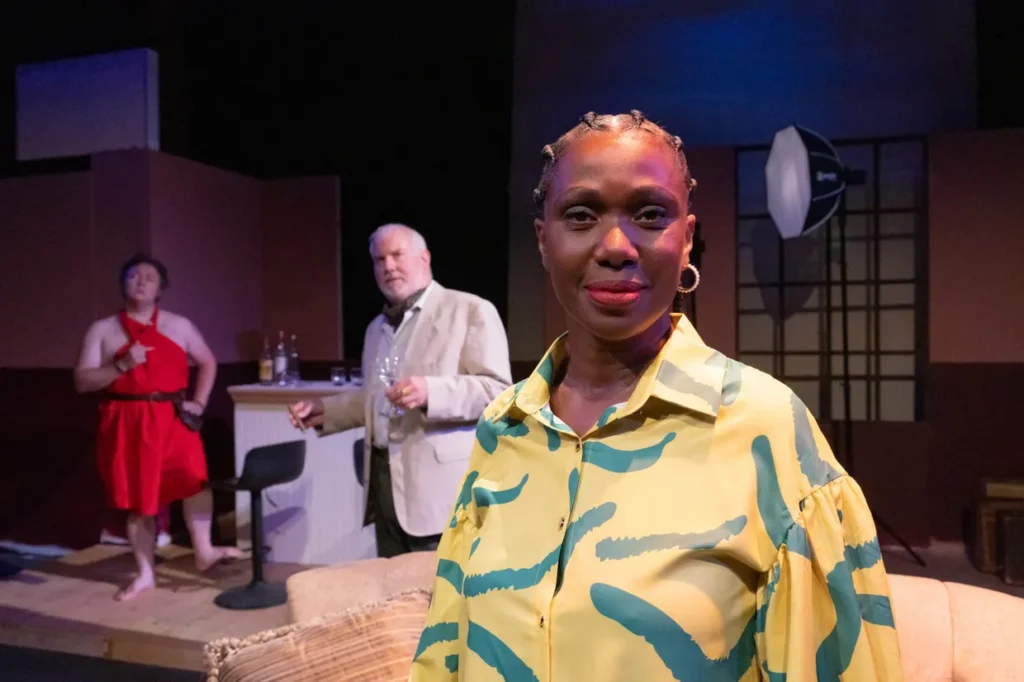
Celebration Arts, the beloved community theater that centers the African American experience, faces a budget deficit it needs to erase before the end of the year in order to continue producing. Executive Artistic Director Erinn Anova resisted calls to fold the company last fall as financial struggles emerged and then artistic director James Ellison resigned.
Ellison had replaced his mentor, Celebration Arts founder James Wheatley, who retired. Anova, a Sacramento native and veteran theater artist with national experience, became Ellison’s successor.
Theater angels kept organization afloat
She found a core of “theater angels” to help keep the lights on and put in place a dedicated staff intent on developing donors and sponsors. Anova wants to return Celebration Arts to its educational roots and community focus.
“It’s about being in a space with other people and experiencing something that is not going to happen ever again with artists who are lending their hearts and their minds to reflect back to you, your heart and your mind and your experiences. There is value in that,” Anova said.
Anova is leaning into the company’s 40th anniversary celebration as a high profile fundraiser and scheduled an encouraging slate of productions.
Upcoming in June is the thoughtful comedy “Don’t Touch My Hair,” written by Douglas Lyons and directed by Danielle Moné Truitt. Lyons wrote last season’s hit “Chicken and Biscuits” and has a new play, “Table 17,” at the Geffen Playhouse. Though also developing a television pilot, Lyons will find time to be in Sacramento during the production. Truitt, a homegrown acting powerhouse, has been the main cast member, Sgt. Ayanna Bell, on “Law and Order: Organized Crime” for its initial five seasons on NBC. The production’s lineage and visibility help Celebration Arts show what it can contribute.
“At the end of the year, if nothing happens, we can say we tried everything,” Anova said.
Adapting to serve more audiences
The scale at which Broadway Sacramento CEO Scott Klier operates is different from Anova’s, but he knows their concerns are the same.
“These companies that we are trying to shepherd are incredibly fragile and that’s not exclusive to those that are financially struggling,” Klier said. “They’re fragile across the board.”
Klier has led the region’s largest producing and presenting organization, which specializes in musical theater, since 2023. He quietly worked his way up through the administrative artistic ranks for over 20 years. Broadway Sacramento’s annual budget is just over $30 million. It has 39 full-time, year-round employees and 14 part-time, year-round employees. There were also over 700 seasonal employees last year.
Broadway schedule maximized
Klier has been adjusting the Broadway Sacramento schedules (Broadway on Tour and Broadway at the Music Circus) to maximize his full-time occupation of the campus at 15th and H Streets since the 2024 dissolution of Sacramento Theatre Company. It had previously shared the space, limiting the Music Circus to summer-only production. The company can now consider more and newer touring titles because there’s no conflict with the Music Circus season.
“The goal is to offer our audience a show every couple of weeks, whether it’s self-produced in the round or presented straight from Broadway,” Klier said.
Broadway on Tour has scheduled eight productions for its 2026-27 season. Klier is taking a chance on expanding his audience by increasing Music Circus show runs, previously eight shows in a week that will now last a week and a half with 12 performances.
“That’s a lot more folks to find and serve,” Klier said. “We really do need to stretch and reach households beyond those that have supported Music Circus in the past. It’s a work in progress.”
Klier has proven to be a thoughtful practical steward of Broadway Sacramento’s resources. His decisions are more data driven than impulsive whims. There has been anecdotal evidence though that Sacramento audiences are willing to get off the couch.

How Sacramento’s arts scene is thriving
A weekend in March could be seen as the template for a homegrown arts festival Sacramento could produce.
At the same time the Ballet was performing at the Sofia, down the hall writer monologist Jack Gallagher was into the second week of his already extended world premiere for B Street Theater’s “An Irish Goodbye.” A few blocks away in Midtown, Capital Stage opened the Pulitzer Prize-winning play “Fat Ham,” which has also added shows due to audience interest. Broadway Sacramento was closing its original production of “Jesus Christ Superstar” at the UC Davis Health Pavilion.
Locally incubated pop band Cake played three nights at the new Midtown music venue Channel 24. The veteran hipsters have more current members living out of state than in town — but the 916 still claims them and showed its love by selling out all the shows. Jazz fusion scenesters LabRats debuted “Who Is Jef Costello?,” an original hip hop-based musical at Sac Dance Lab. The Sacramento Philharmonic and Opera performed its “La Traviata” to full houses at the SAFE Credit Union Performing Arts Center.

Philharmonic provides success story to replicate
The Sacramento Philharmonic & Opera’s resurgence has been one of the region’s more inspiring success stories, beginning with the guidance of Alice Sauro and continuing under Executive Director Giuliano Kornberg.
Sauro took the job in 2015 following the Sacramento Symphony’s bankruptcy and canceled season. She strategically merged the renamed Philharmonic with the perpetually struggling Opera and built the new organization through tireless community engagement (taking the music to the people) and growing earned and contributed income.
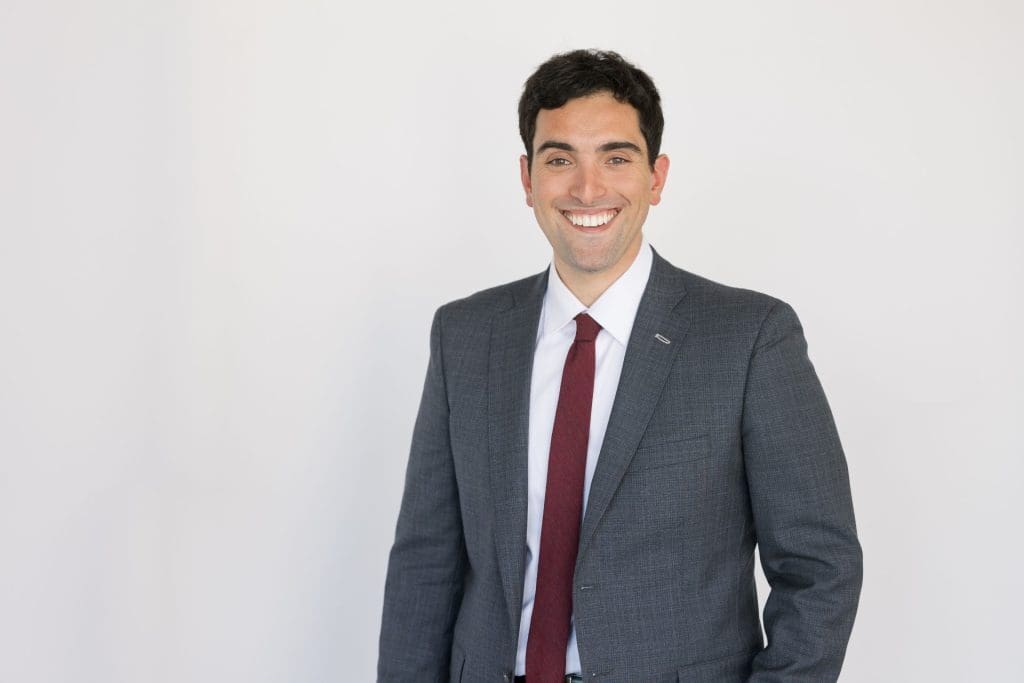
Kornberg, a lapsed percussionist just out of Stanford, joined in 2016.
“I started here doing fundraising,” he said. “My first title was development associate. It allowed me the opportunity to go out and meet people, connect with folks who were donors, who could become donors, who were on the board, who’d been supporting us for a long time.”
Good will for classical music in Sacramento
He discovered a surprising reservoir of good will for the idea of classical music performance in the region.
“People really wanted this group to succeed. There was a baseline level of confidence; even if it was still pretty nascent, it was there,” Kornberg said. When Sauro left late in 2021, Kornberg was named executive director and assumed the role in February 2022. Audiences came out for the concerts and Kornberg made sure the music was first-rate. Donors responded at record levels.
“Slowly, but surely, we started raising more money,” Kornberg said. “The more money you raise and bring in, you can pay the musicians more, you can pay for better talent, you can put on a bigger opera.” The SP&O now has over 1,200 subscribers and has raised nearly $2 million.
“The endowment’s growing,” Kornberg said. “We’re getting people like Gil Shaham, who I would say is the world’s best violin player, to come. The going’s pretty good now.”
Kornberg has also excelled at putting the SP&O in a variety of nontraditional contexts — huge pop shows such as “Attack on Titan” (a sold-out concert based on a popular anime series), a Harry Potter concert coming in October and a three-person chamber opera at the Sofia in June.
“It’s really trying to figure out and think about how we can best be a service to the community,” Kornberg said. “We put on orchestra, we put on opera, or live music for the ballet, and we do these Harry Potter, video game, movie, chamber, partnership sort of things that get ourselves out there in front of more people, and they don’t necessarily have to come to the concert hall.”

How partnerships can expand reach
Partnerships are also very much on the mind of Liz Gray, who joined Capital Stage in July 2025 as managing director. She took over the position of Keith Reidell, who had been with the organization for nearly 20 years.
Gray is a fundraising and strategic planning guru who brings a fresh eye to the regional arts scene. “In my view of the art sector, the only way forward is through cross-sector partnerships,” Gray said.
For “The Sound Inside,” (a spring production centered on a creative writing teacher), Capital Stage collaborated with Cap Lit to offer a pay-what-you-will creative writing workshop.
“So we offered our rehearsal space at Clara for free to Cap Lit and co-hosted this workshop,” Gray said. “People had the opportunity to have essentially a free arts interaction with both of our organizations but then also get access to new people in the community that share the same kind of ideas that they do.”
She expects more of that in the future.
“It’s a really interesting time for new leaders to think about what the arts are now and how we can ensure their sustainability moving forward,” Gray said.
Related by PBS KVIE: Rob at Home – Region Rising: Kiera Anderson
Marcus Crowder is a freelance writer, theater critic and longtime chronicler of the fine arts in the Sacramento region.