
The Abridged version:
- An unsolved double murder of two immigrants from 15 years ago still rocks the Sikh community and surviving family members.
- Gurmej Singh Atwal, 78, and his friend, Surinder Singh, 65, were shot by an unidentified assailant while walking along Stockton Boulevard in Elk Grove on March 4, 2011.
- Their deaths exposed not only deep grief and a lack of closure for all involved, but gaps in the greater Sikh community in Elk Grove.
March was a joyful month for Kamaljeet Singh Atwal. His birthday falls on March 2. His wedding anniversary is on March 10 and his wife’s birthday is on March 27. The month moved like a quiet procession of joy.
Then came March 4, 2011.
Atwal’s father, Gurmej Singh Atwal, 78, and his friend, Surinder Singh, 65, were shot by an unidentified assailant while walking along Stockton Boulevard in Elk Grove that afternoon. Surinder Singh died at the scene. Gurmej Singh Atwal was transported to the hospital, where he fought for his life in the intensive care unit before succumbing.
Nearly a year after the killings, Elk Grove police said a gold or tan raised pickup truck with a standard bed was used in shootings.
But 15 years later, the case remains unsolved. No motive has been established. The double homicide remains one of the Sacramento region’s most haunting cold cases. It has left its mark across the Elk Grove community — on the victims’ family and police officers — all looking for closure.
‘A deep impact on my heart’
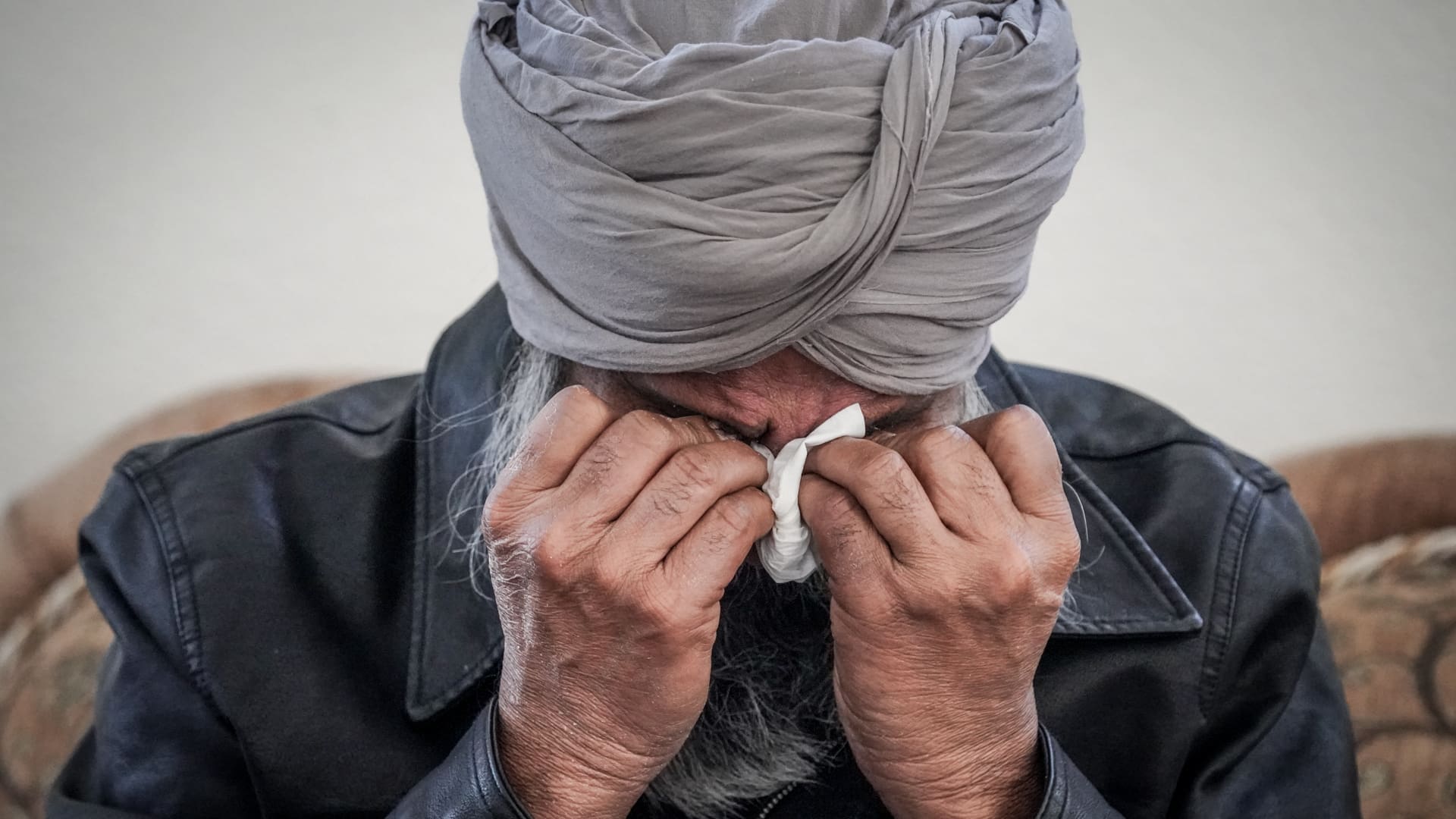
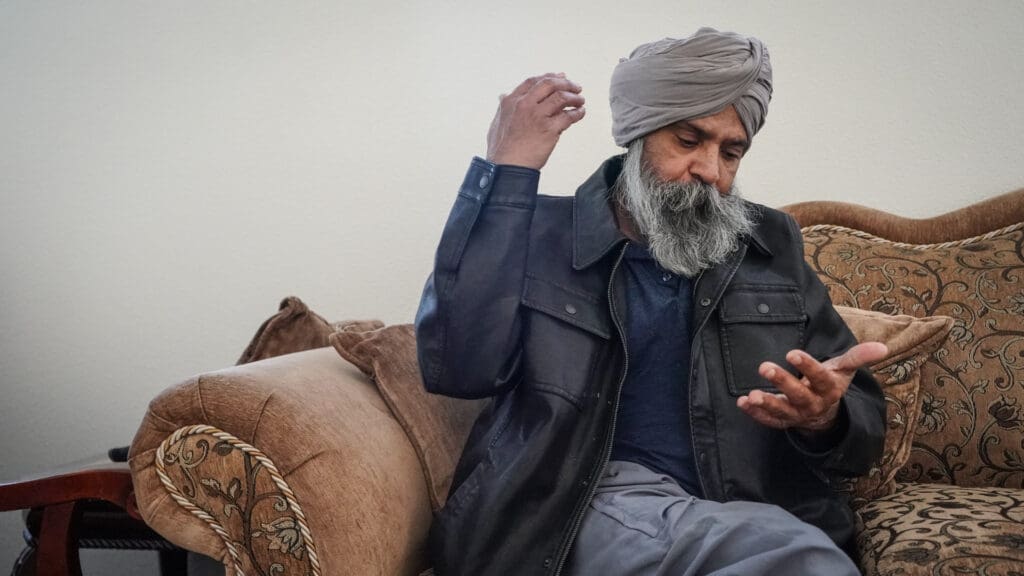
“Now, the month of March has been exceptionally challenging for me over the last 15 years,” Atwal said recently, tears in his eyes. “It has had a deep impact on my heart and family till now.”
The two men — both Sikh grandfathers and immigrants who had built quiet lives in Elk Grove — were walking through their neighborhood on Stockton Boulevard when they were shot.
The details of that day are etched in Kamaljit Singh Atwal’s memory.
Atwal, who was 44 at the time, had returned home from Modesto, having dropped off a load while working as a truck driver. He had set his phone to silent mode after arriving home around 3 p.m., as he often did. A family friend called repeatedly — up to seven times. It was his elder daughter who finally informed him about the continuous calls.
“She told me that uncle is calling you again and again, something has happened,” Atwal said in a trembling voice.
Sign Up for the Morning Newsletter
The Abridged morning newsletter lands in your inbox every weekday morning with the latest news from the Sacramento region.
Atwal rushed to the scene — a 10-minute walk from his house. The police had cordoned off the crime scene. He approached an officer to inquire about his father.
“The police officer questioned me, ‘How do you know it’s your dad?’” Atwal recalled. “I replied, ‘I got a call from my family, friends and members, they informed me that something happened to my dad.’”
Immigrant killings shocked community
The killings shocked the Sikh community across the United States. Gurmej Singh Atwal had immigrated to the United States at age 68 with his wife, Balbir Kaur, and his four children. Before coming to America, he had worked for the state government of Punjab, a north Indian state. Surinder Singh immigrated to the United States in 2005, when he was 60, according to a memorial plaque in a park later dedicated to the two men.
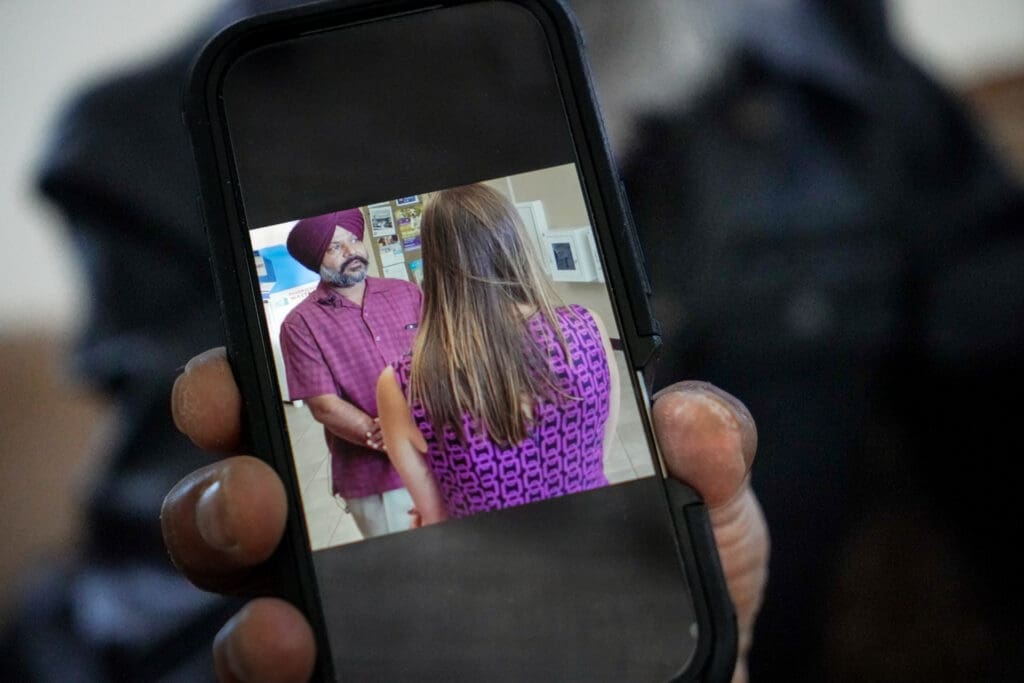
Singh’s granddaughter, Navi Kaur, had addressed the grief publicly. “Our grandfather was a peaceful man who adopted this country as his own,” Kaur had told the media and leaders gathered at a news conference in 2011.
“How can anyone shoot a man who posed no harm to anyone? He was a beloved father and a grandfather,” Kaur said in 2011. “He is with God now, and we just want justice for this senseless, cowardly act.”
Surinder Singh’s son Harvinder Singh also expressed the same bewilderment. “Anybody who would do these things, I don’t know why,” Harvinder Singh had said.
No closure extends grief
Amar Singh Shergill, a civil rights attorney based in Sacramento who has followed the case for the past 15 years, said the lack of answers has compounded the community’s grief.
“Here in Elk Grove, we don’t know the motivations yet of the murders that this person committed …,” Shergill said. “What we do know is that they had hate in their hearts and that they targeted Sikhs. We have to be wary that there are those who target us.”
New review launched six years ago
Sgt. Jason Jimenez, public information officer with the Elk Grove Police Department, said the case was pulled for a fresh review about six years ago.
“We made the commitment and allocated the resources to put fresh eyes on the case, review every single thing, and re-interview witnesses, leveraging advances in technology and techniques for DNA evidence,” Jimenez said in an interview at his office in Elk Grove.
The reinvestigation yielded no results. No new leads emerged.
“Unfortunately, those efforts did not produce any additional leads,” Jimenez said. “So we’re hopeful with your story, people may remember, come forward, any little piece of information will be helpful.”
Jimenez was a patrol officer in March 2011. “As a member of this community and someone who worked for this police department, that day still sticks with me,” Jimenez said.
The motive remains officially unknown. Jimenez said investigators have not been able to determine whether the killings were a hate crime or rule it out. “We don’t have anything that says either way. So the motive’s unknown,” Jimenez said.
Jimenez encouraged anyone with information regarding this investigation to come forward, regardless of how small they may feel it is. “It could be the biggest piece of the puzzle that our investigators are looking for to be able to identify,” Jimenez said.
Backlog of unsolved cases in California
The case also joined a staggering state backlog. According to the FBI’s Uniform Crime Report Data studied by The Murder Accountability Project, 52,480 homicides and non-negligent manslaughters went unsolved out of a total 137,493 in California from 1965 to 2023.
Approximately 300 unsolved cases of missing or murdered people remain in Sacramento County alone, dating back to the 1980s, according to data from the National Missing and Unidentified People System.
Sikh community unprepared to respond
The killings also exposed a painful gap. Shergill recalled that there was no organized infrastructure within the Sikh community to respond publicly to such incidents. “I worked with The Sikh Coalition, SALDEF, The Jakara Movement and others in the community to build infrastructure, to respond as a community,” Shergill said.
Shergill placed the killings in a broader, troubling historical pattern. “We saw that the Sikh community, particularly Sikh men who wear turbans, were targeted after the Sept. 11, 2001, terrorist attacks,” Shergill said. “Sikhs were killed at a Gurdwara, a worship place for Sikhs, in Oak Creek, Wisconsin, in what authorities called a hate crime.”
“We held open houses at the Gurdwaras. … We invited media into homes to meet with Sikhs, to help folks understand who we are, and how the community suffered after this incident. We were successful.”
Shergill does not blame law enforcement. “They did what they could,” Shergill said. “Unfortunately, we just have not been able to solve this crime, but those efforts continue.”
Is there a witness somewhere?
Shergill believes it is possible that a witness exists somewhere — someone who heard a conversation, saw something on that day or in the days after, but has not yet come forward.
“We encourage that person, or those people, to step forward and do the right thing, to help these families, and to help this community resolve this painful moment in our history,” Shergill said.
Deaths prompted bankruptcy
The losses compounded quickly and severely for Atwal. In the 45 days his father lay dying in intensive care, he did not report to work.
“I failed to pay house and truck payments, which got stopped and became bankrupt,” Atwal said in a shaky voice. He eventually managed to purchase a new home, only with a friend’s guarantee.
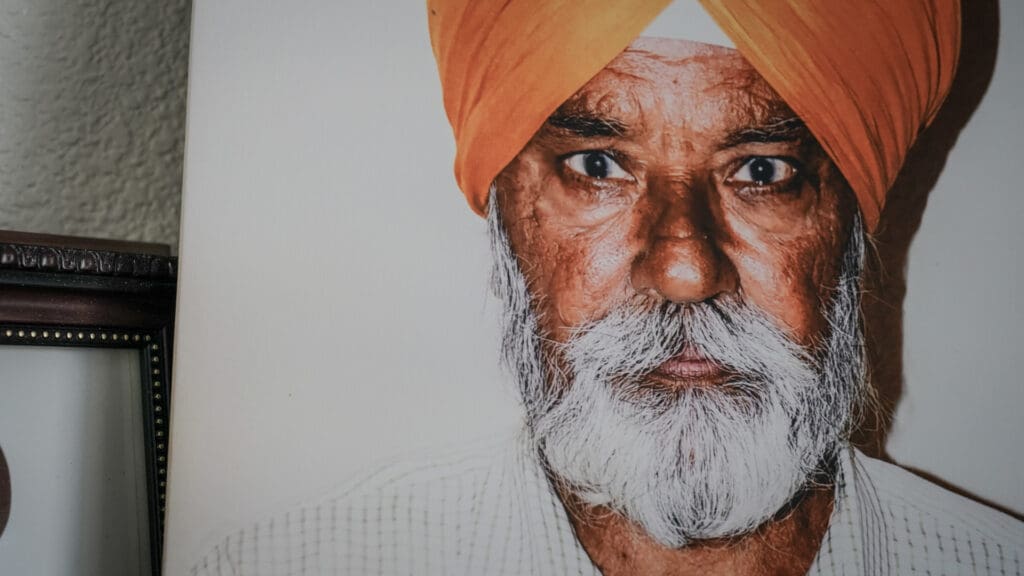
Atwal returned to the spot on Stockton Boulevard each March 4, for years after the killings. He eventually stopped, worried that an errant flame from the candles he placed could cause a fire in the dry landscape. Now, his wife lights a candle at home in front of a photograph of Gurmej Singh Atwal.
“She did on March 4 (this year), too,” Atwal said, tears streaming down his face.
Park dedicated on 10th anniversary
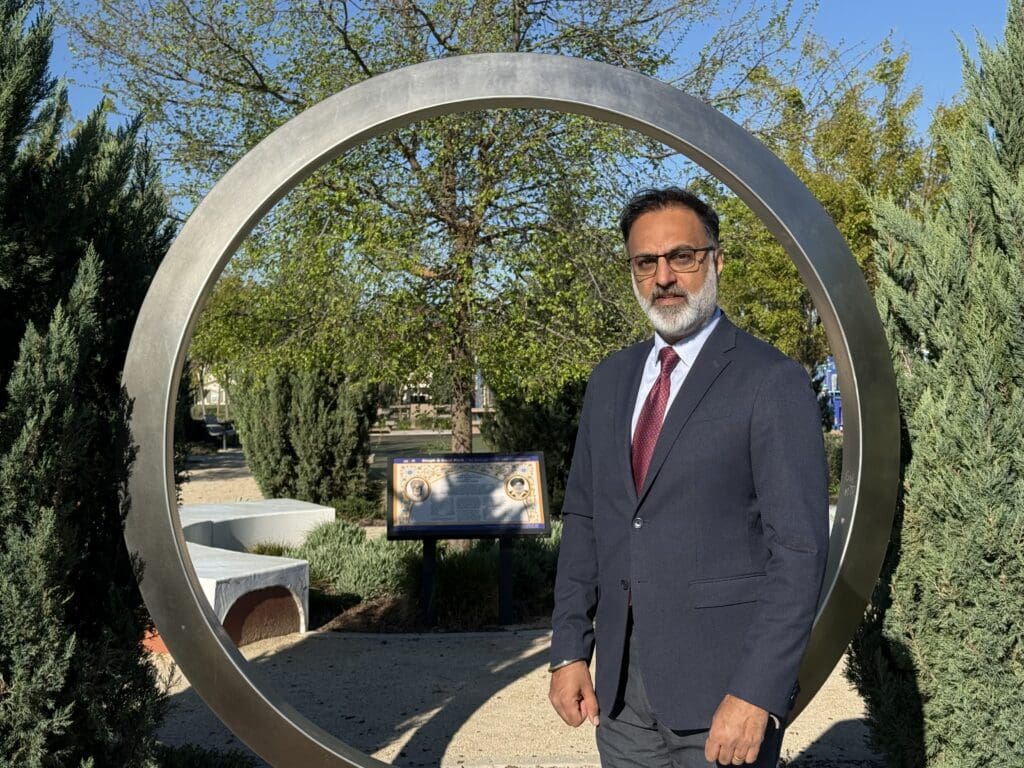
In 2021, the city of Elk Grove dedicated its 100th park to the two Sikh grandfathers — naming it Singh and Kaur Park on Ponta Delgada Drive. The name Singh translates to “lion.”
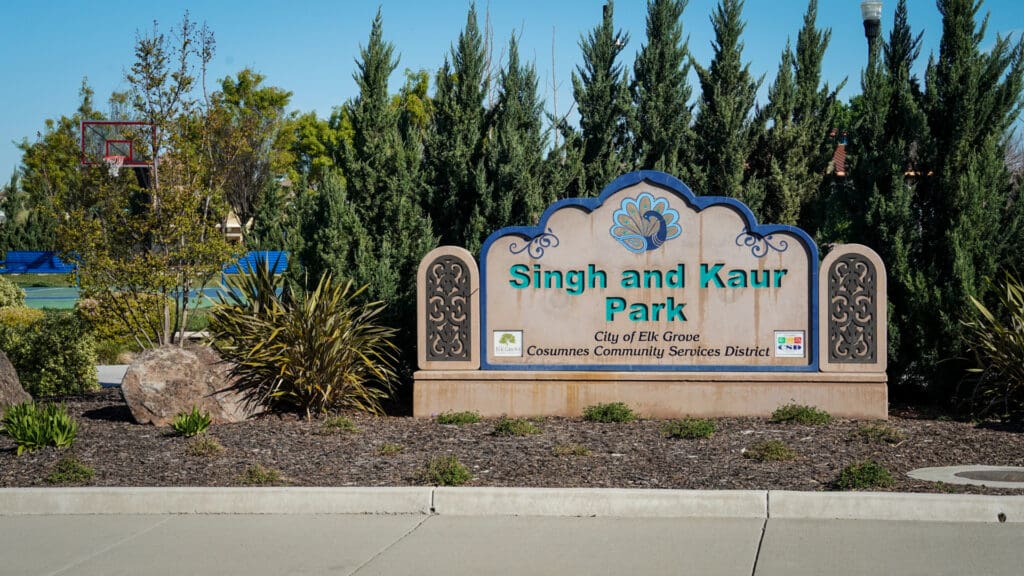
Kaur means “lioness,” or “princess.” It is a gesture of remembrance. For Atwal, justice is also a priority. “Justice is very important as of now, and also wants the case closed,” Atwal said.
Jimenez shares that hope. He has spent his career in Elk Grove, and this case has traveled with him through it. “I truly hope that by the time I retire, we can look back and this case will be closed,” Jimenez said. “And, the families can have some closure when it comes to this.”
Atwal said he has stopped chasing the police for updates.
“I still hope,” he said, “that my phone will ring or the police will knock on my door to inform me about the arrest of the killer of my father and Surinder Singh.”
Gagandeep Singh is an independent journalist based in Sacramento.