

The Abridged version:
- Last year, Rancho Cordova leaders approved plans for a large arena around which a new downtown for the city could arise. The initial agreement included hefty fee waivers for construction.
- Now, the city budget could be tapped for $38 million to cover those waivers, after leaders had promised the general fund would be protected, according to Councilmember Joe Little.
- The city maintains that the development agreement has not changed and the project will be “financed primarily by private capital.”
The city of Rancho Cordova may spend up to $38 million in public funding for a new arena planned in what officials hope would become the young city’s downtown, according to a Rancho Cordova City Council member.
That deal would contradict promises made over the last year that the project would not rely on city coffers and would source its funding from private investment.
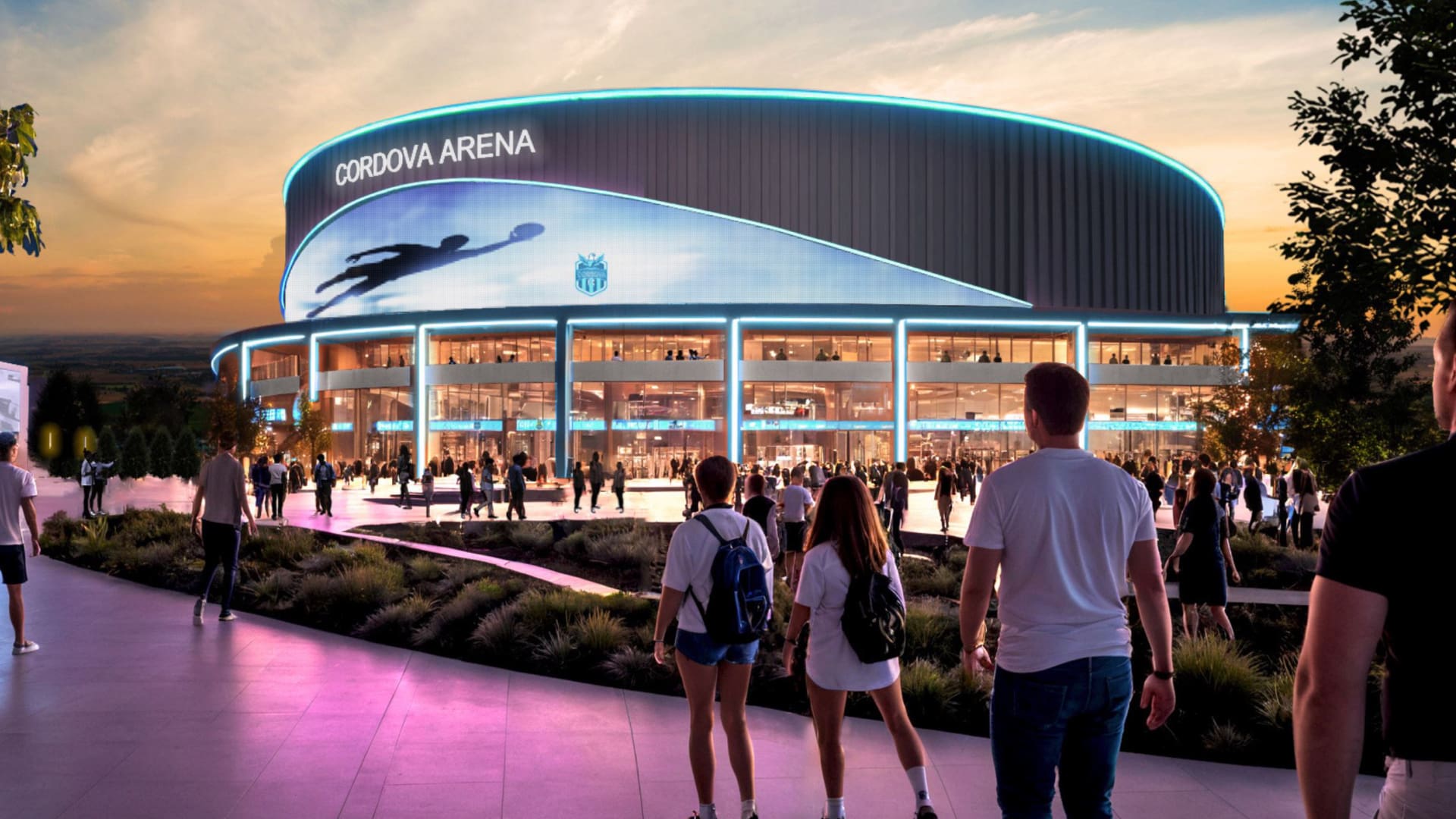
The arena, dubbed Downtown Dova, is part of a larger plan to create a central, walkable downtown area in Rancho Cordova. At the center of it would be a 7,500-seat sports arena that could host two major league indoor soccer teams.
The estimated $175 million arena is backed by local developers Joshua Wood, Charanjeet Tiwana-Purewal and their company KozPure Development, LLC. Construction for the full city center project, which would include housing, a public plaza and hotels, is estimated to cost $1.2 billion.
Sign Up for the Morning Newsletter
The Abridged morning newsletter lands in your inbox every weekday morning with the latest news from the Sacramento region.
When city leaders approved a development agreement for the project in September 2025, it included provisions that the developer could receive $25 million to $40 million in fee waivers. At the time, the city said the waivers would apply to costs like construction permits and environmental reviews, but would not directly affect the city’s finances.
“It was sold to council by staff and the developer as no one having to pay those, then sprung on us after the vote that someone does,” Councilmember Joe Little told Abridged by PBS KVIE.
City staffers are estimating that the city could eventually pay $38 million out of its general fund budget to cover the fee waivers, Little said.
“It’s particularly upsetting because the developer promised this wasn’t going to happen,” he said.
Wood told Abridged that the deal with the city has not changed and that the city is not sending developers any direct funding.
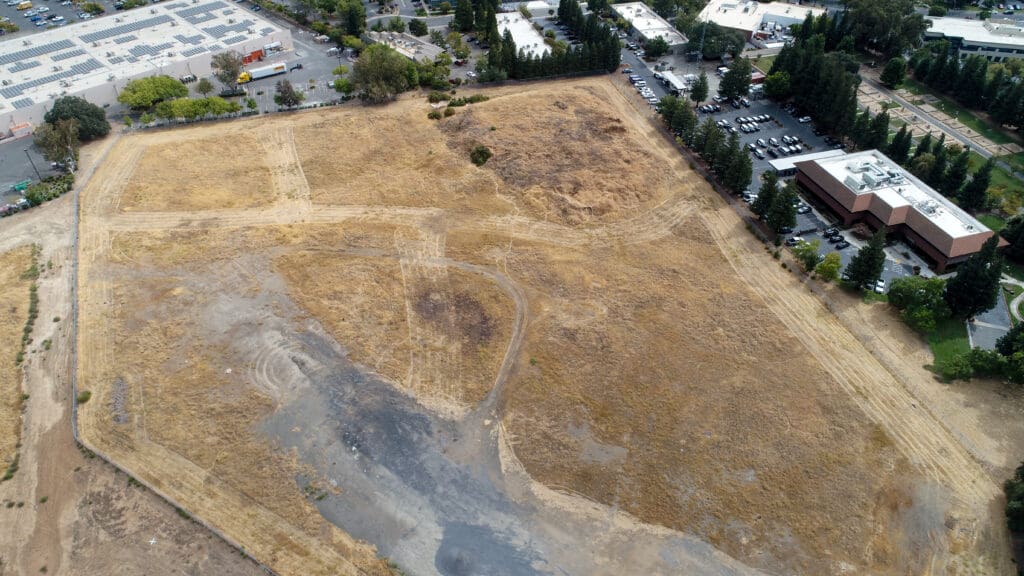
He said the recent rumors of a large “subsidy” that began to circulate in Rancho Cordova come as his company and the city are negotiating final pieces of a plan to purchase a 13-acre property for the site.
“This is a pretty blatant attack in the last hour,” Wood said.
City says project will mostly use private funds
The city of Rancho Cordova maintains that development agreements for the project remain relatively unchanged, spokesperson Maria Kniestedt said.
“This project will be financed primarily by private capital,” Kniestedt said in a statement. “Right now the city’s financial participation in the project is limited to pre-development activities.”
For the arena portion of the project, the city currently estimates it could waive up to $2 million in building permit fees and up to $8 million in development impact fees.
Additional fee waivers could come from larger parts of the Downtown Dova plan, which includes a public plaza, two hotels, apartment buildings and a retail and dining district.
In other projects, Rancho Cordova requires developers to pay impact fees to cover the cost of public facilities and infrastructure. Since the city is waiving those development impact fees, to cover the facilities and infrastructure costs, the city could initiate an internal transfer from its general fund into special investment funds that cover housing or traffic, Kniestedt said.
“The fees being covered, waived, whatever the term is, by the city has always been a part of this,” Wood said.
He added that the project will not receive any money directly from the city until it’s built. Under a tax agreement approved last year, the developer would be entitled to transient-occupancy taxes from new hotels on the site and the city would receive all sales taxes.
Wood said an economic impact analysis that his team commissioned found the project could have an economic output of $4.5 billion over the next 12 years and create thousands of jobs.
“It’s an incredible economic generator for Rancho Cordova and the community,” he said.
Last year, city leaders said general fund would be protected
In September 2025, the Rancho Cordova City Council approved an economic development agreement that established most of the plans for the Downtown Dova arena.
At the time, leaders hailed the project as not just an entertainment center, but a way for the city to set itself apart as more than a suburb of Sacramento. Multiple members of the council, plus city manager Micah Runner, emphasized that the project would not rely on the city for funding.
“The city is acting here as a partner and a facilitator, not a funder,” said Councilmember David Sander, before voting in favor of the agreement.
A presentation made before the council also detailed that the city’s general fund would be protected.
“The city would not be required to advance funds, pledge its General Fund, commit to establish any tax not now in existence,” the presentation stated.
Statements on the Downtown Dova website maintain that the project would be privately funded. The frequently asked questions page includes a question on “Who is funding this project? Is taxpayer money involved?”
The answer below it reads: “This is a privately funded project with no upfront taxpayer subsidies.”
City approved $940,000 waiver in January
Waivers and subsidies for the project are already beginning to add up.
In January, the council approved a $940,000 subsidy to cover fees for the first phase of development, including design and environmental reviews.
Councilmember Little said he remains skeptical of the economic benefits the city will receive from the project, especially with the tax sharing agreements that are already in place.
“If the private market has decided that this isn’t a worthy investment, why should the public step in?” he said.