

The Abridged version:
- A pipeline carrying water from a long-planned reservoir into the Sacramento River is planned to cut across part of Yolo County, where farmers worry it could flood their farmland.
- The pipeline would cover about 4 miles and send water from Sites Reservoir, which officials expect to begin building later this year, throughout the state in times of drought.
- Farmers worry the pipeline would fill the drainage canal bordering their rice fields with too much water, causing it to flood during spring and summer months crucial for the crop.
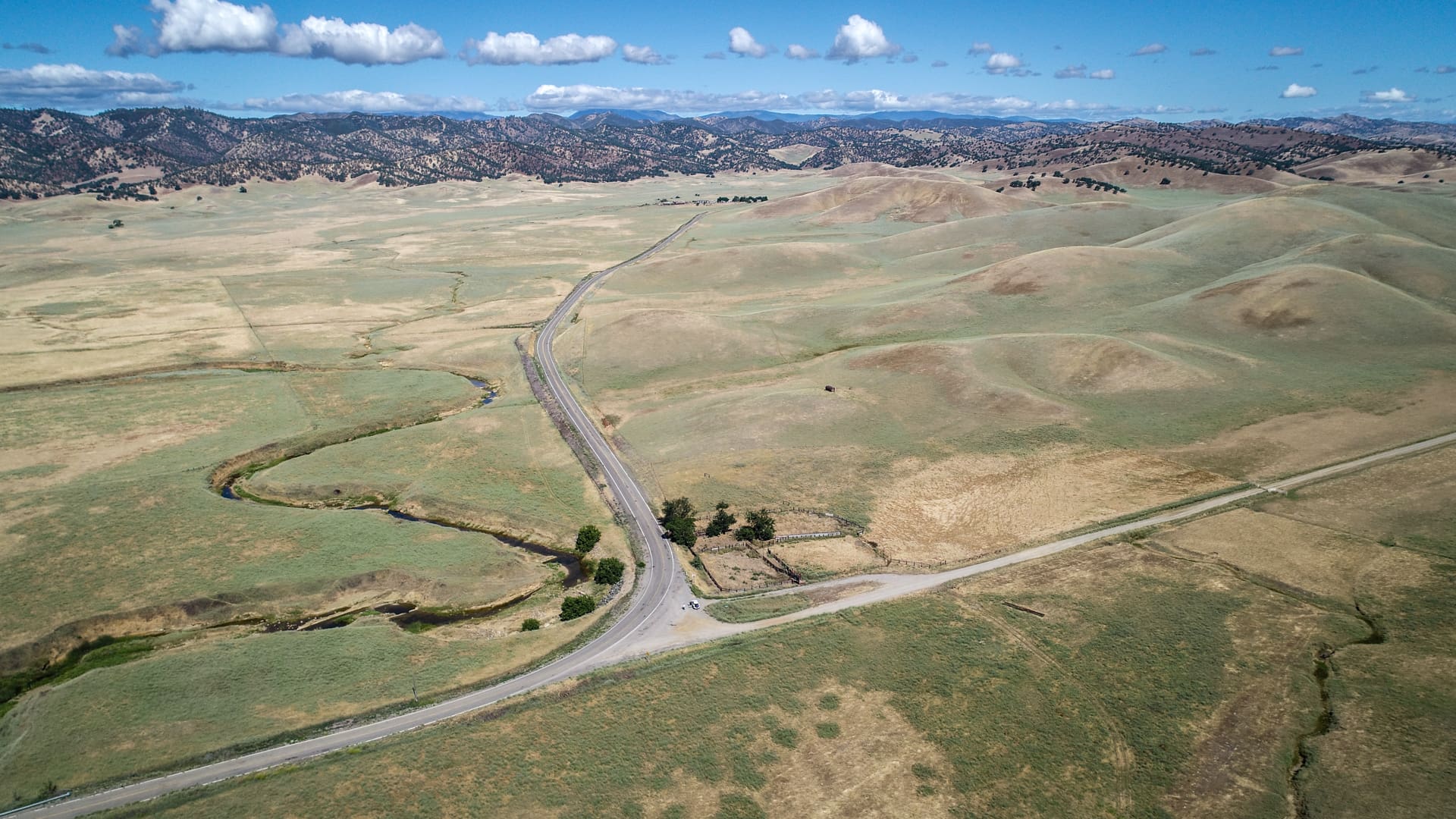
David Schaad carefully floods his rice fields to a shallow depth each spring.
The crop matures through the summer in the part of northern Yolo County that his family farmed for generations. It will be ready for harvest by fall, well before winter rains bring the chance of flooding from the nearby Colusa Basin Drain.
That cycle remains on track, but plans to build a pipeline near his property has Schaad and neighboring landowners worried it may bring disruptive summer floods.
“It’s a whole lot of water,” said Schaad, a fifth-generation Yolo County farmer.
About 40 miles north of Schaad’s farm, a new reservoir the size of Lake Berryessa is planned for a remote valley at the border of Colusa and Glenn counties.
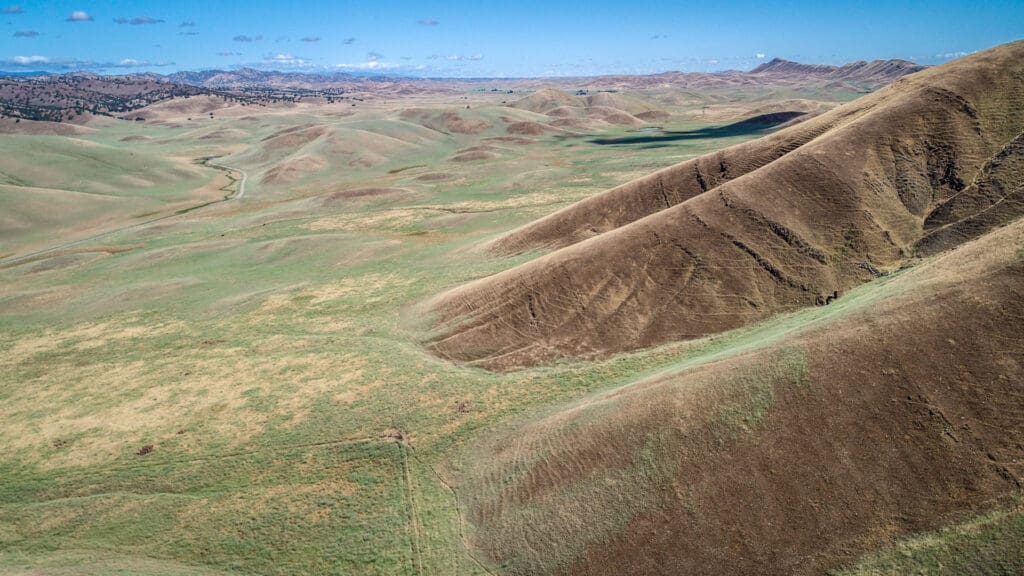
The reservoir will store diverted Sacramento River water for agencies and districts that have bought into the project, many of which are hundreds of miles south.
To reach those places, as far as San Bernardino, Irvine and Los Angeles, the water first needs to navigate its way down the length of the state through a network of canals dug by Californians over the last century.
But those canals don’t all connect. To solve that, project officials plan on building a 9-foot diameter pipeline across 4 miles on the northern edge of Yolo County near Dunnigan, the small town where Schaad farms his land.
He and a group of local farmers are worried that the volume of water moving through the pipeline could overwhelm the existing canal, flood their fields and put their livelihoods in jeopardy.
An approved pipeline
The Tehama-Colusa Canal, which runs north to south along the western edge of the Sacramento Valley, will function as the primary outlet for Sites Reservoir, a long-planned water storage project. Its construction has been approved to begin later this year.
The largest California reservoir project in decades, the reservoir will collect and store water in wet years and release it to customers during dry ones.
When it does, it will start in the Tehama-Colusa Canal, which dead-ends just south of Dunnigan. To continue, the water needs to cross miles of farmland, roads and Interstate 5 to reach stakeholders in Southern California and elsewhere that have invested in the project.
Engineers from the Sites Project Authority, which is in charge of building the reservoir, designed a solution in the form of the pipeline, which would run underground and dump into the Colusa Basin Drain. From there, the drain feeds back into the Sacramento River.
“The Dunnigan pipeline is an important piece of the overall Sites project,” said Jerry Brown, executive director of the Sites Project Authority. “It is one of several pieces of conduit that gets water out of the reservoir and back into the Sacramento River, where it then gets conveyed to those that are receiving the benefits of the project.”
Before moving ahead with construction, Sites officials need to enter into a development agreement with Yolo County that will ensure consistent regulation and solidify the Sites Project Authority’s commitment to local mitigation efforts.
The agreement came before Yolo County supervisors at the beginning of June. After hearing concerns from local residents about the pipeline, county officials punted it to a meeting later this month.
Supervisors don’t have the power to deny the Dunnigan pipeline, which has received the official approvals it needs, but the agreement is crucial to ensuring the construction process goes smoothly.
“The decision is already made, but we’re talking about the impacts,” Supervisor Angel Barajas said of construction’s potential to degrade local roads.
Flooding concerns
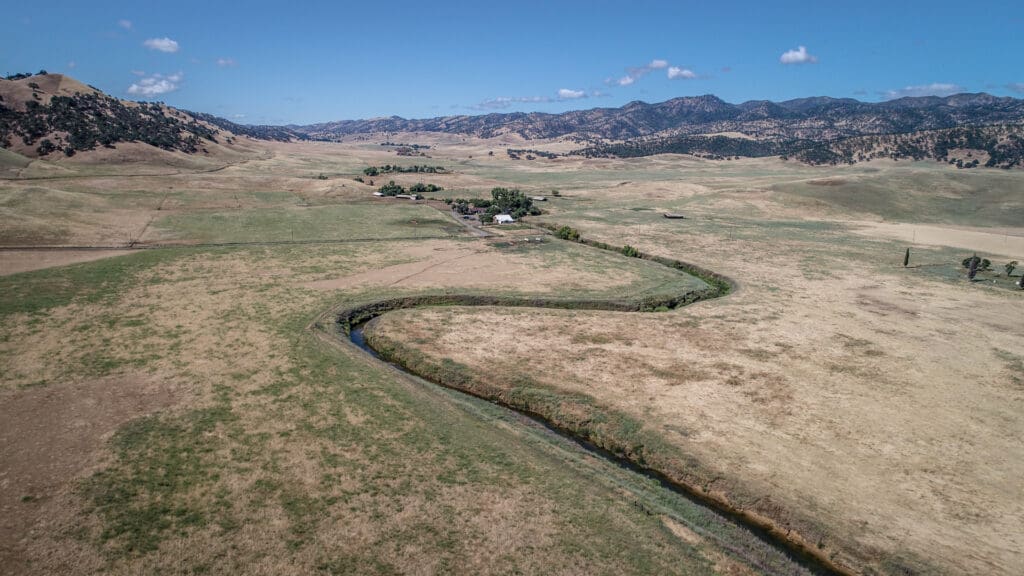
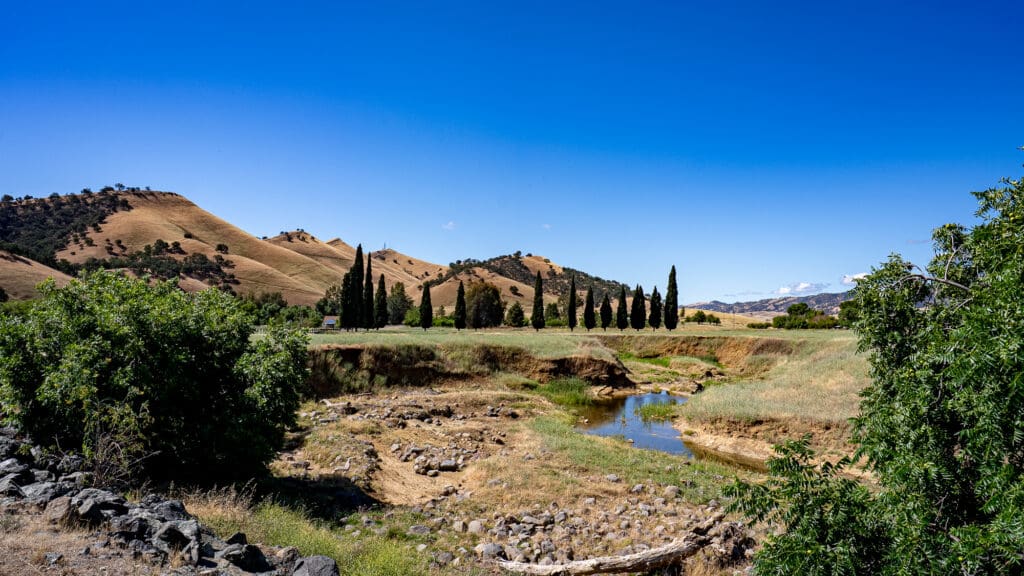
Schaad and other landowners whose properties are next to the Colusa Basin Drain have concerns. The nearly century-old canal was originally designed to flood along its western edge during high-water winter months and keep from spilling the rest of the year.
Neighboring landowners planned their crops around that design, planting rice in the spring and harvesting in the fall before flood risk increases.
But releases from Sites Reservoir and the Dunnigan pipeline, which could be up to 1,000 cubic feet per second, are planned for the warmer months when reserve water is needed across the state. If those pulses overtop the levies while the rice is growing, Schaad said, the water meant to stave off drought could devastate the crop.
“It only has to do it once to have a financial impact,” Schaad said.
Brown said the Sites Project Authority has studied ways to mitigate the problem.
The project authority’s modeling shows that water levels and flooding could become a concern for a couple of weeks in August and September. Brown said the agency is looking into lowering flows during that time or shoring up levees around the drain.
“There’s numerous things we could look at doing before we get to a place where we say, ‘Well, this just isn’t going to work,’” he said.
That happened to the authority’s original design for a pipeline, which was planned farther north in Colusa County, but was met with landowner pushback and eventually scrapped.
“There was a lot of controversy about that alignment and that pipeline,” Brown said.
The Delevan pipeline, as it was known, would have been significantly longer than the one in Dunnigan and used pumps to move water to and from the reservoir.
The Dunnigan pipeline is shorter and relies on gravity to move water, a decision that Brown said was on purpose.
“It’s intended to be short, but it’s also intended to be less disruptive and less impact on the adjacent landowners and their operations,” he said.
Asking for more
Schaad’s fields are quiet this time of year. After the flurry of activity in the spring, early summer is the time to wait for crops to grow.
Running alongside the growing rice is the Colusa Basin Drain, where water slowly moves south toward the Sacramento River. For a century, it has done what it was designed to do: flooding in the winter and holding water during rice season.
Once the pipeline is built, more water will rush into the drain on its way to other parts of the state. That may change the way farmers around Dunnigan cultivate land their families have held for generations.
Daniel Hennessy joins Abridged from the California Local News Fellowship. He’s a reporter covering Yolo County.