

The Abridged version:
- The Sacramento City Council approved a new pilot program for cannabis lounges where people will be allowed to legally consume cannabis in public.
- The pilot program includes two different permit types, one for smoking and vaping, another for nonsmoking products, such as edibles.
- One Midtown Sacramento dispensary is already advertising itself as “Sacramento’s first cannabis consumption lounge” and has sights on opening a lounge on J Street.
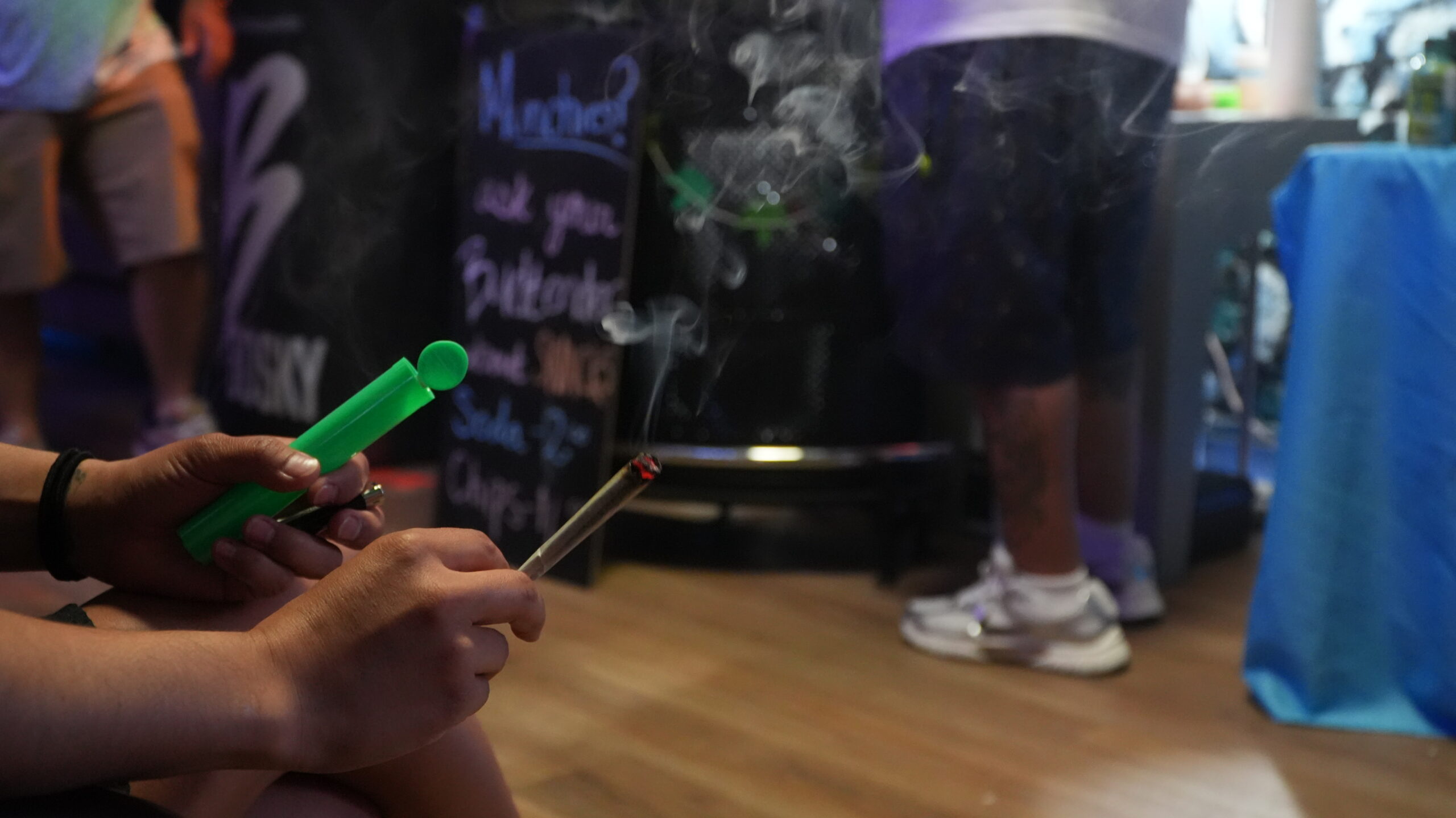
New lounges where customers can purchase a joint and light it up in the same place are poised to open in the city of Sacramento.
The Sacramento City Council voted 6-1 on Tuesday in favor of a new pilot program for cannabis lounges with “on-site consumption.” Councilmember Karina Talamantes was the sole vote against the program.
The vote opens the door for the city’s 38 dispensaries to begin applying for the program. The number of dispensaries that will have enough space and resources to open a lounge, however, is likely to be much smaller.
“I have driven around and seen many of these storefronts all over the city and probably only a third get close to qualifying,” said Councilmember Lisa Kaplan. “For me, I’m not worried about the overproliferation.”
Sacramento has been weighing how to roll out the pilot program for the past two years. The latest approval sets the stage for dispensaries to apply for a “first-in-line” process, deeming which locations will receive a permit.
Smoking and nonsmoking lounges
The city plans two allow two different types of permits, a Type 1 permit for nonsmoking products, such as edibles, and a Type 2 permit that would allow for smoking and vaping. The Type 1 permits come with a $7,238 annual fee, and the Type 2 permits would be required to pay $9,651 a year.
Businesses in the city’s cannabis equity program — aimed at helping business owners from communities disproportionately affected by the war on drugs — are exempt from the fees.
The city is also setting strict standards around ventilation to limit smoke indoors and to prevent odors from leaking outside. The city is also capping the size of the lounges at 1,500 square feet, or half the area of the dispensary — whichever is smaller.
Lounge locations face vetting
Each of the lounge applications have to go before the council again for a conditional-use permit. The council is also set to have another hearing later this year on the “equitable distribution” of lounges across different parts of the city.
The city is planning on using a “first-in-line” process to judge applications based on when they are submitted and if they have the adequate materials in their application, such as security measures and licensing.
Multiple dispensary owners told the council Tuesday night that the cost of ventilation and the permitting fees could narrow the number of places interested in adding a lounge.
Mindy Galloway, who owns The Pocket Dispensary, told the council that the application requirements were too expensive.
“I was planning to do an on-site consumption lounge, but after reviewing my budget it doesn’t look like it would be feasible to me,” Galloway said.
Last year, a city survey found that only five dispensaries said they had enough space to add a cannabis lounge. Three other dispensaries told the city that it would take between six and 36 months to build enough improvements to add a lounge.
Dispensaries vying for ‘first in line’
At Tuesday’s hearing, two dispensary owners expressed strong interest. Those included the owner of A Therapeutic Alternative, a dispensary near McKinley Park, and Crystal Nugs, a dispensary in Midtown Sacramento.
A banner on the Crystal Nugs website already describes its dispensary at 23rd and J streets as home of “Sacramento’s First Cannabis Consumption Lounge.” The site states that the “lounge caters to all” with flower, concentrates and edibles, plus luxury seating and curated lighting.
Maisha Bahati, cofounder and CEO of Crystal Nugs, estimated that even under the quickest timeline, it would likely take her business another year to complete the ventilation improvements and receive final approvals from the city.
Felicia Alvarez is a reporter at Abridged covering accountability. She’s called Sacramento home since 2015 and has reported on government, healthcare and breaking news topics for both local and national news outlets.