
The Abridged version:
- Sacramento City Unified School District’s enrollment practices violated multiple state laws, according to an investigation by the California Attorney General’s Office.
- The process of “ConCapping” and open enrollment disadvantaged students of color, students experiencing homelessness and lower income families, the investigation found.
- Certain “highly sought after” schools also placed further barriers in the enrollment process, which led to an underrepresentation of Black and other marginalized students, according to the attorney general’s office.
This story was updated at 12:55 p.m., Jan. 9, with additional information.
Sacramento City Unified’s enrollment practices violated state laws and disadvantaged students of color, students experiencing homelessness and lower income families, according to an investigation by the California Attorney General’s Office.
In a settlement between the attorney general and the district, announced Friday, Sacramento City Unified will follow an “extensive five-year plan” of reforms. These include additional staff training and additional educational services for impacted students.
“Every student has the right to equal access to a quality public education. That starts with enrollment,” Attorney General Rob Bonta said in a statement.
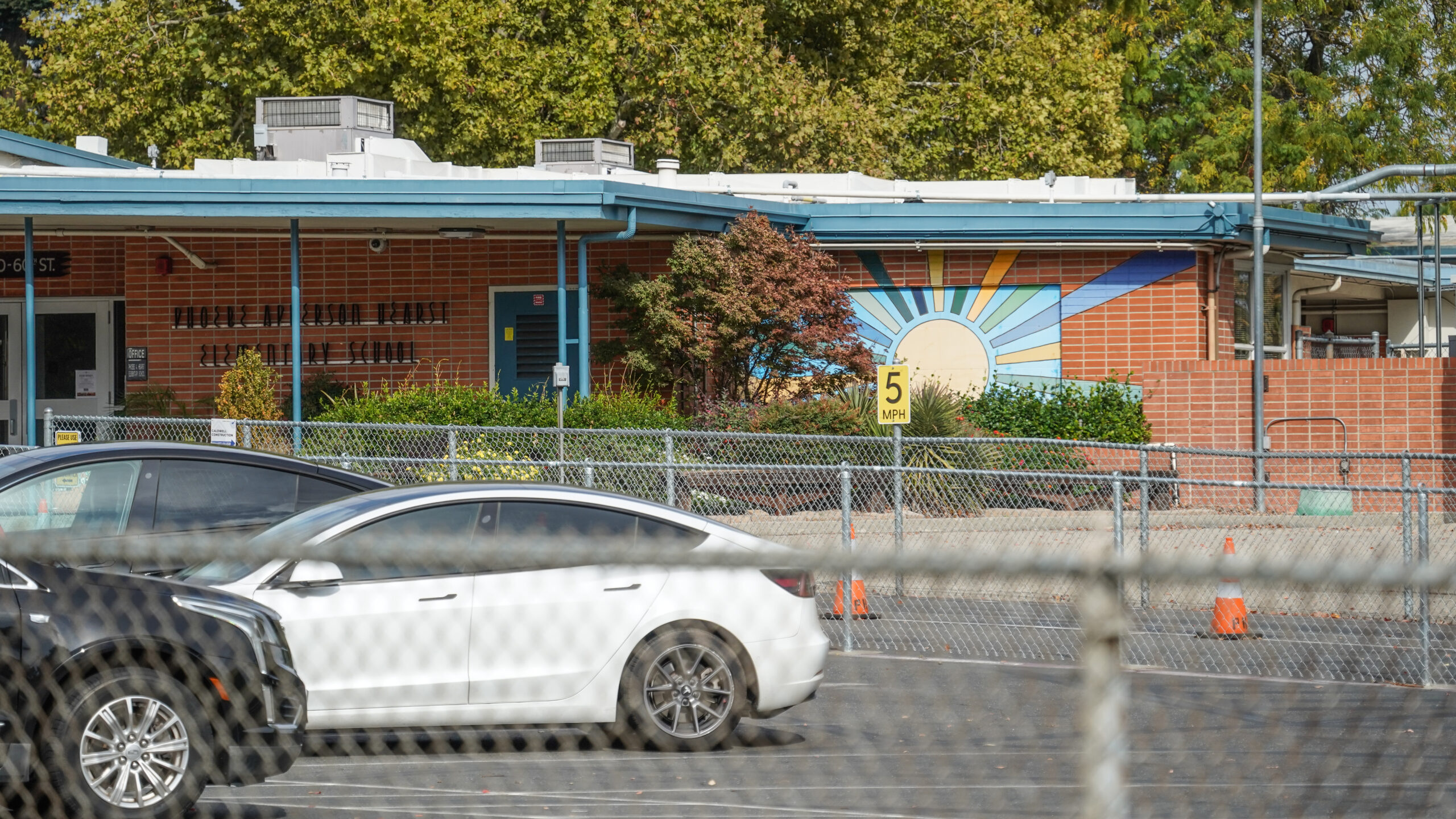
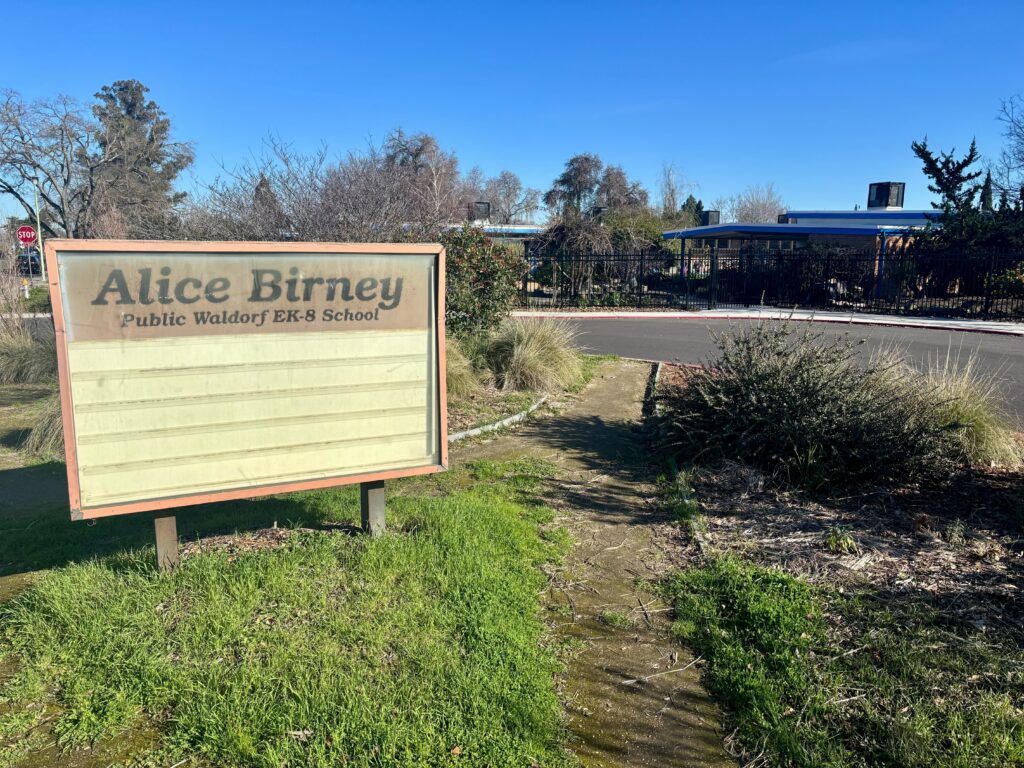
His office began its investigation in July 2024 into the district’s enrollment procedures, including the practice of “ConCapping” and the open enrollment lottery system. Specific schools, including Phoebe Hearst Elementary and Alice Birney Elementary, were highlighted in the attorney general’s complaint for creating discriminatory barriers.
Sacramento City leaders said they have cooperated with the Department of Justice but denied that the issues identified were widespread or deliberate.
“We believe strongly in the principles of equity and access,” Sacramento City Unified Superintendent Lisa Allen said in a statement. “While we stand by our enrollment practices, we recognize there are areas where the district can further improve. Sacramento City Unified looks forward to the support of the Attorney General’s Office as we continue implementing process and procedural changes for the benefit of all students and families.”
“Every student, regardless of background, or ability, or the neighborhood they’re from, deserves access to the schools and programs that best serve the whole student,” school board President Tara Jeane said in a statement.
“We are committed to doing the work that will continue to improve our enrollment processes for equity and accessibility,” she continued. “With this agreement, it is our hope that Sacramento City Unified’s open enrollment may become a model that public school districts across California can consider.”
‘ConCapping’ hits marginalized students
Under the process known as contract capping, or “ConCapping,” students can be transferred, weeks into the school year, from a school where class size caps have been reached to another with class spaces.
The investigation found cases of unnecessary reassignments that likely resulted from arbitrary or inaccurate calculations by the district.
And, according to the attorney general, Black, socioeconomically disadvantaged or unhoused students faced “ConCapping” at disproportionate rates.
“ConCapped” students faced higher rates of absenteeism or tardiness, lower academic performance and behavioral issues, the investigation reported. Some left the district altogether.
Bias in the open enrollment lottery
Sacramento City Unified also ran into issues with its open enrollment process, according to the attorney general.
Among the issues, the investigation found, were requirements that favored higher income, well-educated families.
Because the entire enrollment process was online only, parents had to have access to a computer and internet at home. Or they could travel to the district’s central office — taking as long as a 90-minute commute by public transportation for some families lacking car access, according to the complaint.
The enrollment directions and communications “require a 12th-grade education to review and understand,” the attorney general wrote. And the time to apply for open enrollment was a “brief” two-week window in February.
Certain schools added further barriers
Also, the investigation reported certain “highly sought after” schools made the process even more difficult for disadvantaged families by requiring school visits during the workday or volunteer hours in exchange for admission.
Alice Birney Elementary and A.M. Winn Elementary required a “separate, lengthy questionnaire” as part of the application process, the investigation found.
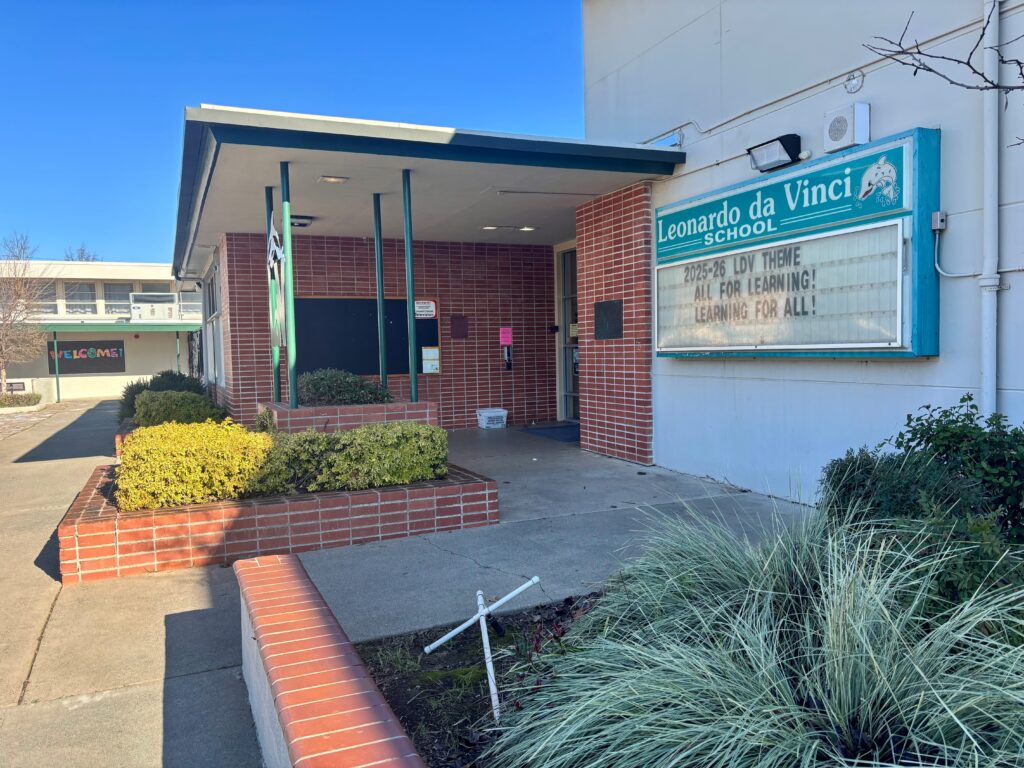
Leonardo Da Vinci TK-8 School reportedly mandated volunteer hours in their parent and student handbook as recently as 2024.
These barriers led to these schools having an underrepresentation of students of color, English learners and socioeconomically disadvantaged students, compared to the district’s overall demographics, analysis by the attorney general’s office determined.
‘Entrance exams’ raise red flags
The attorney general’s office took issue, too, with entrance exams at Phoebe A. Hearst Elementary School and Camellia Basic Elementary School, which they said may have discriminated against students with disabilities.
Problems with the exam included a lack of accommodations for students with identified needs and disadvantages for young students coming from low income families.
“Finally, there appeared to be no legitimate justification for these exams,” the attorney general wrote in his complaint.
“Numerous school districts around the country have removed entrance exams for elementary schools because they are ineffective at identifying high performing students, and because they create unlawful barriers to high quality schools,” he added.
District faces financial, legal woes
The settlement comes as Sacramento City Unified faces a multimillion-dollar budget crisis and a recently exposed investigation into one of its top budget officers.
Assistant Superintendent of Business Services Cindy Tao has been the subject of an internal investigation, for allegations of fiscal mismanagement, since November, district spokesperson Brian Heap confirmed.
A group of whistleblowers raised concerns to the school board in an anonymous email Tuesday. The Sacramento Bee was first to report the news. Tao remains in her position during the investigation.
Meanwhile, the district could be out of cash and forced to turn to the state for a bailout as soon as this summer.
It is unclear what the enrollment process reforms, ordered by the Sacramento County Superior Court, will cost the district.
The changes include the hiring of a deputy chief of schools, who will oversee enrollment and ensure the district is following the law. The salary for the position will start at $161,909.
Savannah Kuchar is a reporter covering education. She came to Sacramento to be a part of the Abridged team and contribute to a crucial local news source.