

The Abridged version:
- UC Davis and federal weather researchers found a critical 15-day window when endangered Sacramento River winter-run Chinook salmon eggs need cold water to survive.
- The evidence suggests that survival rates decrease dramatically even if the water temperature rises by less than 2 degrees.
- These Chinook salmon evolved to spawn in cool mountain streams but are blocked from returning by Shasta and Keswick dams.
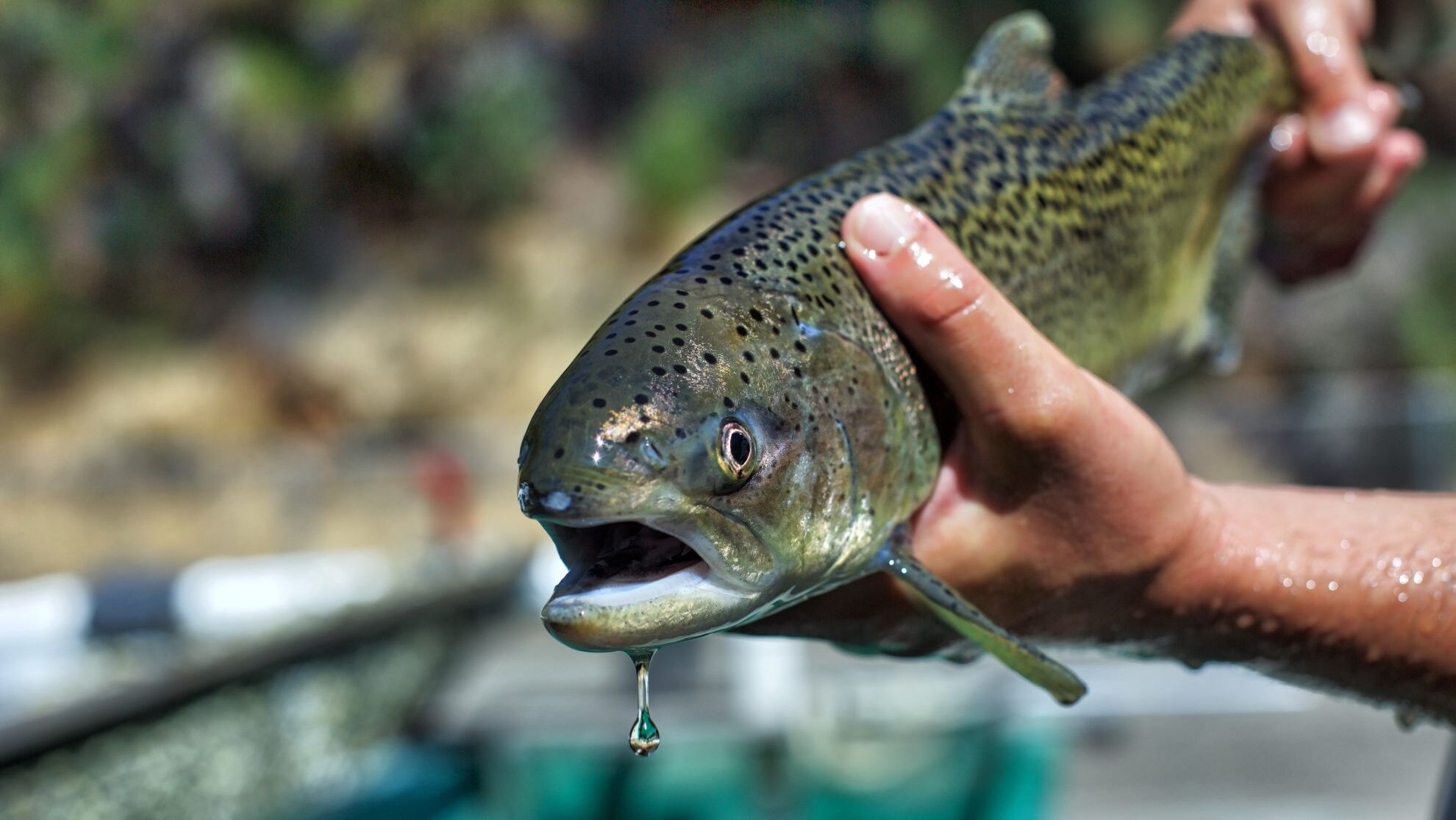
The journey home for a Sacramento River winter-run Chinook salmon is a long one.
After spending most of its adult life in the ocean, the fish is drawn eastward, back to the river of its birth and eventual death. To get there, it dodges fishing boats and sea lions as it passes beneath the Golden Gate Bridge, making its way to the Sacramento-San Joaquin Delta and up the Sacramento River, where it travels hundreds of miles to the foot of Shasta and Keswick dams.
Historically, the fish kept going, up into the cool mountain creeks where it would spawn. Now hulking dams block its passage, forcing it to spawn in the warmer, less predictable Sacramento River.
In part because of that, the fish’s overall population has plummeted, leading wildlife managers to designate the Sacramento River winter-run Chinook an endangered species.
“Winter run Chinook salmon are considered endangered and at high risk of extinction largely because they are relegated to that one population and it’s outside of their historical range,” said UC Davis and National Oceanic and Atmospheric Administration fisheries researcher Rachel Johnson.
Sign Up for the Morning Newsletter
The Abridged morning newsletter lands in your inbox every weekday morning with the latest news from the Sacramento region.
For years, the importance of water temperature for salmon survival has been accepted. But scientists and fisheries managers have had trouble drawing a direct link between warmer water and the death of eggs or juveniles.
But now Johnson and a team of researchers from UC Davis and NOAA have some answers.
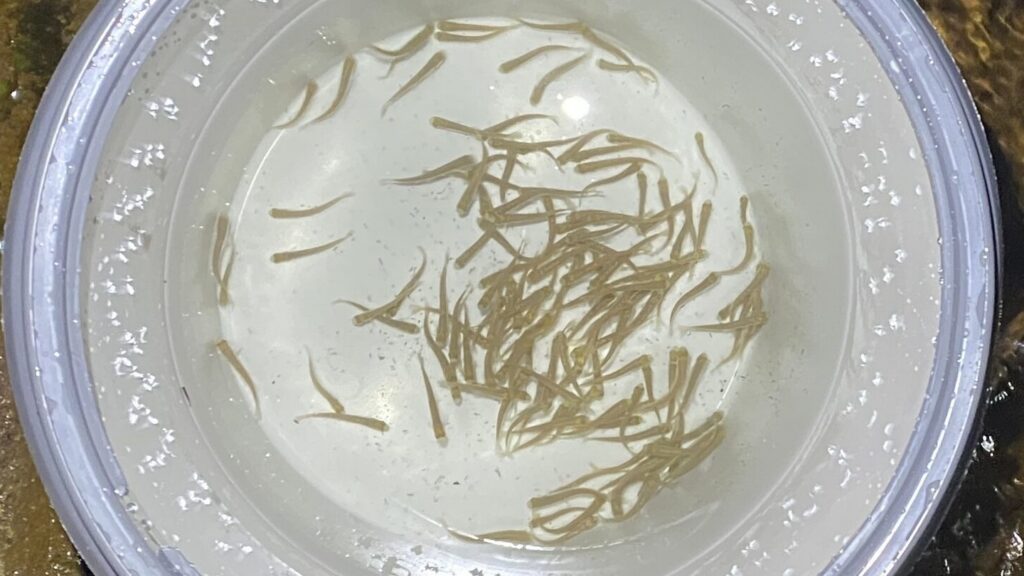
According to a report released Friday, the scientists have identified a 15-day window when fertilized salmon eggs need cold water to survive. Without it, their prospects for survival are slim.
On life support
Sacramento River winter-run Chinook salmon evolved to spawn in the cold, spring-fed creeks of the McCloud River watershed in Northern California.
“Their behaviors and their biology and their genetics are finely tuned to the timing of that reliable cold water that they no longer are in alignment with that habitat,” Johnson said.
When Shasta and Keswick Dams went in, the fish were cut off from their spawning grounds, forced to reproduce in the warmer Sacramento River.
To mitigate this, fisheries managers release cold water from the bottom of the reservoirs for the salmon, a practice that Johnson referred to as “life support.”
“We’re kind of managing and trying to mimic that resource for them,” she said.
But the climate is changing and there are lots of demands on the water from Shasta and Keswick. That can be especially true in drought years like 2014-2015, when Shasta Reservoir was running low on cold water that could be used for the fish.
The stakes for the salmon are high. According to the study, each water temperature increase of just under 2 degrees means the survival probability of recently fertilized eggs drops 73%.
“As we’re experiencing expected greater magnitudes of extreme droughts and floods in our climate future, really having those fish in that one population below the dam makes it very tenuous to think about being able to sustainably manage them with the limited water resources that we have,” Johnson said.
Ear bones and survival rates
The key to this study was salmon ear bones, called otoliths.
“One of the really cool things about salmon is that they’ve got these ear bones that record a lot of information about their early lives,” Johnson said.
Using an advanced microprobe at UCLA, the researchers looked at the otoliths of Sacramento River Chinook from 2021 to track what kind of environment they were born in.
“One of the things we were able to do was back-calculate their birth dates,” Johnson said.
What they found was that, despite salmon naturally spawning over the course of a few summer months, the survivors came from redds that were fertilized in a very short one- to two-week period.
That indicates that many of the fish that spawned outside of that window did not have offspring that survived, even if lots of fish were actively spawning.
“Only a very small, narrow fraction of the spawning population is actually being successful in particular years,” Johnson said.
By identifying fish from successful redds and comparing their conditions to those from ones that did not produce juveniles, the researchers were able to home in on what kinds of environmental factors are better for salmon survival.
“This approach allowed us to really ask the fish themselves their story, their history,” Johnson said. “What conditions did you experience when you were in the redd that allowed you to survive?”