The Abridged version:
- Parents across the Sacramento region said they’ve had to go outside the public school system to find the right services for their children with disabilities.
- Some turned to homeschooling, while others found private schools dedicated to special education.
- Many public school districts are limited in what they can offer, with fewer resources like time, money and personnel.
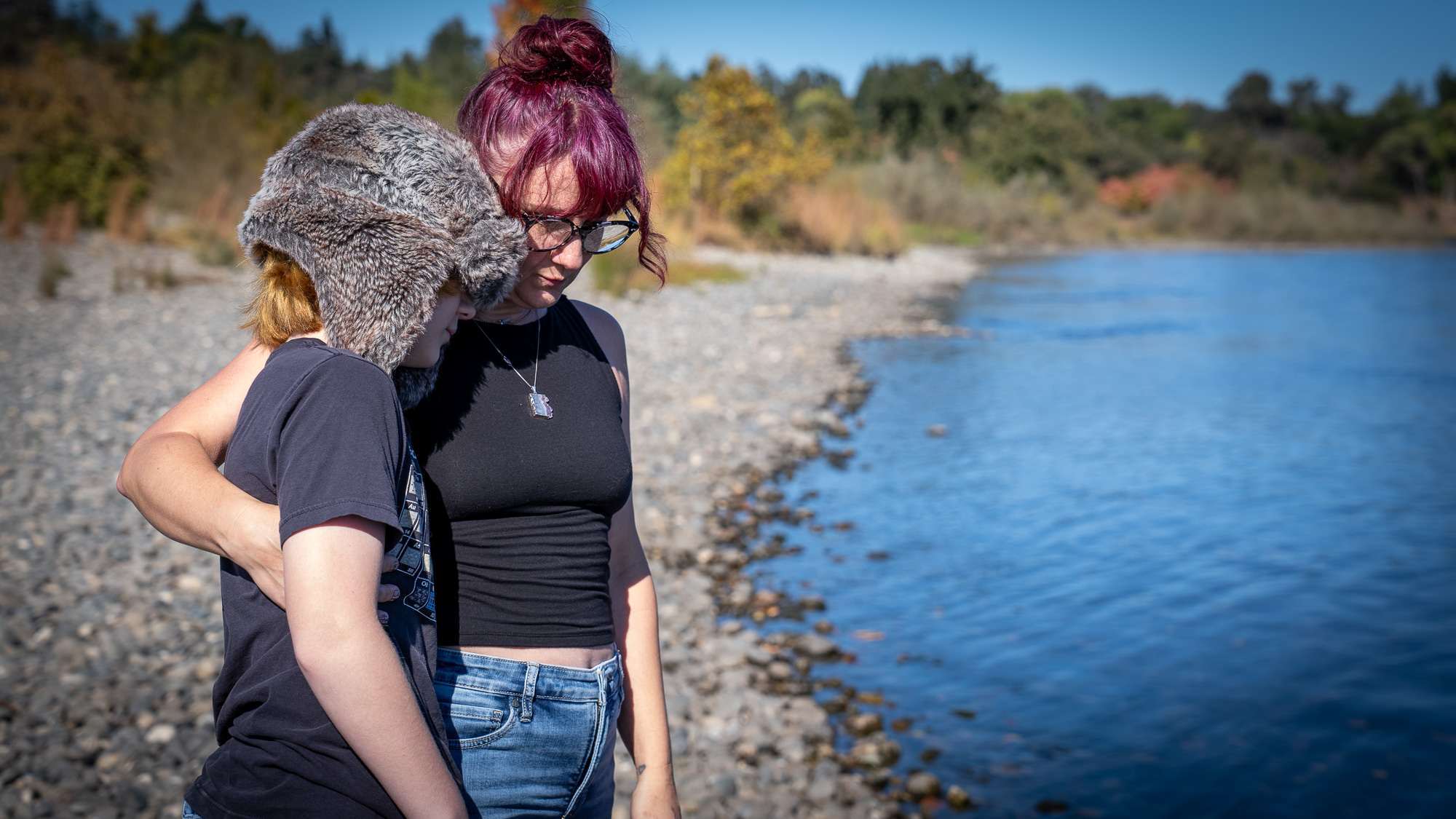
By late October, Sarah Barthelmess’ son still wasn’t in school.
What was supposed to be his sixth grade year was so far spent not in classrooms or alongside peers but at home, alone, playing video games and otherwise killing time.
“He’s languishing,” Barthelmess said. “And there’s nothing I can do about it.”
“He misses school,” she added.
At 11, her son has been in three different Sacramento-area districts and enrolled at various campuses, including nonpublic schools, which contract with districts and cater to students who have disabilities. Barthelmess’ son has autism, a diagnosis she said they discovered after he started school and began having behavioral issues.
She and other parents across the region said they have struggled to find the right environment for their children within the public school system.
Some turned to homeschooling. Others have found support at private schools dedicated to special education. Still more, like Barthelmess, continue to look for a solution.
Services fall short for some students
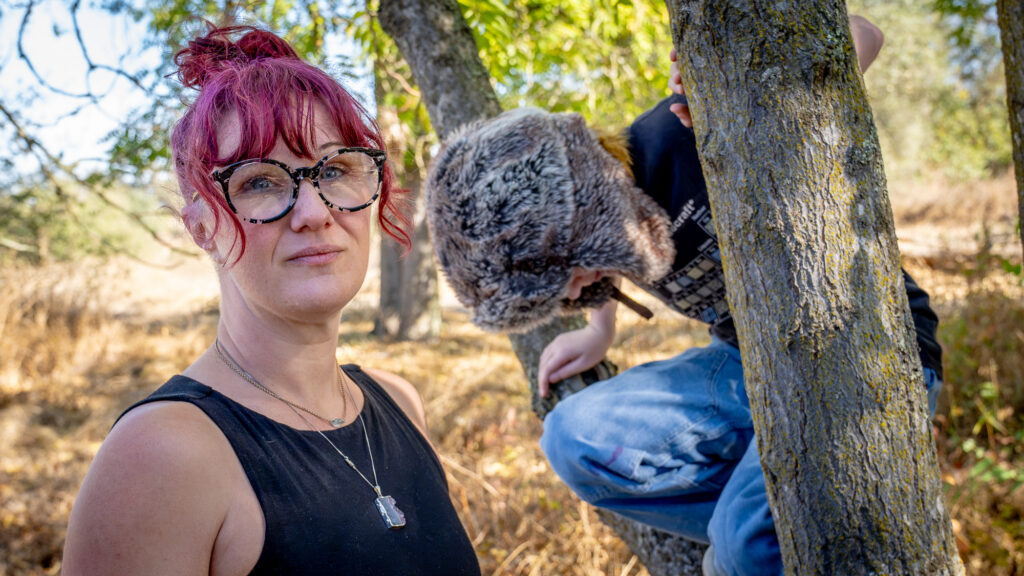
At the end of the last school year, Barthelmess learned her son had been disenrolled from his latest nonpublic school. She requested an emergency meeting with staff at the Folsom Cordova Unified School District to go over his individualized education program and figure out where he would go next.
That meeting has yet to be scheduled, according to Barthelmess.
Angela Griffin, a spokesperson for Folsom Cordova Unified, said they do not comment on an individual student’s circumstances
“We can share that the District takes parent concerns seriously and responds promptly to all outreach from families,” Griffin said in a statement. “Our staff works directly with parents and guardians to address questions, concerns, and requests related to enrollment and special education services. Because each student’s circumstances are unique, the process and timeline may vary based on individual needs.”
Obtaining and maintaining individualized education programs — meant for students with a qualified disability, such as speech impairment or autism — can be arduous for families. Many have described an emotional process, with jargon-laden meetings and obscure guidelines.
Even once they get a specialized plan, some parents said the implementation can fall short of addressing their child’s needs.
‘The schools didn’t have what he needed’
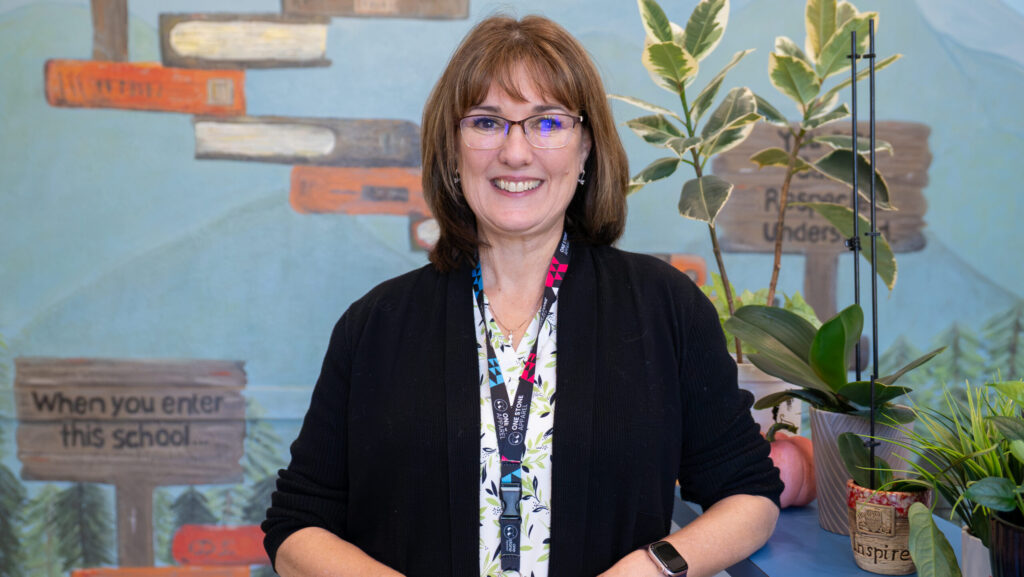
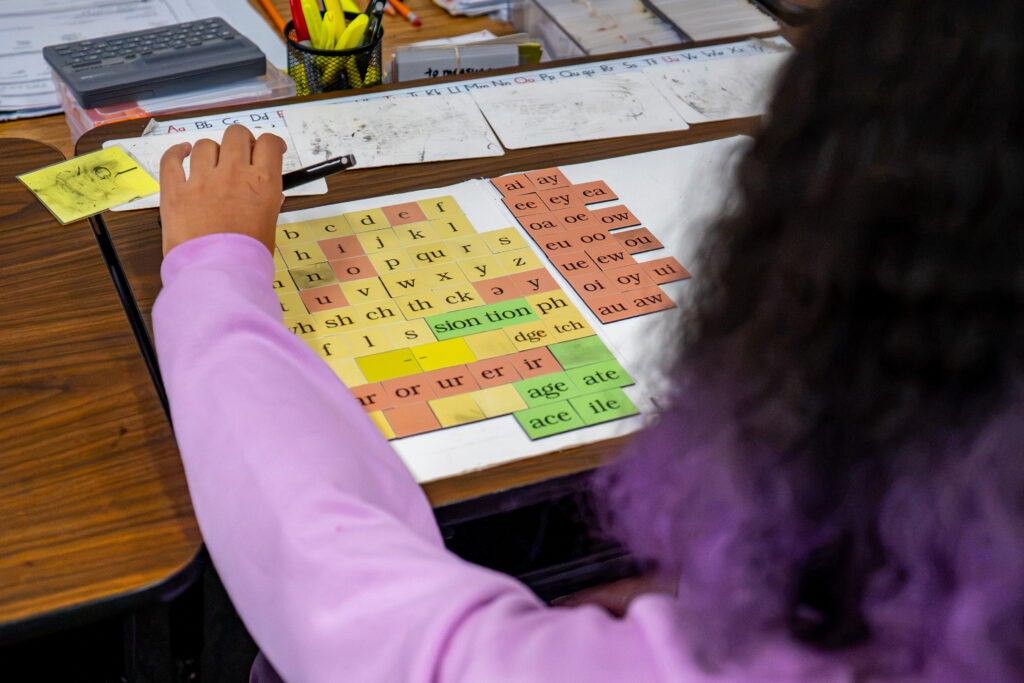
Leah Skinner has seen this firsthand, she said, as a certified dyslexia therapist and founder of the READ Academy in Natomas. At this private school, instruction is tailored for students with dyslexia, dysgraphia, dyscalculia and ADHD. There are currently 72 students, grades second through twelfth, and Skinner said families come from all over the Sacramento area and as far as Stockton or Vacaville to enroll.
“They are intelligent kids,” she said. “They’re fully capable of learning, but our school system doesn’t teach the way that their brain learns best.”
Skinner raised five sons who attended public schools. All have ADHD. Four have dyslexia. Her fourth son’s disability was most severe, she said.
“I just saw that the schools didn’t have what he needed to be successful,” Skinner said.
“The teachers were very kind and sweet and, you know, they’re passionate people that want to help kids,” she added. “But they have limited resources … So, if you’re the quiet one that just sits in the corner, you don’t get help and then you’re passed along.”
Private school fills gaps
Classes at the READ Academy are never more than eight students at a time, six if the subject is reading. Skinner said often that number ends up even smaller. Sometimes one teacher will have just two or three students to focus on.
In the classrooms, desks are grouped tightly together, with the teacher’s spot at the center. The effect, Skinner said: “You can’t hide.”
“The teacher’s right there, guiding you and pulling you along and making you do the work,” she said.
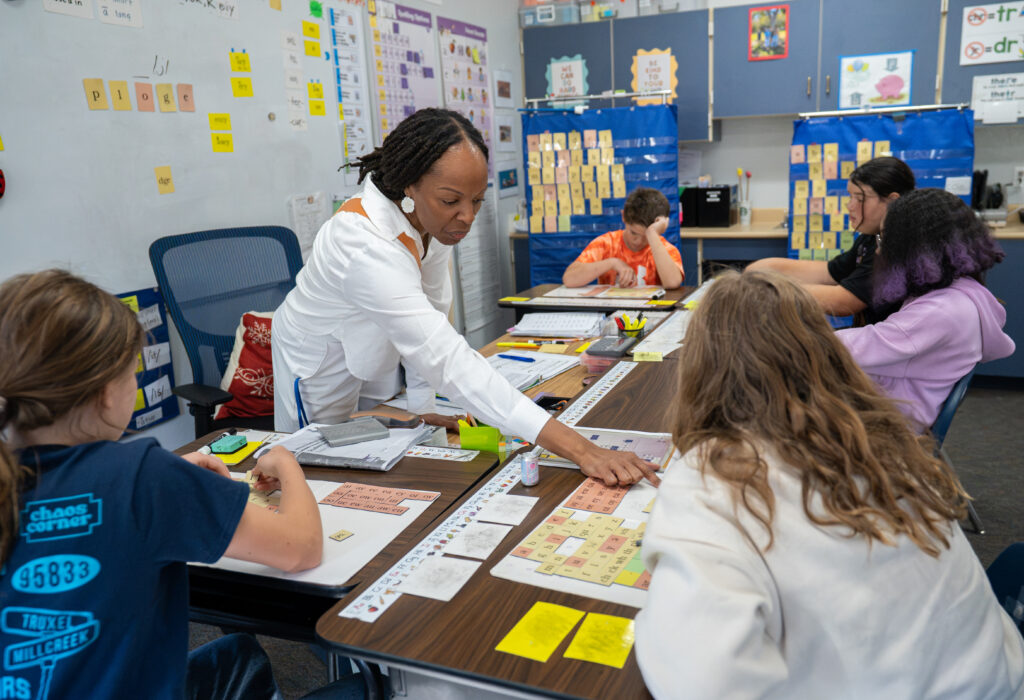
That kind of devoted attention and intimate class size is rare in public school, where time, money and personnel are generally more limited.
The goal isn’t for students to stay indefinitely at READ Academy, though. Skinner said on average kids spend three years, backfilling gaps in their education and getting up to grade level, before transitioning back to public school.
Tuition is $25,000 a year. Leaders at the school, now in its sixth year of operating, are working on building out financial aid options, Skinner said. More than a few current families are paying with money they earned from settlements with local school districts.
‘I just didn’t feel safe’
Some parents said the priority was keeping their kids close.
Vivian Haley started homeschooling her 4-year-old son, Anthony, after what she said was a boundary crossed at his Rocklin school last spring.
Anthony was diagnosed at 11 months old with “level 3” autism, the most severe form of the disability. Along with being nonverbal, he is often very affectionate and is still learning what’s appropriate, his mother said. Haley said she was adamant with staff around him in pre-kindergarten about demonstrating restraint.
But when she saw a teaching aide kiss her son on the cheek during pick-up, Haley said she felt her concerns dismissed by the teacher and school.
“They said it was a maternal thing,” she said. “It really disturbed me.”
She said she thought about transferring him to a different elementary school in the district. But then her older daughter, now in high school, shared stories about classmates with disabilities who faced frequent bullying there. Haley was afraid of letting her son walk into that environment or any school where he might be targeted.
“I just didn’t feel safe,” she said.
Making their own way
Haley enrolled her son at Visions in Education, a mostly online education provider that’s a popular choice for homeschooling families in Northern California.
She likes the customization in curriculum and getting to be the one helping her son, she said.
But even in this situation, Haley said she struggles to get enough support services, like speech therapy, for Anthony.
Other difficulties include finding families in similar circumstances to connect with and feeling overwhelmed learning how to teach.
“I’m still like an infant in this process,” Haley said.
Public schools are obligated to provide free and appropriate education to all students, regardless of disability. Yet Barthelmess and others said they have seen failures in fulfilling that responsibility, leading them to look elsewhere.
Barthelmess said she understands districts having resource constraints.
“But you can’t just leave kids behind,” she said.
A single mom working for the state, Barthelmess said she doesn’t have time to homeschool or money to pay for private school. She and her son toured a school Wednesday that she hopes will be at least an interim resolution.
In the future, Barthelmess said she has ambitions of opening her own school to serve families like her own, not unlike Skinner.
“There’s no place for my kid,” she said. “So I’m going to make one.”