

The Abridged version:
- A group of Tahoe ski enthusiasts wants to build a museum at the entrance of Olympic Valley to commemorate Tahoe’s snow sport history.
- The project stalled for years due to opposition from the U.S. Forest Service and a Placer County supervisor, citing commercial development restrictions.
- New leadership has instilled hope that the project could move forward. The 20,000-square-foot museum would greet visitors near the Palisades ski resort.
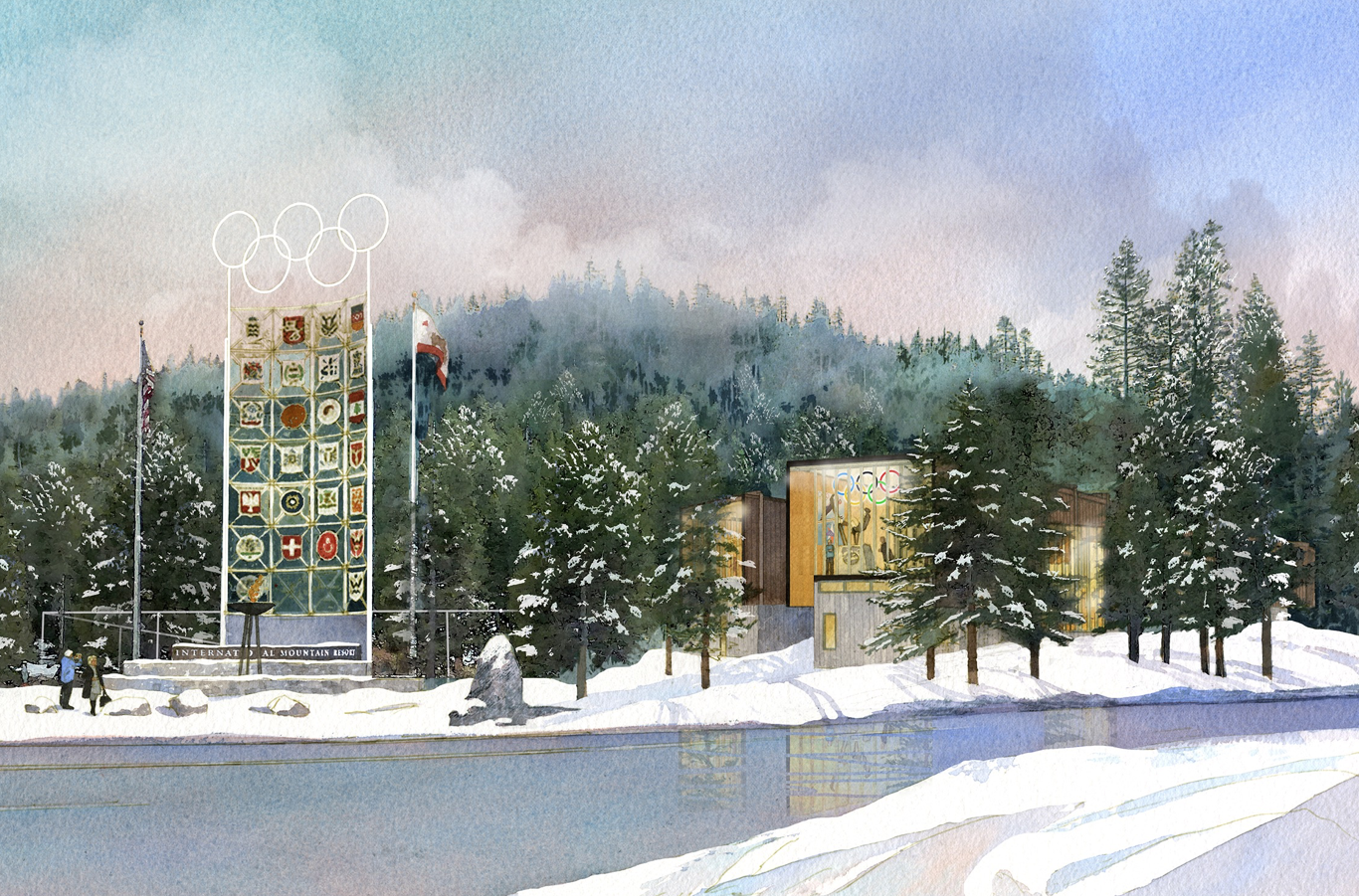
A yearslong campaign to create a 20,000-square-foot museum commemorating the history of snow sports in the Sierra Nevada is inching closer to fruition, thanks to a hardy group of Tahoe ski enthusiasts who refuse to abandon the project.
Museum backers are awaiting a decision from the U.S. Forest Service that could open the door to county land-use permits and spur a $20 million fundraising drive to build the museum at the entrance to Olympic Valley near the Palisades Tahoe resort.
“There’s a big desire for many generations to know who came before you and what they did, and how imaginative and courageous they were,” said Eddy Ancinas, who was the third president of the nonprofit foundation that hopes to build the museum.
“You learn from history. It’s interesting. It’s entertaining. It’s colorful. You learn why people do what they do, what mistakes they made, and what they learned from it.”
From rugged entrepreneurship to corporate skiing
Ancinas has seen much of that history firsthand. A Bay Area native, she grew up skiing in Tahoe in the 1940s when the industry was in its infancy. She saw it evolve from a collection of family-owned ski hills built by rugged entrepreneurs into an industry now dominated by major corporations.
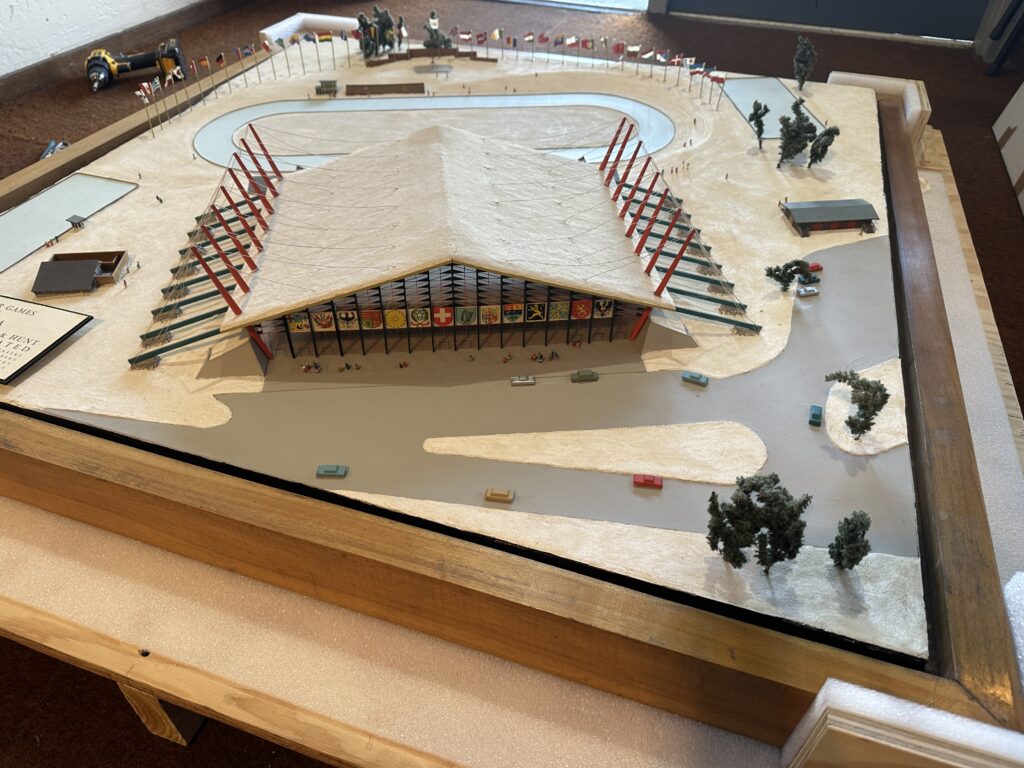
She volunteered as a guide for the International Olympic Committee at the Squaw Valley Winter Olympics in 1960 and later married Osvaldo Ancinas, who competed there as a member of Argentina’s ski team. After marrying, the couple settled in Tahoe, where they owned and ran three ski shops for 30 years and became prominent figures in the Olympic Valley ski and social scene. Eddy wrote a book about the history of Squaw Valley — now Palisades Tahoe — and Alpine Meadows.
Sign Up for the Morning Newsletter
The Abridged morning newsletter lands in your inbox every weekday morning with the latest news from the Sacramento region.
About 20 years ago, they joined Russell Poulsen, the son of Squaw Valley co-founder Wayne Poulsen, in conversations about building a museum. They were soon joined by Bill Clark, executive director of the Auburn Ski Club, who ran a now-closed museum at the Boreal ski area, and David Antonucci, a civil engineer and historian who has written several books about Tahoe, including one on the Olympics.
After seeing the enthusiasm generated by the 50th anniversary of those winter Olympics in 2010, the group moved its idea from the drawing board to an official drive to build a 20,000-square-foot museum, which they plan to call the Sierra Nevada Olympic and Winter Sports Museum (the SNOW Sports Museum).
A museum to tell the story of Sierra snow sports
Supporters targeted a location in Olympic Valley Park — at the entrance to the valley but outside the resort — as a way to build on the Olympics’ heritage and popularity while also leaving room to tell the rest of the story of snow sports in the Sierra.
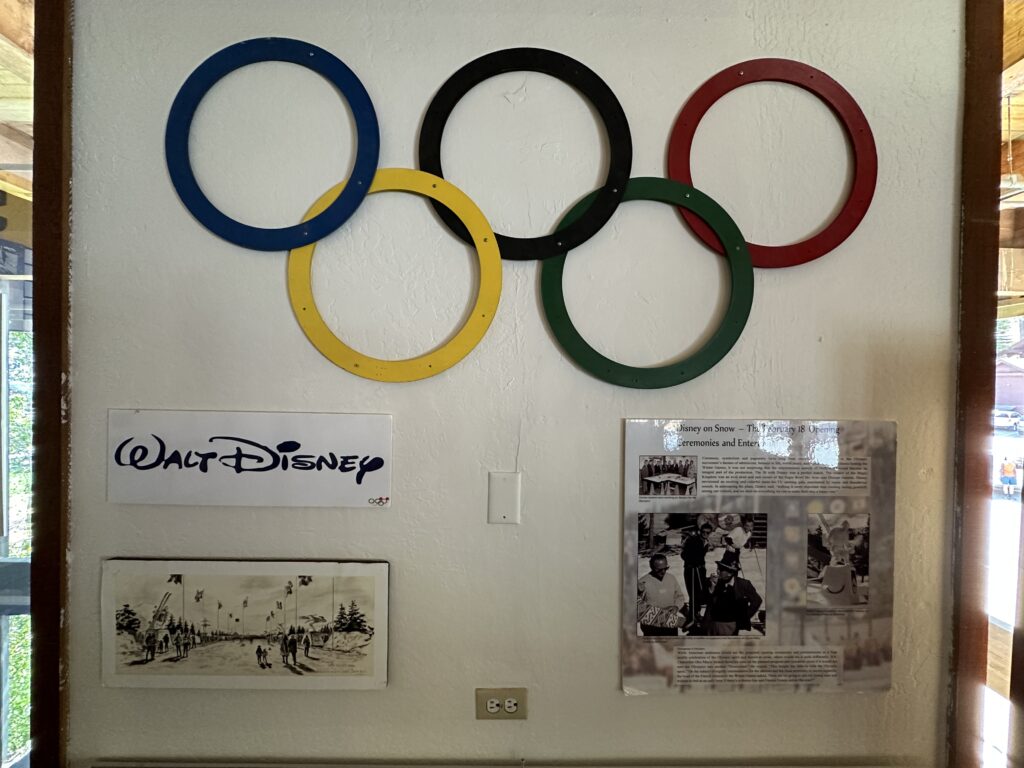
One wing of the museum would feature exhibits on the Olympics and no doubt serve as a big draw for tourists. The 1960 games helped propel the Winter Olympics from a niche sporting event — at least in the United States — into a spectacle. The opening and closing ceremonies were produced by Walt Disney. CBS paid $50,000 for the broadcast rights, bringing them live into American homes for the first time.
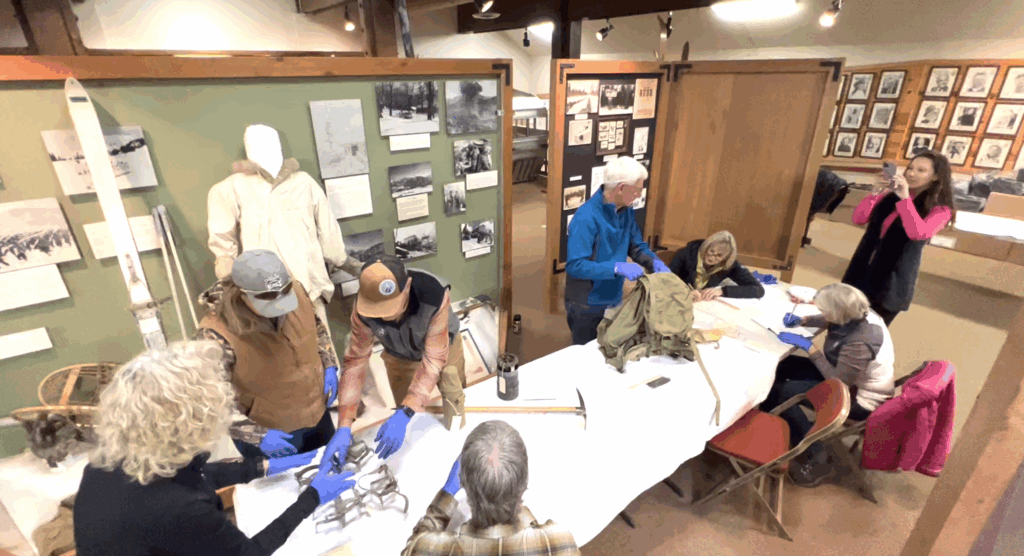
Another wing of the museum would focus on the broader history of Sierra skiing, from Gold Rush-era 14-foot longboards to the development of modern lift-assisted resorts. A cultural center would include a collection of artifacts and stories of the Washoe people, who traversed the Tahoe area on handmade snowshoes long before white settlers arrived in the Sierra.
There would also be a ski and snowboard hall of fame, a theater and an event space open to the community.
Forest Service opposition stalls project but push is ‘not fading’
The museum project, however, has been stalled by opposition from the U.S. Forest Service in a dispute over the land on which it would be built. When the federal government sold the parcel to Placer County years ago, the transfer included a deed restriction forbidding any commercial development. The local Forest Service office declared that a nonprofit museum would be a commercial use, which stopped the project from advancing. Former Placer County Supervisor Jennifer Montgomery also opposed using the park site and joined the Forest Service in resisting it.
Those hurdles put the project on ice for five years. The idea has been kept on life support through a small, one-room exhibit in the Boatworks Mall in Tahoe City.
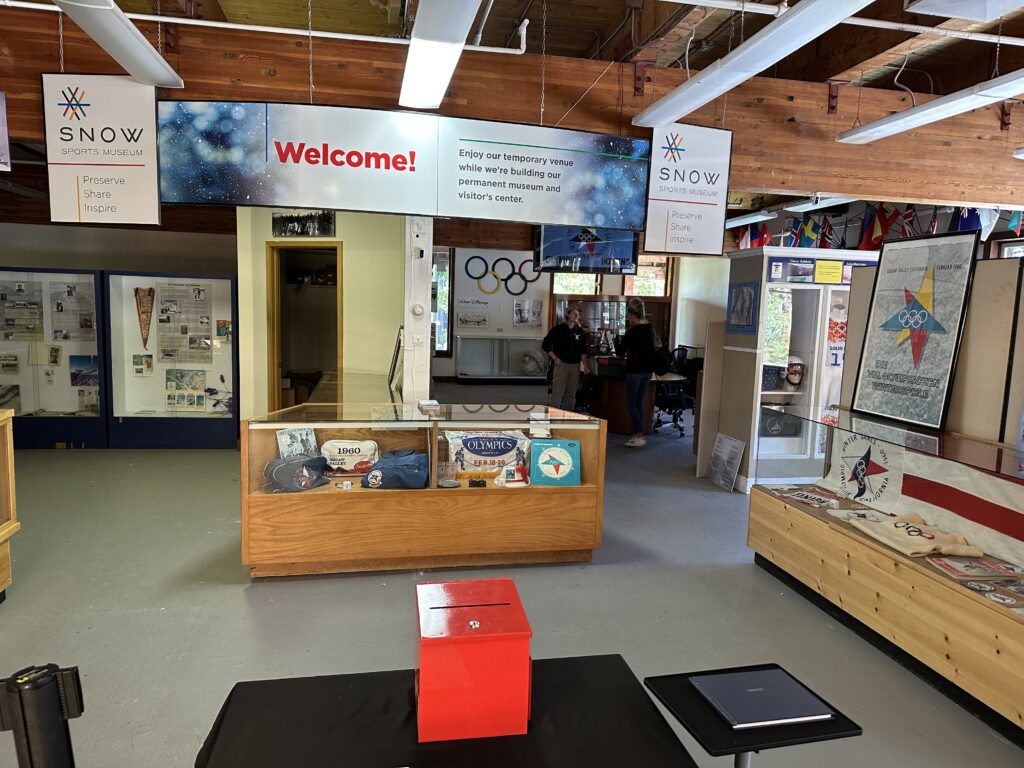
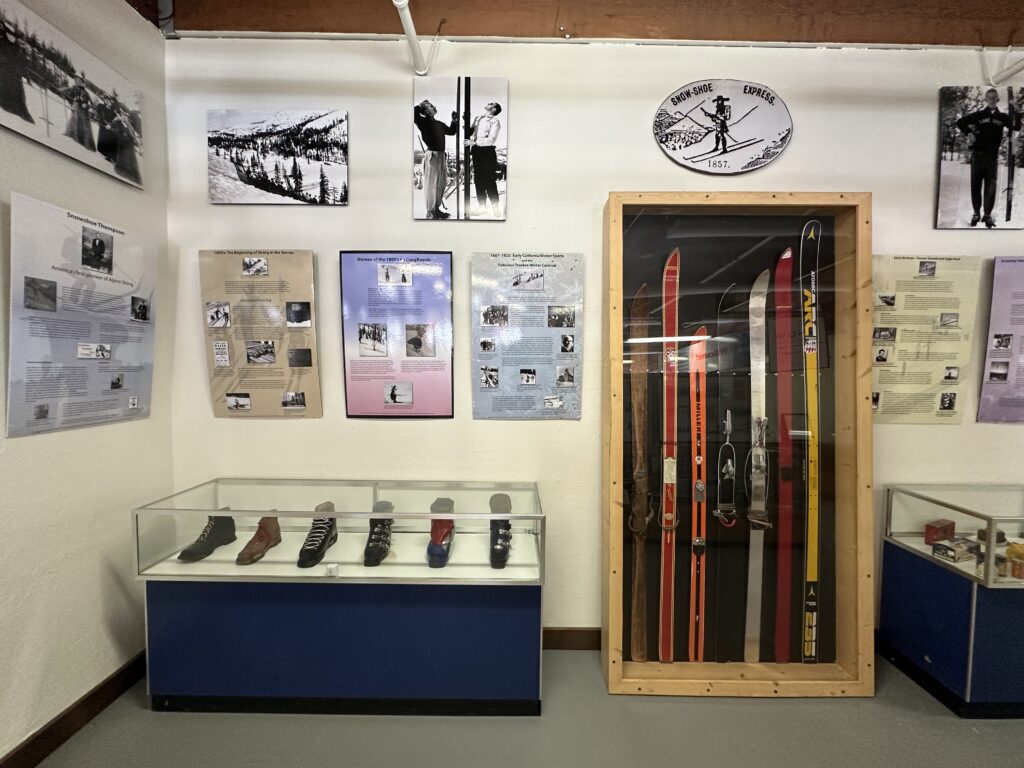
But the project came back to life after both officials who had stopped it moved on from their jobs. Now Placer County’s government is a major supporter. The county has helped fund the exploratory efforts, completed a favorable environmental review and is in talks with the new Forest Service leadership to allow the project to proceed.
Forest Service officials declined to comment about the current status of the decision. But if the agency relents, the local land-use process would begin immediately.
“The fact that we have all hung in here for all these years speaks to how important it is to the community to celebrate this heritage,” Clark said. “We’re frustrated that it’s taken so long. But we’re not fading away. We are going to see this through one way or another.”
Daniel Weintraub is a regular contributor, writing Tahoe Loco for Abridged.
Correction: A previous version of this story misstated Eddy Ancina’s involvement in the nonprofit foundation’s early leadership. She was the third president.