

The Abridged version:
- Sacramento’s startup culture, local entrepreneurs say, is full of support and mentorship.
- Agricultural and food tech and clean technology like batteries and advanced manufacturing are the most prevalent types of startups in Sacramento, in addition to health care and biotech, a source said.
- Sacramento is also home to several organizations that support women and people of color in startups.
Say you have an idea for a startup company. You happen to go to a backyard party or chat with neighbors on your front porch about your idea, and it turns out that all of your neighbors, friends and even strangers at the party have plenty of advice, experience and ties to investors who can help you launch your idea.
This is the culture among dozens of nonprofit organizations, business accelerators, mentors and funders helping startup companies in the Sacramento region succeed, its participants say. It’s an ecosystem that has existed for decades but is more robust since the pandemic as entrepreneurs move to the area and homegrown leaders choose to stay.
Sacramento will never be another Silicon Valley. For many of the people involved in startup culture here, that’s fine. The region has other things going for it. First and foremost, mentorship, support and connections are available without strings attached, said Laura Good, president and chief executive officer of StartupSac, a nonprofit that offers networking events and resources.
“It’s not a quid pro quo kind of culture,” she said. “People want to help you even if there’s nothing in it for them.”
Venture capital and startup culture in Sacramento
Sacramento’s startup culture actually has a backyard and a front porch.
Mark Haney, Monique Brown and Rick Spencer coined the term “backyard advantage” when they co-founded Growth Factory in 2021 as a nonprofit that helps build entrepreneurial ecosystems. The concept sprung from a backyard party at Haney’s house in October 2019 for about 100 founders, investors and mentors.
Haney said they asked themselves: “How do we engineer wins for each other?”
The same group formed a venture capital firm called Growth Factory Ventures, which has supported more than 70 business and consumer tech startups in the past four years, many of them from Sacramento. One of them, Onsight Technology, developed robotics to monitor remote solar panel sites. It was acquired by energy technology company Nextpower earlier this year.
Brown and Haney said the backyard advantage mantra — “What are you working on and how can I help?” — applies across the Sacramento ecosystem and is catching on in other cities. Haney hosted another backyard party recently with more than 300 people as the ecosystem has grown.
Sacramento’s front porch for startups is the local chapter of 1 Million Cups, which hosts weekly virtual coffee events where two entrepreneurs present their early-stage ideas and get advice from peers. StartupSac’s Laura Good is also an organizer for 1 Million Cups.
At a recent virtual coffee, Sam Mejia practiced her pitch for EcoPress, a company she founded to reduce plastic pollution by fabricating waste into furniture, signs, jewelry, art and custom products. The company will have a storefront in Old Sacramento soon, and Mejia said she is seeking funding to buy more equipment, businesses to host plastic collection bins and mentorship in the manufacturing process.
“If you believe that sustainability should work for people, not against them, I’d love for you to become involved in some way,” Mejia told the volunteer advisers attending the meeting.
Companies address unmet needs in the capital region
Startups are typically defined as companies that address an unmet need in the market, said Cameron Law, executive director of the Carlsen Center for Innovation & Entrepreneurship at Sacramento State University. They are often — but not always — tech companies. Depending on whom you ask, they should be companies that require investors to scale up with the goal of being acquired by another company so investors receive their returns, or they could be companies run by founders in the long term with investors having a stake in their success.
Success doesn’t come easy. About 75% of venture-backed startups fail, although the exact number is difficult to measure, according to a University of Pennsylvania study.
The Carlsen Center launched in 2019 as a hub to educate, support and build startups, and make innovation pervasive in the region. It joined the UC Davis Student Startup Center as a university-based program for entrepreneurs. UC Davis also focuses on health care startups through UC Davis Health Ventures and Aggie Square, a new biotech and research complex at its Sacramento campus.
Agricultural and food tech and clean technology like batteries and advanced manufacturing are the most prevalent types of startups in Sacramento, in addition to health care and biotech, Law said.
Where to look for startup support
Sacramento is also home to several organizations that support women and people of color in startups — an economic sector still predominantly male and white, according to several recent studies.
Fourth Wave Inc. is a nonprofit accelerator for female tech entrepreneurs founded in 2017, helping with mentorship, leadership training, business planning and access to capital. Many of the 12-15 companies in its annual cohort are in the Sacramento region, and alumni have raised more than $100 million in funding.
“I’m blown away by the products and services women are creating,” Fourth Wave co-founder Cheryl Beninga said.
CLTRE is a nonprofit community development organization based in Sacramento focused on underserved, culturally rich neighborhoods. It runs a program called EveryDay Creative that helps startups with pitches, mentorship and coaching, business development and access to investors.
Mariah Lichtenstern launched venture capital firm DiverseCity Ventures in 2017 to help close the funding gap for startups run by teams with diverse gender, ethnic and socioeconomic backgrounds. She launched the firm focused on tech companies and equity after founding a startup to finance film productions and experiencing the barriers facing women and people of color at each step of her career. She also serves on the Fourth Wave board and as entrepreneur in residence at the Carlsen Center.
Sacramento’s shortcomings in the startup world
Sacramento has a startup pipeline but not enough funding, especially for founders from underrepresented backgrounds, she said.
“If you don’t already have access to capital, and you don’t have wealthy friends and family, you’re only going to be able to get so far,” Lichtenstern said.
Lichtenstern, Good and others all pointed to the same shortcoming of the Sacramento startup ecosystem: Sacramento will never have as much wealth or as many funders as Silicon Valley.
But there’s a lot of room for improvement. They all said they are focused on identifying more investors in the region and showing them they can diversify their portfolios with investments in homegrown companies. They also are spreading the same word beyond Sacramento to bring in investors from out of town.
NorCal AngelCon is working on that. Through the Carlsen Center, the program is educating potential new angel investors, who provide funding to startups in their earliest stages. The new investors started awarding seed money in 2025. Sacramento Angels, founded in 2000, invests in companies in Sacramento and elsewhere.
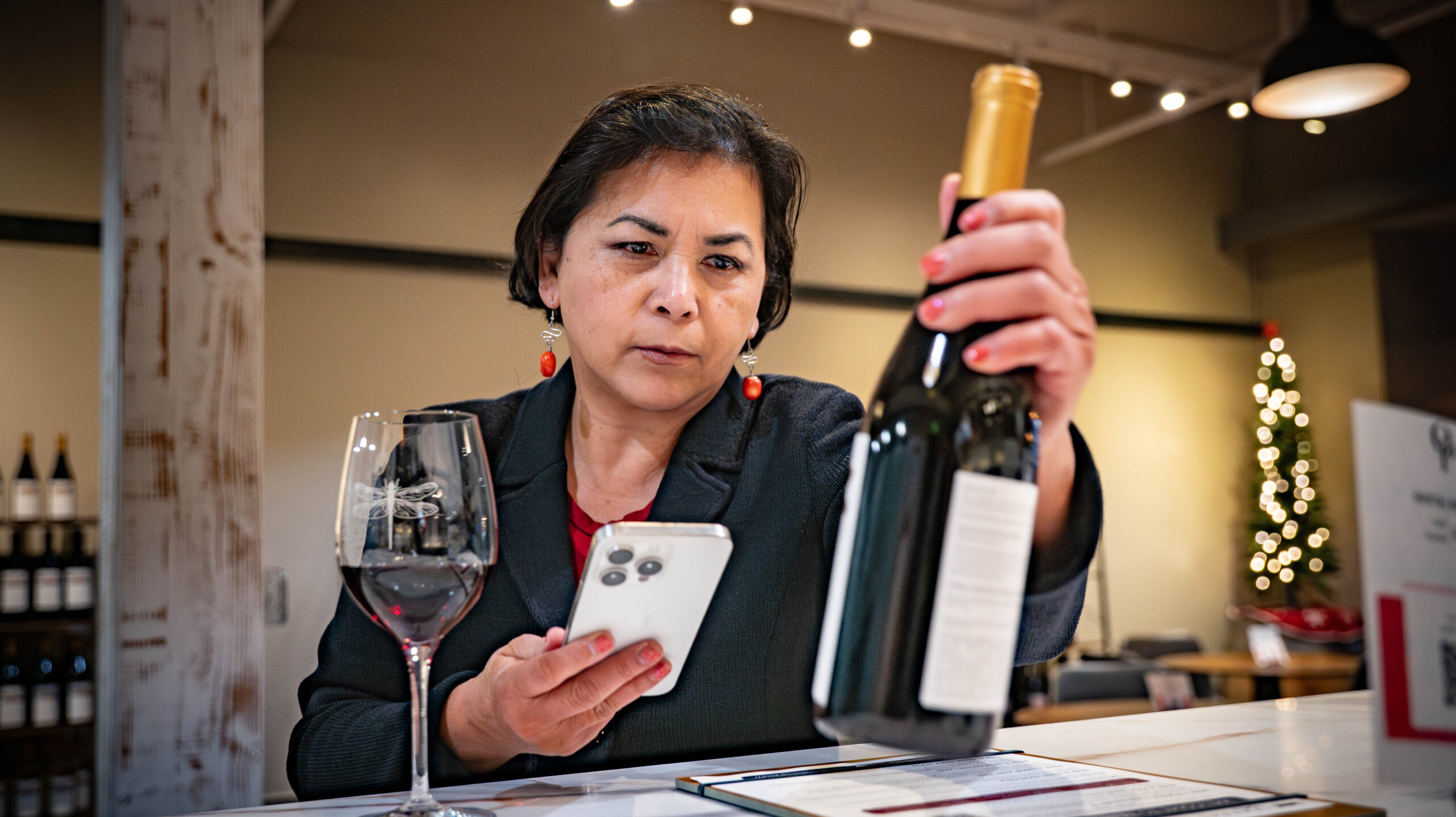
Christy Serrato built a mindset of mentoring entrepreneurs while on the staff of the nonprofit Sacramento Entrepreneurship Academy before she was part of Fourth Wave’s 2021 cohort. She launched Pair Anything, a platform that helps consumers pair wine and beverages with foods they enjoy and makes wine buying recommendations. Now, she handles marketing for Fourth Wave and serves on the academy’s board of directors while she builds Pair Anything. Several wineries and platforms use the app, including Teneral Cellars in Midtown Sacramento.
“I straddle between two ecosystems,” Serrato said. “I have investors in the Bay Area. I have my network here. Sacramento is unique in the sense that I find it very, very collaborative.”
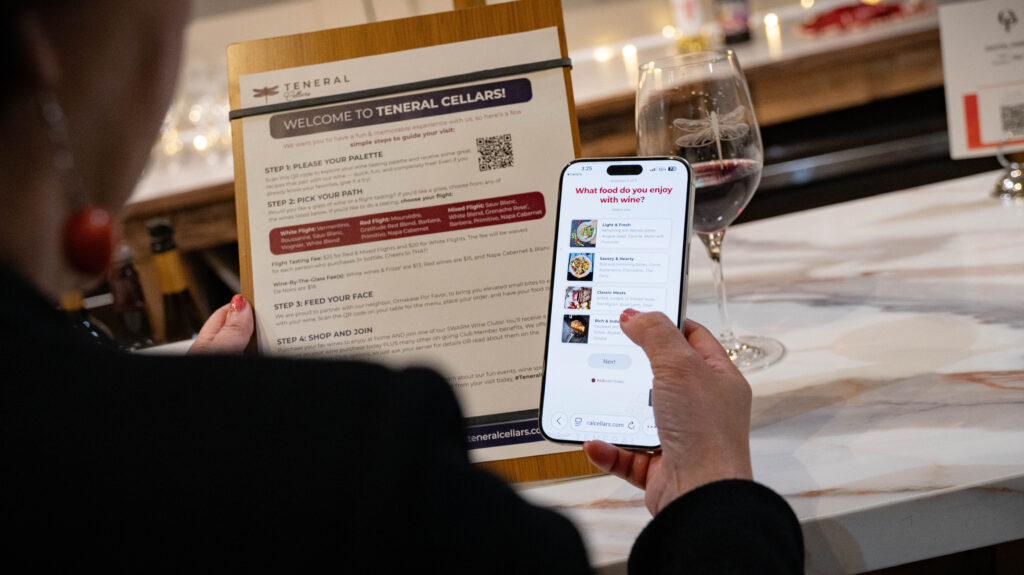
Fundraising for her own company is a challenge, but Serrato said sees her role as something larger as she mentors others working on their own startups. “What we can do all together is make this an investable region to have attractive companies that are doing exciting things.”
Resources around Sacramento for startup founders, investors and mentors
- Nonprofits like the Carlsen Center, StartupSac, 1 Million Cups, Fourth Wave, CLTRE and Growth Factory.
- Government organizations that have programs for startups, including the cities of Sacramento, Elk Grove and Roseville.
- Sacramento Municipal Utility District, which collaborates with more than a dozen local organizations that support startups and looks for local companies it can contract with to help reach its clean energy goals.
- Funders including NorCal AngelCon, Sacramento Angels, DiverseCity Ventures and Growth Factory Ventures.
Laura Mahoney is a regular contributor, writing Dollars and Sense for Abridged.