
The Abridged version:
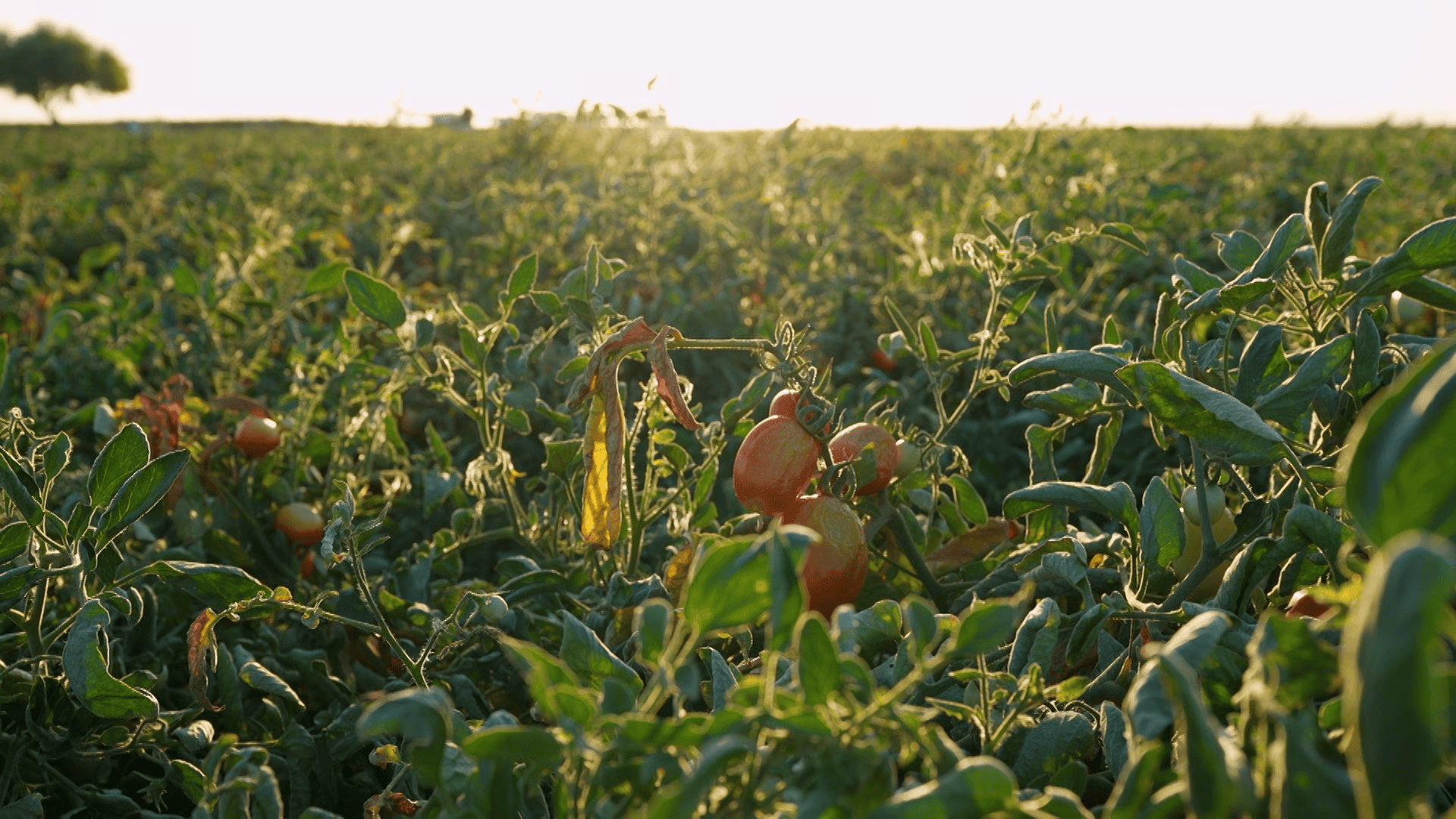
- California produced an estimated 200,000 acres of processing tomatoes in 2025, about 90% of the nation’s total and 25% of the world’s total. Most of those are grown in the Central Valley.
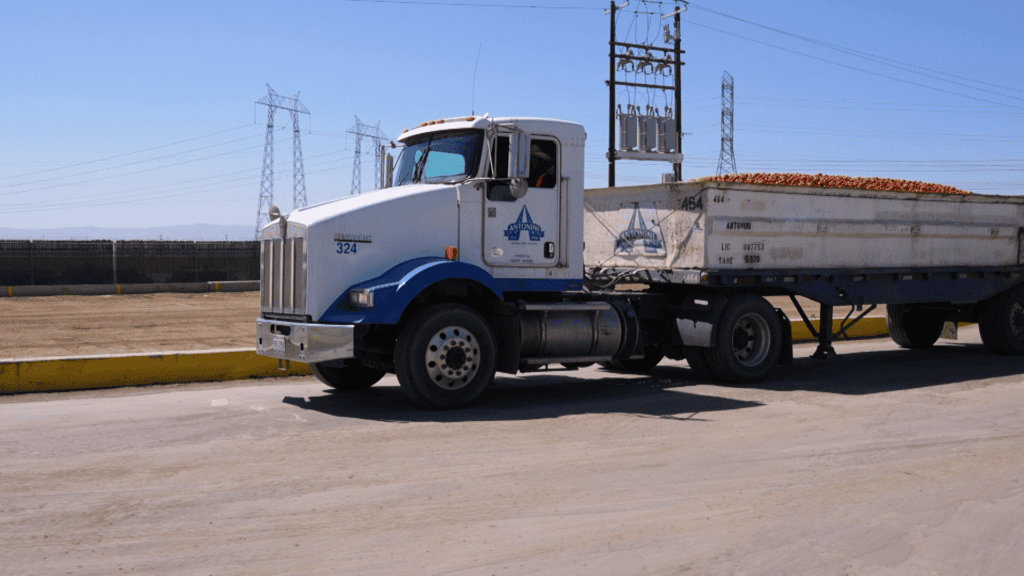
- Tomato trucks called gondolas carry up to 50,000 pounds of tomatoes, which will be made into pastes, sauces and other products lining grocery store shelves.
- The tomatoes remain uncovered on gondolas due to time and heat constraints, and some spill onto the road, but they dry up quickly in the summer sun.
A sign of deep summer in Sacramento — aside from the searing heat — is the daily sight of trucks piled high with freshly-harvested tomatoes heading up and down the roadways, sometimes dropping a bit of their load onto the ground.
You might have wondered while looking out your car window: who grows these tomatoes, where are they heading and what will they become?
The open-air trailers called gondolas carrying these loads are designed to accommodate up to 50,000 pounds of processing tomatoes, roughly 300,000 tomatoes, which are loaded directly from harvesters in the field and then flushed out with water at the processing plant.
Those oblong tomatoes are engineered for density and consistency, allowing them to emerge from the gondolas unscathed. They’re bred to withstand stacking and transfer, according to Mike Montna, president of the California Tomato Growers Association.
“They have a thicker wall than garden tomatoes and are bred for transportation, and they’re harvested a little on the immature side,” he said.

Processing tomatoes are made into a wide array of tomato products from ketchup to purées, but about 75% will become tomato paste, Montna said.
“We want that perfect ripeness so when you open a can or jar, it’s the same flavor and freshness,” he said.
The tomatoes are primarily grown on about 200 Central Valley farms and comprise more than 25% of the world’s total. As of 2025, there were an estimated 200,000 acres of processing tomatoes grown in California, which equates to 10 million tons of tomatoes and 90% of the nation’s crop.
Sign Up for the City of Treats Newsletter
Get the latest Sacramento food news from Benjy Egel in City of Treats — delivered every Tuesday.
Tomato harvest happens quickly and efficiently thanks to technology and 24-hour operations, according to Scott Park. He’s the founder of Park Farming Organics in Sutter County, which grows about 665 acres of organic processing tomatoes for companies such as The Campbell’s Company and its subsidiary Pacific Foods.
“It’s difficult, but we have (innovation) to pick a load in about 30 minutes (day and night) with a harvester,” Park said.
Once the gondolas are loaded in the fields, they remain uncovered due to time and heat constraints as they head to processing plants. Park’s tomatoes head to the Campbell’s plant in Dixon, which processes over 600,000 tons of tomatoes per year into bases for spaghetti and picante sauces.
The total turnaround from farm to sauce is about two to four hours after harvesting, according to Park.
“We are on a tight schedule to get them to the factory,” Park said.
The Central Valley heat of July, August and September is an ideal climate for growing tomatoes, according to Park, who has been farming since the 1980s.
“We have about 100 days of harvesting and benefit from hot and dry summers, fertile soil and high-quality water from the Sacramento River,” Park said. “We don’t get much summer rain or late frost and that’s rare.”
The next time you see a trailer full of tomatoes on the road, you can feel proud of Sacramento’s role in producing a food product found on grocery store shelves worldwide. And don’t worry too much about the few that spill out en route to the factory.
“Yes, tomatoes can fall off the truck, but it’s not a big problem,” Park said. “They dry up pretty quickly with the heat.”
Related from PBS KVIE: A tomato farmer from the Central Valley adds solar panels to farmland that’s been affected by drought.
Lisa Thibodeau is a freelance writer and farmer.