

The Abridged version:
- New restrictions on electric bikes and scooters are coming for students at Washington Unified in West Sacramento. The increased oversight goes into effect Aug. 5, the first day of school.
- The regulations vary by e-bike type and student grade level.
- The West Sacramento district is the latest of many Sacramento area schools to clamp down on the rising use and risk of e-transportation on campuses.
Washington Unified in West Sacramento is one of the latest school districts in the Sacramento region to clamp down on students using electric bicycles and scooters.
From rules and regulations to public safety campaigns, officials from Elk Grove to Roseville have spent months tackling how to control the increasingly popular modes of e-transportation and mitigate the associated collision risks.
“They’re kids, they think they’re invincible,” said Tanya Kravchuk, San Juan Unified school board president, at a March board meeting during which trustees discussed a rising need for oversight.
The San Juan Unified board approved new guidelines in June, mandating helmets, allowing only the lowest level electric bike for K-8 students and adding driver’s license requirements for e-scooters.
Now, West Sacramento leaders are following suit, with a new policy going into effect Aug. 5, the first day of school.
Sign Up for the Homeroom Newsletter
A weekly email with news and insights into Sacramento area schools and how it impacts your students.
Not all e-bikes are the same
Similar to other districts, Washington Unified officials have different rules for different types of e-bikes.
There are three classes of e-bikes, divided by speed and power.
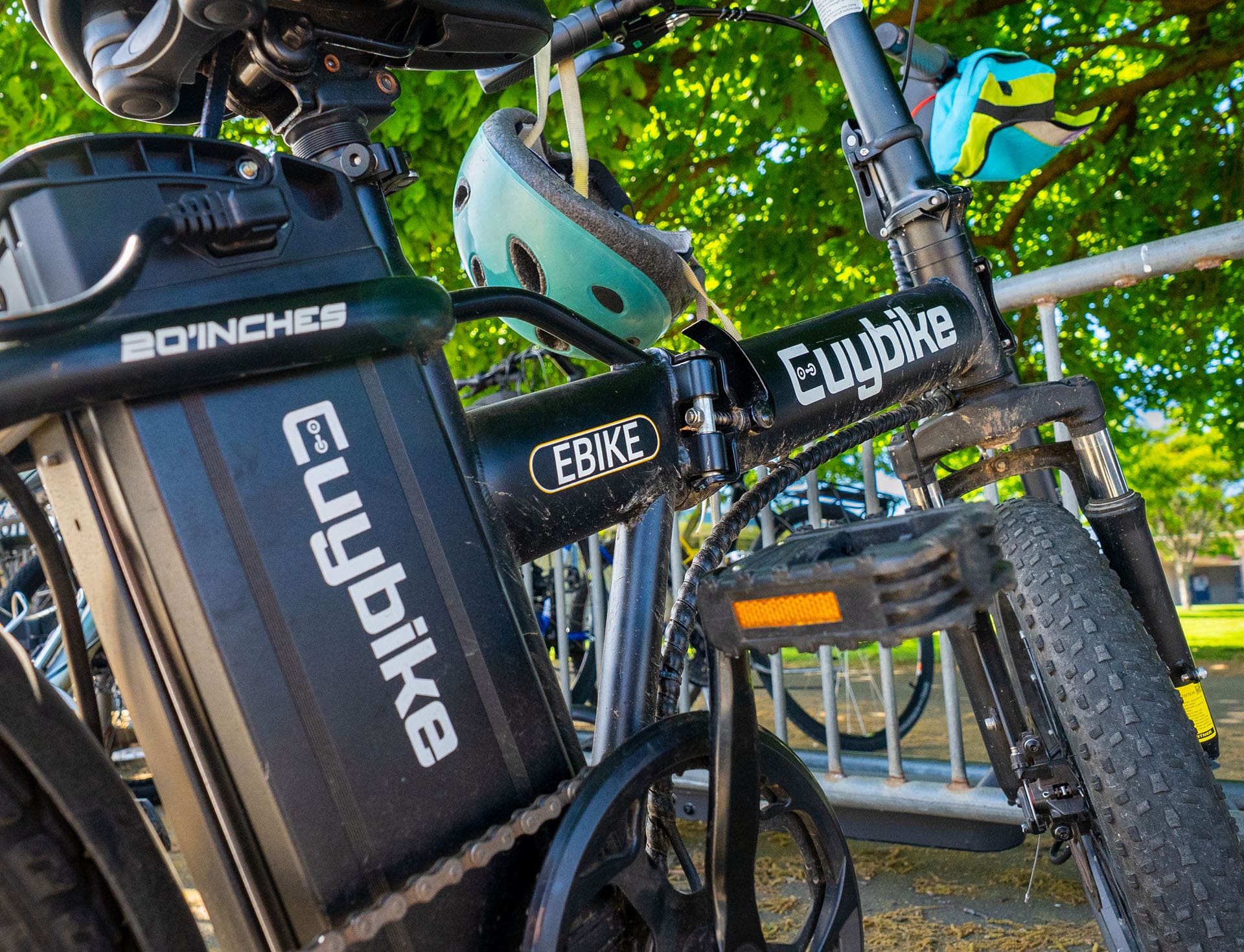
In West Sacramento, incoming elementary and middle school students may only use class one — bikes that provide assistance only while the rider pedals and up to 20 mph.
Class two bikes can propel forward without pedaling but also cap power at 20 mph. Class three bikes can reach 28 mph. Class two and three bikes are not permitted on K-8 campuses. Neither are electric scooters, according to the updated guidelines.
All students are required to wear helmets.
High school students may use class three bikes, but under state law, the student must be 16 or older.
Widespread safety issue
The changes are intended to improve student safety while still promoting the “health, academic, and environmental benefits” of walking or biking to school, Washington Unified officials wrote online.
Across the state, e-bikes are becoming ubiquitous.
And as more motorized bikes hit the roads and sidewalks, collisions and injuries have also surged.
In a study published in early July, researchers from UC San Diego found statewide injuries resulting from e-bike collisions jumped from two incidents in 2018 to 1,566 in 2024.
The age group with the most injuries were riders 14 or younger.