
The Abridged version:
- Kratom, an opioid-like substance sometimes sold in gas stations and tobacco stores, has fallen under increased scrutiny after reports of fatal overdoses and addiction.
- Selling kratom for consumption is illegal in California, but the product has proliferated in retail stores and online due to unclear guidance and sparse enforcement.
- Yolo County will decide Tuesday whether to institute a kratom ban and enforce it locally.
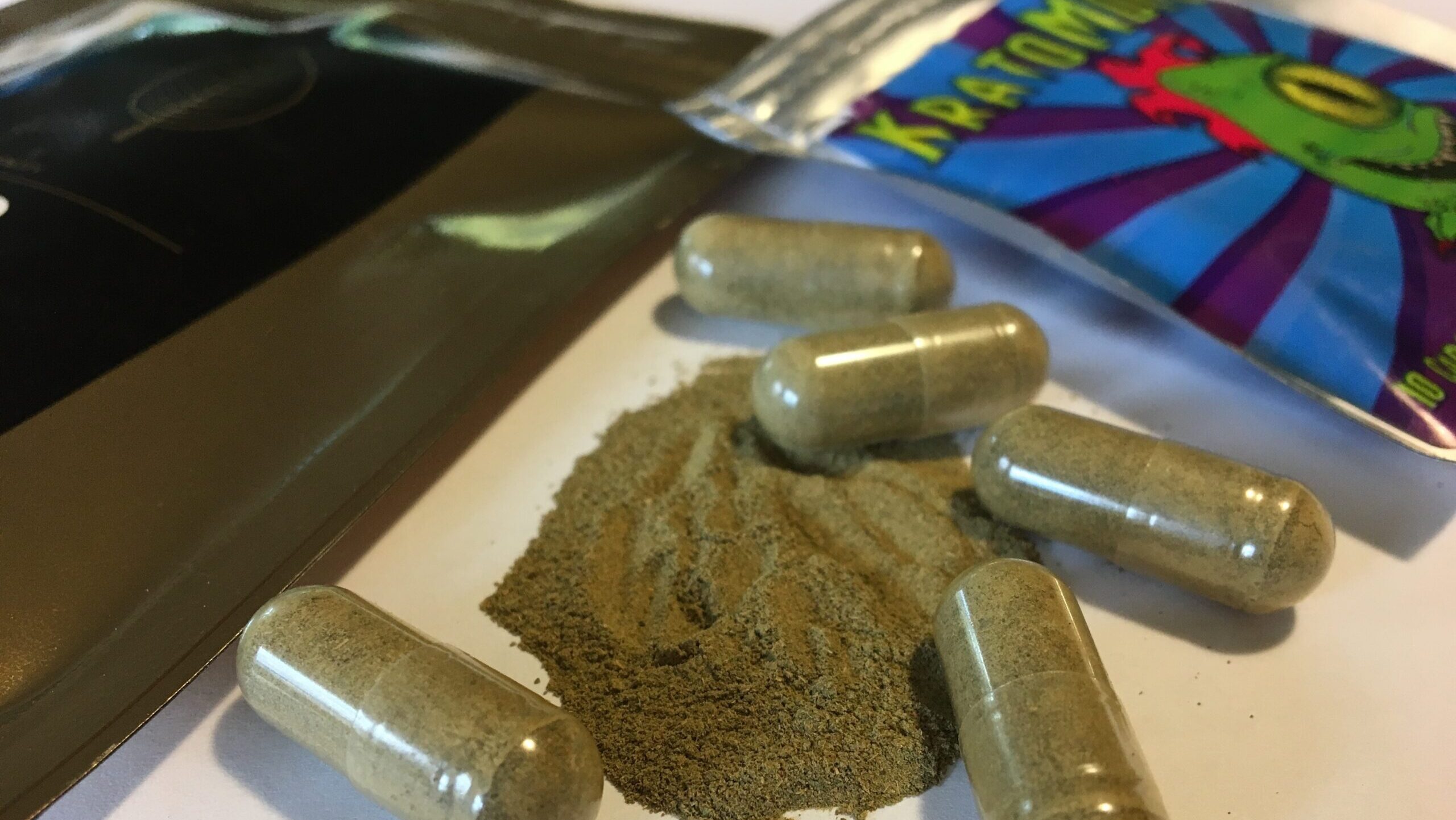
Kratom, an opioid-like substance sometimes sold in gas stations, has received a lot of attention lately.
With high profile reports of overdoses and addiction attributed to the product, health officials across the country are sounding the alarm on its dangers.
Despite state law prohibiting the sale of kratom for consumption in California, unclear guidance and sparse enforcement allowed it to proliferate at tobacco shops and online retailers in the form of drinks, powders and pills. In Yolo County, 26% of tobacco retailers sold the product in 2025, and 7 people have overdosed with kratom in their systems since 2017.
Sign Up for the Yolo County Newsletter
Stay in-the-know on all things Yolo! Weekly email with stories and insights from Yolo County reporter Daniel Hennessy.
The state began cracking down on the product last year, but Yolo County supervisors on Tuesday will consider whether to implement a county kratom ban, opening the door for more local enforcement.
“Kratom contains opioids. Kratom is dangerous. Kratom is illegal,” former Yolo County public health officer Aimee Sisson said during a presentation to the Board of Supervisors in April.
Statewide crackdown
Derived from the leaves of a tropical tree and infused into a host of consumer products with varying degrees of potency, the substance exploded in popularity over the past decade thanks in part to its availability. Kratom and its derivative, known as 7-OH, are often sold as remedies to pain, anxiety or opioid withdrawal, all of which are unproven.
For a time, kratom products lined shelves of gas stations, tobacco stores and were widely available online.
Last October, the California Department of Public Health kicked off a campaign to crack down on kratom, using a public information campaign as well as seizures of the substance from store shelves.
“After five months of targeted kratom and 7-OH enforcement efforts, nearly 98 percent of ABC-licensed locations are in compliance,” said Paul Tupy, director of the California Department of Alcoholic and Beverage Control, in a July news release.
Local deliberations
Yolo County supervisors started discussing the role of local regulation of kratom in April.
At that meeting, staff told the board that local health officials sent a letter to retailers in December informing them of kratom’s illegality. The letter alone caused a 20% drop in brick-and-mortar retailers who were selling the substance.
“We consider this a major success,” Sisson said.
But kratom is still available to buy online, and customers can have the product delivered to their doorsteps.
To address that and the remaining stores that are out of compliance, supervisors have the option to implement a ban and enforce it locally.
Moving forward
Yolo County does not have its own enforcement authority to regulate the sale of kratom, meaning it relies on the state to do so.
As it stands, local efforts focus on retailer education and outreach, along with referring suspected violations to the state public health department. That direction has been effective in reducing the number of places selling kratom, but it has also meant that the county has had to rely on state authorities to enforce local problems.
Supervisors could choose to change course Tuesday, bringing the responsibility to enforce compliance under the county’s umbrella.
That would allow county officials greater flexibility and recourse, but it would cost money, open the door for complex legal challenges and potentially duplicate state efforts.