

The Abridged version:
- Spring has come in Yolo County, and wildflowers are popping up across the region.
- Observers can find unique blooms of native flowers and vast carpets of color in and near Yolo County.
- Abridged asked experts at the UC Davis Arboretum and Tuleyome, a Woodland-based conservation nonprofit, for suggestions on where to go to see wildflowers in the county or within a short drive.
- Have a spot you want to share? Write to us in the form at the end of the story or email dhennessy@kvie.org. Feel free to include pictures of the flowers!
Millenia ago, when the inner coast range pushed up from the bottom of an ancient sea to form the western edge of what is now Yolo County, the soil it formed was poor in nutrients, rich in heavy metals and seemingly inhospitable to plant life.
But as the centuries went on, native plants adapted to the serpentine soil, figuring out ways to thrive in the harsh earth. Now, Yolo and its surrounding counties are home to one of the most unique displays of wildflowers in the world.
Sign Up for the Yolo County Newsletter
Stay in-the-know on all things Yolo! Weekly email with stories and insights from Yolo County reporter Daniel Hennessy.
“This is the time to go and see it,” said Nate Lillge, program director for Tuleyome, a Woodland-based conservation nonprofit, and certified naturalist.
For those willing to put in a little effort, wildflowers like the rare and elusive Adobe Lily can be found in the far reaches of Yolo County.
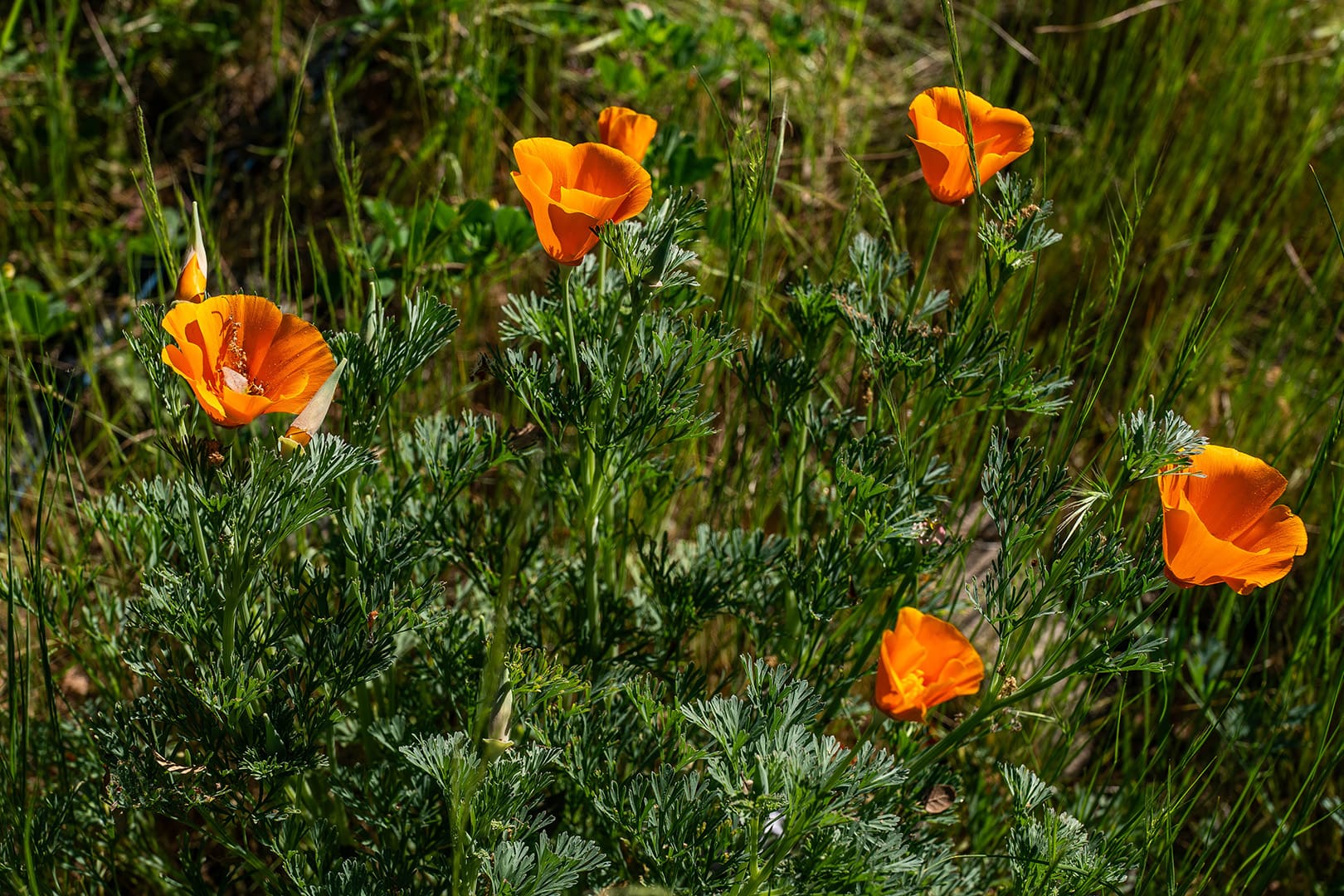
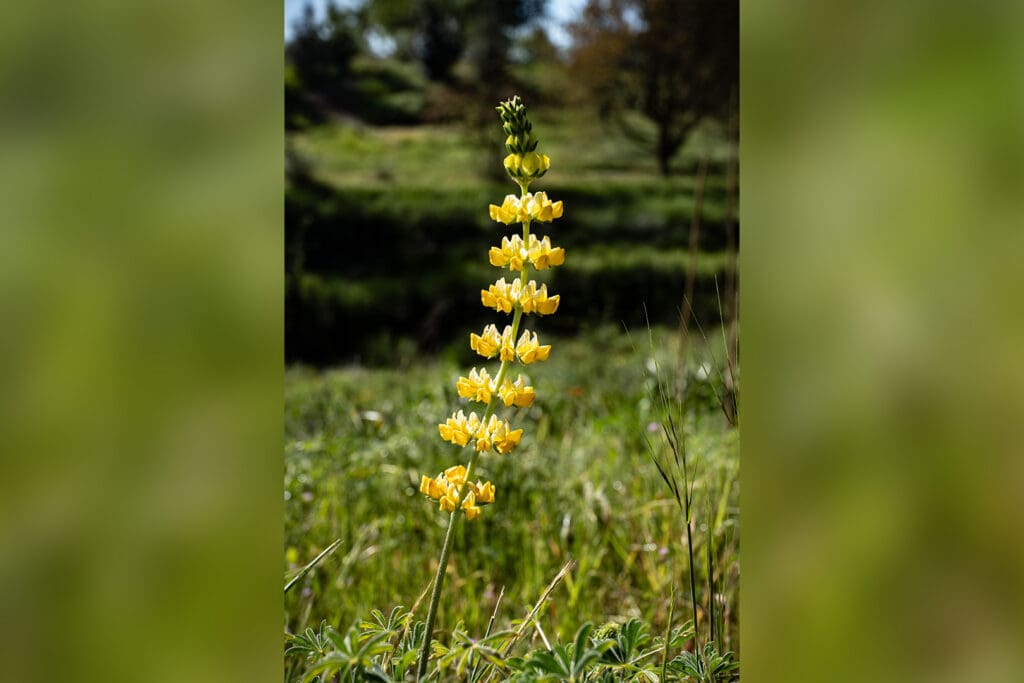
But observers don’t necessarily need to go far afield for seasonal blooms. Down in the flatter parts of the landscape, where rich soil is home to other kinds of plant life, carpets of California poppies, Tidy Tips, lupine, Wallflowers, Giant Death Camas, Cream Cups and the like await.
As spring sets in throughout the region, Abridged by PBS KVIE asked a handful of experts for suggestions on where to catch a glimpse of colorful displays in or near Yolo County. In addition to Lillge, UC Davis Arboretum and Public Garden Assistant Director Nina Suzuki responded with a list of places the arboretum staff recommended. Their answers, which span hills and flatlands, provide drive-up opportunities, as well as more remote, hike-in options.
Peak season should last roughly through early May, so lace up your boots, be careful of private land and respect the flowers. If your adventure includes a trek into the backcountry, be sure to study trail reports and take necessary safety precautions.
Where to see wildflowers around Yolo County
Cache Creek Regional Park
Cache Creek Regional Park is a county park with three accesses along Highway 16. The Cache Creek Lower Day Use Site, which requires a parking fee, provides access to tens of thousands of acres of remote Bureau of Land Management wilderness full of wildflowers. The Frog Pond trail and Blue Ridge trail are popular routes, but be ready to hike if you choose this option.
Valley Vista Regional Park
Just down the road from Cache Creek Regional Park is Valley Vista Regional Park, which includes the steep but beautiful Valley Vista Trail. If you’re looking for a workout to go along with your wildflowers, this is a good option. You can park at Camp Haswell, also a regional park, just off Highway 16.
Grasslands Regional Park
Grasslands Regional Park, also managed by the county, sits just south of Davis and is a mostly flat stretch of land that has been restored with native plants and wildflowers. A day use fee is required, but visitors will have the chance to see blooms of California poppies as well as vernal pools, burrowing owls, hawks and other wildlife.
Road 53 to Pierce Canyon Falls
This hike includes a stretch of public access that passes through private land, so study this trail report before going. The hike, which wanders back into the hills on the western side of the Capay Valley, passes through miles of wildflower territory before ending with a view of Pierce Canyon Falls.
Jepson Prairie
- Map to: 4845 Cook Ln, Dixon, CA 95620
Jepson Prairie, which is managed by the Solano Land Trust, UC Davis and the Nature Conservancy, is one of the best remaining slices of Central Valley prairie habitat. Part of the reserve is open to the public, but it’s important to follow signs to protect the sensitive environment. Guided tours are offered at this time of year, allowing visitors the chance to see flowers and wildlife.
Stebbins Cold Canyon
- Map to: 24875 CA-128, Winters, CA 95694
Stebbins Cold Canyon Reserve is a UC Davis-managed piece of the Inner Coast Range. Challenging trails lead into canyons, hillsides and ridge-tops that host wildflowers and are home to a diverse range of wildlife.
Redbud Trail to Cache Creek
The Redbud trail heads into remote country in the Cache Creek Wilderness along Highway 20. As the trail winds its way through blue oak woodland on its way to a scenic section of the creek, it passes through wildflower-strewn landscapes and tule-elk grazing land. Bring water, be prepared to hike and keep your eye out for black bears.
Bear Valley Road Wildflower Access
Bear Valley Road makes its way through a valley that is carpeted with wildflowers around this time of year. Most of the land on either side of the road is private, but about 12 miles in, there is an access point for those who wish to get close to the flowers. According to Tuleyome, a non-profit that provides tours of the area, observers can find dozens of kinds of wildflowers in Bear Valley.
UC Davis Arboretum
- Map to: 448 La Rue Rd, Davis, CA 95616
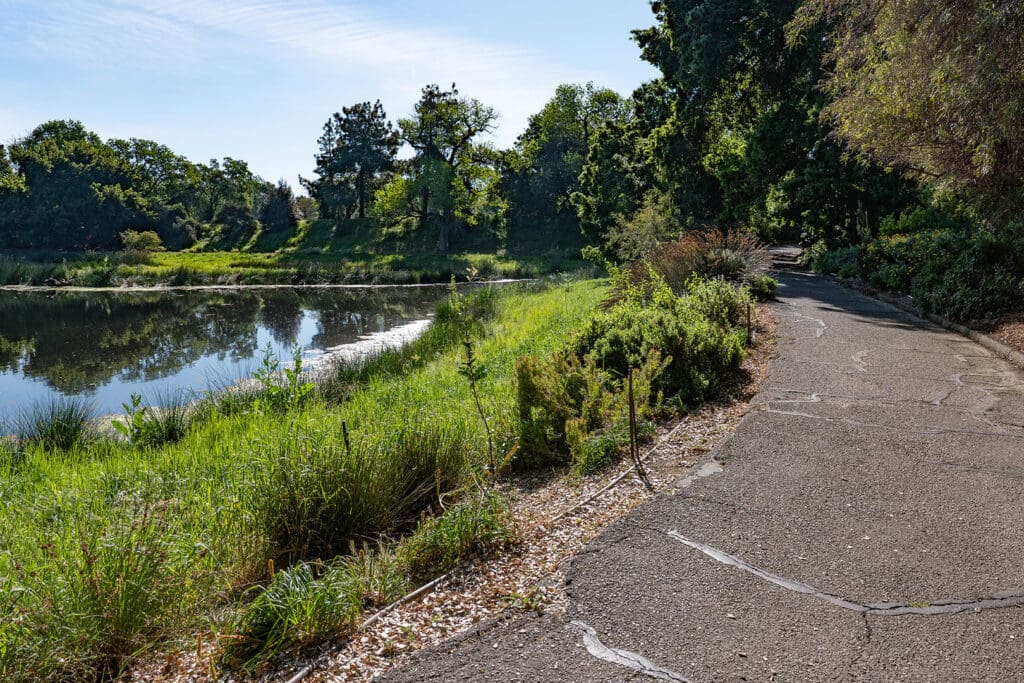
The UC Davis Arboretum has gardens and trails that provide visitors an opportunity to see wildflowers blooming in the springtime. According to assistant director Nina Suzuki, California poppies, lupine, redbuds and California wild lilac are blooming now.