
The Abridged version:
- Caregivers face an array of challenges when trying to balance caring for a loved one with maintaining their own lives.
- Local agencies, including the UC Davis Healthy Aging Clinic and Del Oro Caregiver Resource Center, offer tools to help caregivers.
- Both experts and caregivers agree that self-care is essential for caregivers to avoid excessive stress and burnout.
This story was reported by a member of the Abridged by PBS KVIE Community Reporters program. The Community Reporters program empowers local residents to report stories with guidance and support from the Abridged editorial staff.
In living rooms and kitchens across the Sacramento region, difficult conversations are unfolding as families face one of life’s most emotional transitions: caring for an aging loved one who needs more help than you can give.
For Elk Grove resident April Sullivan, that moment came unexpectedly — but with unusual clarity.
“My father called me up out of the blue one day and said, ‘I’m tired of living alone. I think I should go to an assisted living facility. And I don’t think I should be driving anymore, either,’” Sullivan recalled.
For months, Sullivan had been driving an hour away to help her father. His decision to be admitted into care brought relief — but not without emotional weight. Sullivan calls her family some of the “lucky ones” and stays positive; her father made the decision on his own and had resources.
“Still, it was kind of nerve-wracking,” she said. “It was like sending your kid off to kindergarten for the first day.”
Even when a loved one makes the choice, the transition can stir guilt, doubt and family tension, Sullivan remembered. Some of her relatives initially resisted having her father go outside the home for care. “They just couldn’t handle it,” she said.
“I had to tell them, ‘It’s really not your decision — it’s Dad’s.’”
Caregiving can affect family dynamics
Not every family has such a smooth transition. Caregiving often reshapes family roles and brings intense emotional strain.
Sullivan remembers constant worry and questions in the early days: “Will he make friends? Will he be comfortable? Will he be able to find his way around?” she said.
Even after the move, the responsibility did not disappear.
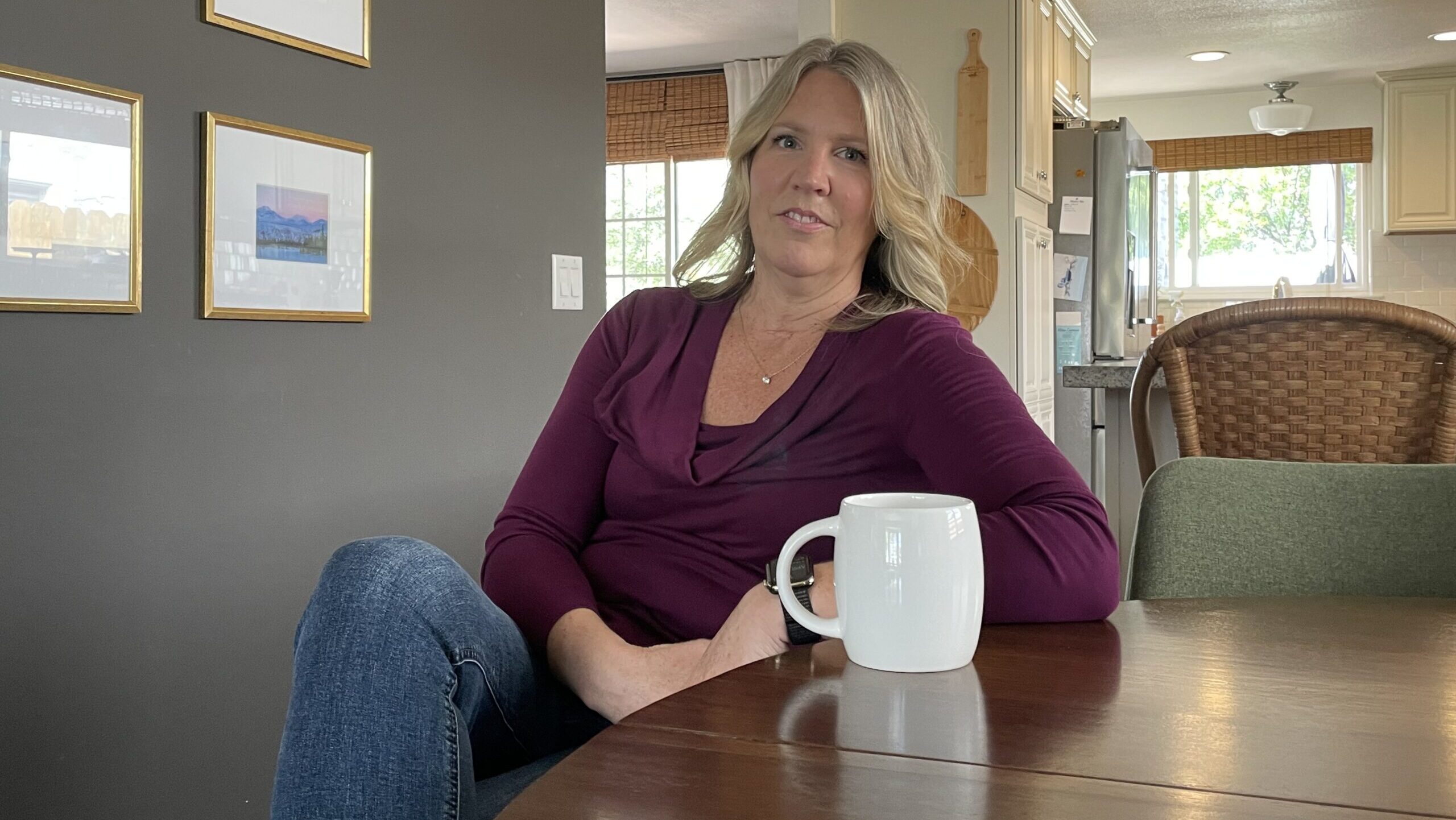
“Every time I visit, I feel like it’s not enough,” she said, sitting barefoot in a warm home sipping coffee in front of photos of her family’s memories.
Caregivers need care too
Sullivan insisted that self-care is not just optional for a caregiver, it’s mandatory.
At first, she tried to manage everything alone, checking on her father’s care, doing laundry, coordinating needs. Eventually, she reached a breaking point and found resources.
It was like the oxygen mask on an airplane metaphor: “You have to take care of yourself first or you have nothing to give,” she said. Sullivan began having conversations with her siblings to pitch in. She got free counseling sessions. The results were immediate.
“I had more energy. I was happier. I had more patience,” she said. “You have to step away from that space sometimes. It weighs on you.”
Self-care can be life-or-death need
Another Sacramento area resident, Carla Keen, moved her mother from a home in Los Angeles to long-term care four years ago. She recognized immediately the need for self-care.
“It’s a life-or-death move,” she said.
“I needed to protect my life. I needed to make sure I stayed married,” she said. “It’s too much. … You need to get away. Even if it’s just having a cup of coffee by yourself.”
Keen noted that opening up to friends and neighbors about your situation can pay off. She found out about the UC Davis Healthy Aging Clinic while talking to a neighbor. Both Sullivan and Keen’s parents were eligible for referral from their physicians within the UC Davis system.
Keep up with Community Reporters
Stories from Abridged by PBS KVIE Community Reporters are regularly featured in our morning newsletter.
Getting help with emotions
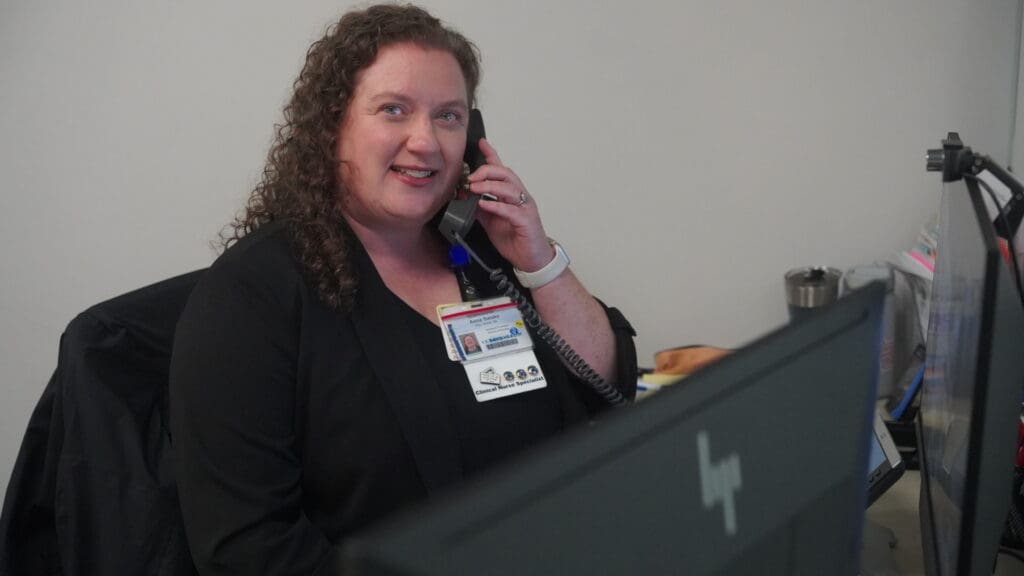
There is a wealth of resources for caretakers of patients referred by UC Davis physicians or on eligible health plans, said Anna Satake, who coordinates care at Davis’ Healthy Aging Clinic. Satake is an registered nurse, has a doctorate in geriatric practice and is an assistant clinical professor at the Betty Irene Moore School of Nursing.
“Not everyone has the emotional capability to be at a bedside,” Satake said. One of the hardest struggles is breaking promises, which poses a moral dilemma: “Do I break my word to act in my loved one’s best interest?”
“Till death do us part is sometimes unrealistic,” Satake said. “How do you meet that promise when you yourself are facing health conditions, not sleeping at night because your loved one is wandering. Sometimes you need to give yourself permission to break that promise.”
While caregiving can feel isolating, it doesn’t take Cadillac health insurance to get caregiver support. Sacramento’s Del Oro Caregiver Resource Center provides free, specialized services to support family caregivers of adults with chronic conditions or diagnoses like dementia and stroke.
“We developed our services based upon what we were hearing from clients,” said Michelle Nevins, executive director. “We can be someone who understands what caregivers are going through and provide resources and a listening ear.” Del Oro provides a wide range of free services including family consultation, case management, respite care, short-term counseling, education and legal and financial consultation.
Del Oro’s 13-county service area includes Alpine, Amador, Calaveras, Colusa, El Dorado, Nevada, Placer, Sacramento, San Joaquin, Sierra, Sutter, Yolo and Yuba counties.
Mental health tools are available
Aging and memory loss often go together. Nevins very often help families whose loved ones are dealing with memory loss.
“It’s difficult,” Nevins said. “You’re slowly losing the person that you once knew; they’re leaving you before your eyes.”
Caregivers need mental health support as much as their loved ones, she said. Both UC Davis’ Healthy Aging Clinic and Del Oro Caregiver Resources coordinate mental health counseling for caregivers.
Satake too has seen families struggle with their emotions. “When the person doesn’t remember that you were just there yesterday, it can be heartbreaking,” she said.
When dealing with brain issues like dementia, both Satake and Nevins advised against arguing with the person or correcting their reality. Sometimes little white lies are OK if the goal is to comfort, they said.
Sullivan had that experience with her father, who imagined there was a hole in the ground in front of him.
She got creative.
“If he thinks there’s a hole in the ground, you say, ‘Let’s go get a shovel and fill it in.’” The goal, she said, is comfort — not winning an argument.
Imperfect is OK
When life throws a string of curveballs, it’s OK to drop one or two. For Sullivan and Keen, caregiving has been a journey filled with trial and error, but also moments of clarity.
“You’re not always going to feel like you’re doing enough,” Sullivan said. “Sometimes just being there is the best thing.”
Letting go of guilt
As a Japanese American, Carla Keen said that guilt is a common feeling for caregivers — one that can be intensified by cultural expectations.
“Good children take their parents in,” she said. Navigating those feelings, she left her career as a teacher and educator to provide care to her mother. “Not everyone can do that,” she said.
“There’s guilt with making decisions like selling homes, giving up driving or making medical choices.”
It’s still not easy; Keen almost had to cancel this interview because her mother fell. Luckily, she wasn’t injured.
More resources
Kaiser Permanente offers its patients and families information on caregiver resources. Local assistance is also available through ACC Senior Services, which provides in-home respite care, Meals on Wheels, transportation and utility assistance, and friendly visitor and check-in programs.
James Smith is a member of the Abridged Community Reporters program. A retired nurse investigator for the state of California, James studies French and bikes along the American River Parkway in his free time. He lives in Midtown with his husband of 26 years.