

The Abridged version:
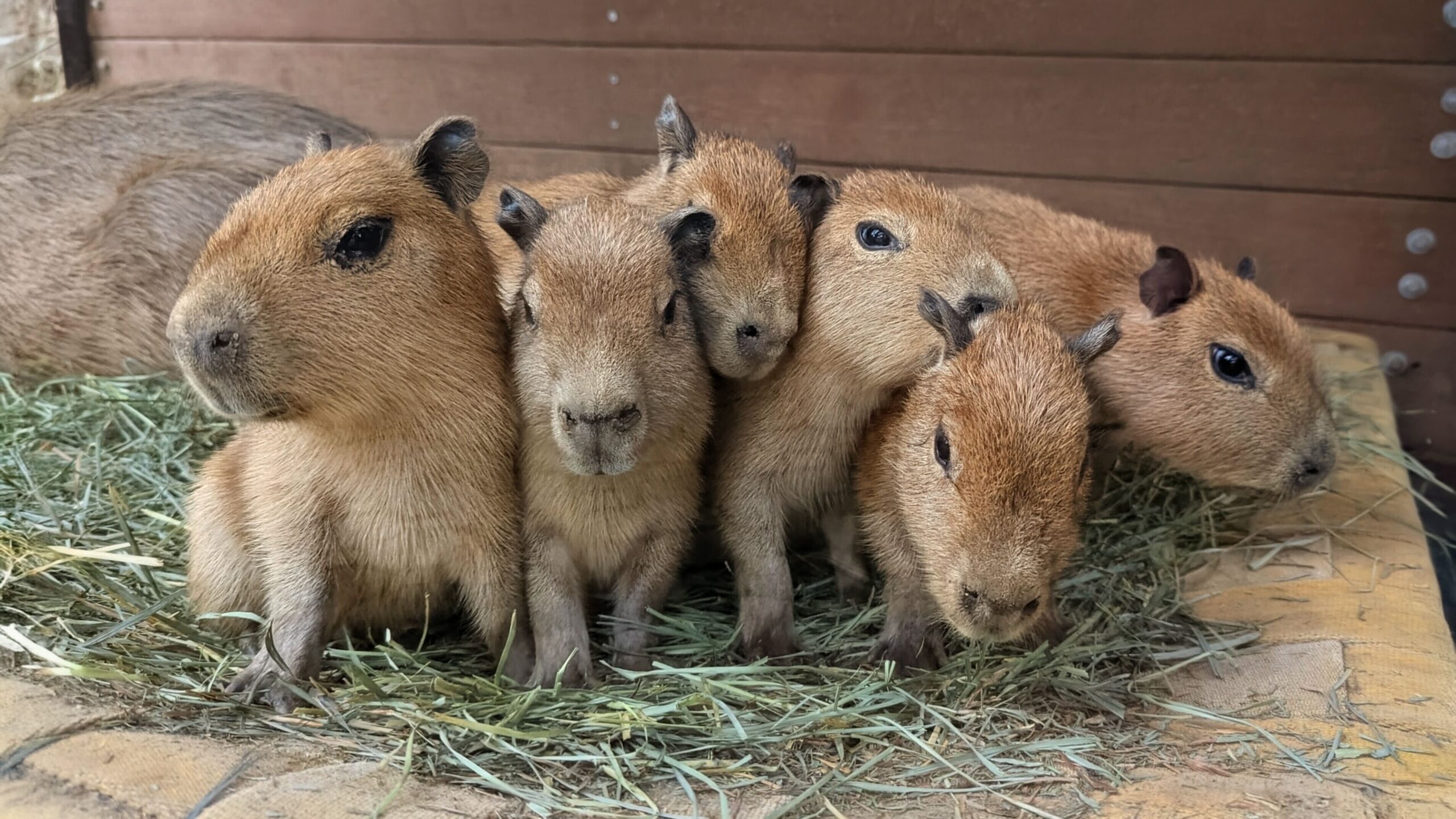
- A capybara named Peppermint Patty gave birth to six pups who are already exploring their habitat alongside their mom, the Sacramento Zoo announced Monday.
- Capybaras are the largest rodent in the world, weighing as much as 170 pounds and measuring 3 to 4 feet long.
- The best time to see the capybara pups is between 10 a.m. and 1 p.m. They get sleepy later in the afternoon.
At the Sacramento Zoo, there’s a new kind of buzz in the air coming from one very adorable must-see corner of the park.
Six baby capybaras are now part of the family.
Three-year-old Peppermint Patty, a familiar face at the zoo, gave birth on April 18 to her second Sacramento litter. And already, they’re doing exactly what capybaras do best — quietly stealing the spotlight.
“These pups are adorable,” said Sydney Amestoy, communications coordinator at the Sacramento Zoo. “They are fun to watch as they interact with their environment, especially since they are so capable to do so much at such a young age.”
The pups move together in a loose cluster, breaking formation before drifting back again in an affectionate display.
A quick start to life
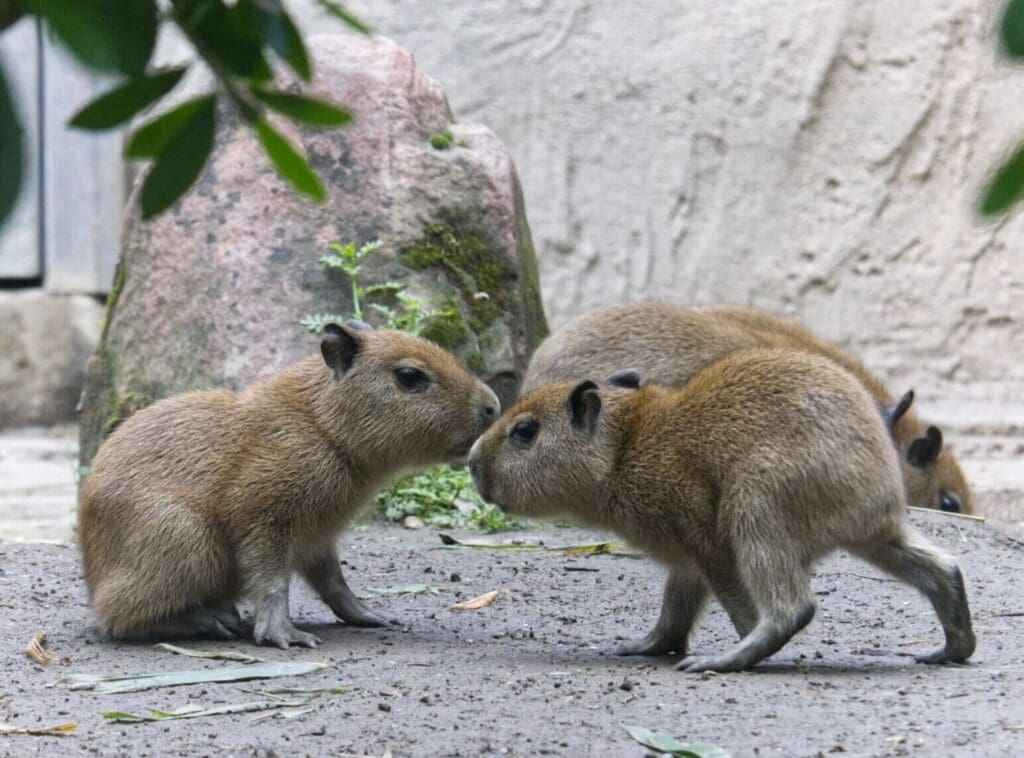
Capybaras don’t spend much time in a newborn stage, hidden from sight. These pups were on their feet almost immediately, and within days, they were navigating their habitat with surprising confidence.
“They’re big fans of bamboo leaves so far,” said Anela Medeiros, the zoo’s lead capybara keeper. “They’re all curious and learning how to navigate their world well.”
In the wild, that early mobility is essential. The pups are born precocial – able to fend for themselves – and are up and walking shortly after birth. Capybara pups begin grazing within their first week and stay close to their group for protection, surrounded not just by their mother, but by the structure of the herd itself. The zoo says Peppermint Patty and pups are healthy.
Zoo leaders say the reaction from visitors has been immediate.
“It’s an exciting time for the zoo,” said board president Elizabeth Stallard. “All six of the little ones are doing well, and guests can already catch a glimpse of them as they explore their habitat with mom. They are adorable because they just look like miniature versions of their parents.”
That’s part of what holds attention. They look fully formed, just scaled down.
A social species from the start
Capybaras are known for their social structure, often living in groups that move and function together like a family. That instinct is already visible at the zoo.
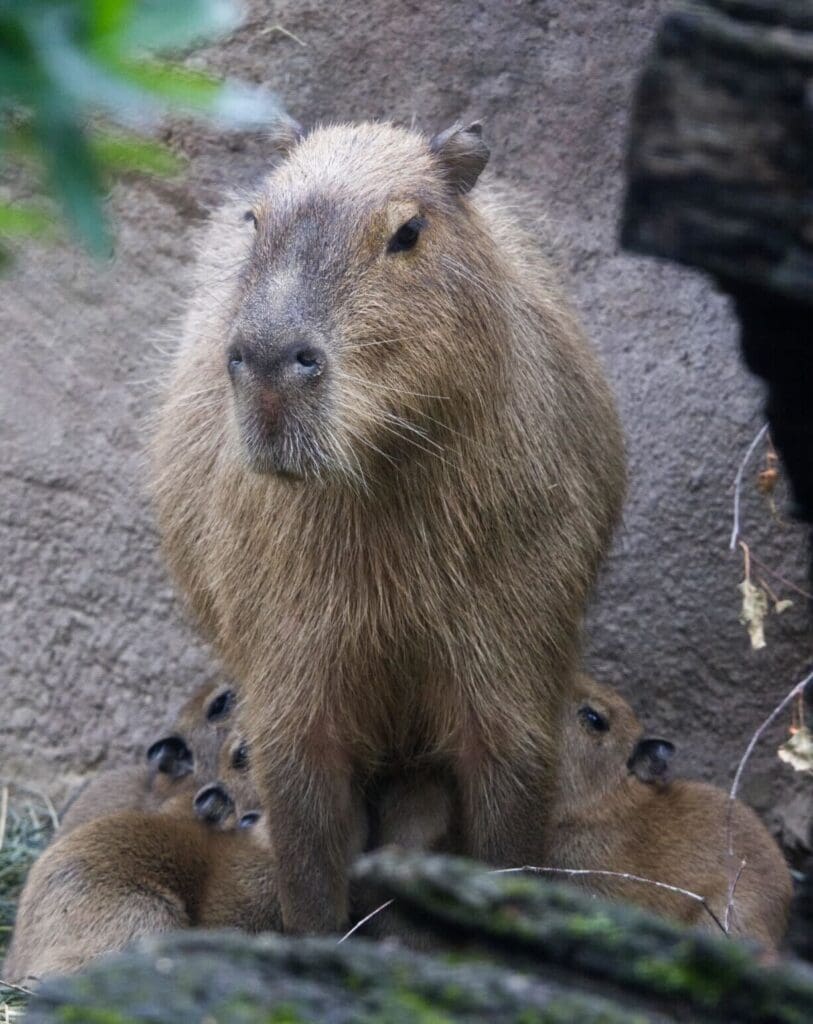
The pups rarely stray far from one another. Peppermint Patty pretty much remains at the center of the litter, and she is steady and consistent. Zoogoers will quickly see she allows them to explore, but her presence anchors the group. The previous litter, born in October, are already weaned from their mother and are being held in a separate capybara habitat.

When to see them
For visitors hoping to catch the pups at their most active, timing matters.
They have access to their outdoor habitat throughout the day, but late morning, between 10 a.m. and 1 p.m., offers the best chance to see them moving, grazing and interacting. As the day goes on, their energy fades into longer stretches of rest.
The bigger picture
Behind the scenes, the births are part of a broader conservation effort. The zoo participates in the Association of Zoos and Aquariums’ Species Survival Plan, working with other accredited institutions to support healthy, sustainable capybara populations. The capybara is not currently classified as an endangered species. Deforestation is destructive to habitat formation, and capybaras are often poached for their meat.
But at the Sacramento Zoo capybara habitat, all eyes are on the capybara pups and Peppermint Patty’s proud moment. A mother again, bringing out the child in all of us.

Rob Stewart is a senior correspondent and host for PBS KVIE, and reports for Abridged.