

The Abridged version:
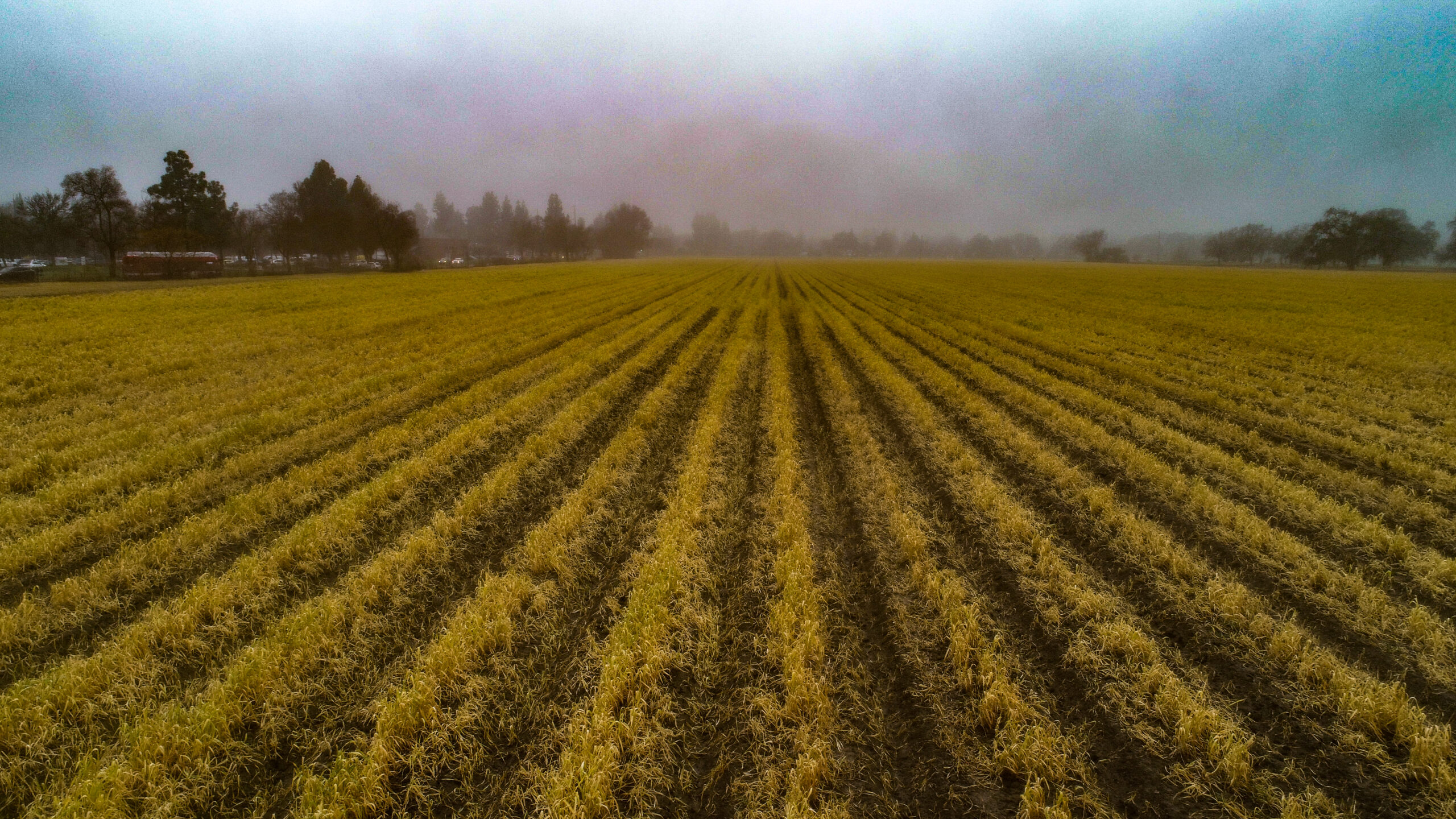
- California Department of Fish and Wildlife authorities are investigating the property and once-proposed site of Village Farms, a controversial housing project in Davis.
- The property, which was found to host endangered vernal pool tadpole shrimp, was recently disced for agricultural purposes. A fish and wildlife spokesperson confirmed the status of the ongoing investigation and declined further comment.
- Village Farms was narrowly rejected by Davis voters in June.
The California Department of Fish and Wildlife has opened an investigation into the site of the proposed Village Farms development in Davis, a state wildlife spokesperson said.
The investigation comes nearly four months after voters rejected the Village Farms proposal, which would have added just under 2,000 units of housing to currently farmed land.
Sandy Whitcombe, who is part of a group of families that own the property, said Fish and Wildlife recently contacted the property owners inquiring about the farmland’s habitat, which includes an area where federally endangered vernal pool tadpole shrimp were found during the project’s environmental review process.
Sign Up for the Yolo County Newsletter
Stay in-the-know on all things Yolo! Weekly email with stories and insights from Yolo County reporter Daniel Hennessy.
Tadpole shrimp live in seasonal wetlands and vernal pools, which are depressions that fill in the wet season and dry over the summer. Their eggs survive in the soil and can be crushed by agricultural activity.
The property has been tilled in years past as part of routine agricultural maintenance. Similar preparation of the land has taken place at the property in recent weeks, as it will continue to be farmed.
Whitcombe said that she and property owners were not aware of the law enforcement nature of the investigation by state wildlife authorities.
“When CDFW reached out, our understanding was that they wanted to view the habitat and provide recommendations we’d pass along to the farmer, and we were glad to say yes. We’re told to expect those in the next couple of weeks,” she said in an email.
The fish and wildlife spokesperson would not elaborate on possible violations, citing the active investigation.
Environmental concerns
During the bruising campaign that led up to the Measure V vote in June, one of the main sources of contention was the environmental effects of building Village Farms.
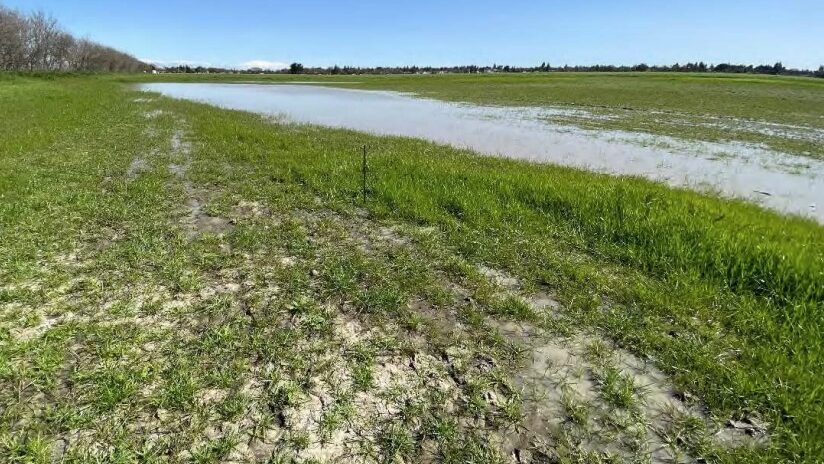
As part of the environmental impact report process, the development group contracted with a third party to conduct surveys of biological resources present at the site. Most of the land is flat, but one corner of the property fills with water during the rainy season.
In that portion of land, classified by the biologists as an alkali playa or vernal pool, the endangered tadpole shrimp were found.
Vernal pools are unique habitats to parts of the Central Valley, distinct from surrounding land because of a depression and hard underground layer that prevents rainwater from soaking into the soil. Specially evolved plants and animals live in the pools, which were once commonplace in the region.
But development and human activity have consistently destroyed vernal pools over the decades, contributing to the habitat dwindling to almost 10% of what it once was. That, in turn, has diminished numbers of vernal pool reliant species like the tadpole shrimp, which are known by scientists as “living fossils” because they haven’t changed in appearance for roughly 2 million years.
To address concerns related to the existence of this shrinking habitat on the project site, Village Farms developers and the city negotiated to include a nature preserve in the final design. That would have meant that construction largely avoided the main vernal pool.
Since the project was rejected, the agreement in its negotiated form doesn’t apply.
“The EIR was prepared for the proposed housing and habitat project, so since that project didn’t move forward, its mitigation measures aren’t in effect,” Whitcombe said.
Instead, the land is actively being used as farmland, which is what it was in years past.
Despite the existence of endangered species, the former Village Farms property is not considered critical habitat by the U.S. Department of Fish and Wildlife. In recent years, the land has been disced and farmed for agricultural purposes.