
The Abridged version:
- A settlement reached between solar developers and environmentalist groups on the high-profile Coyote Creek solar project stipulates the protection of thousands of trees.
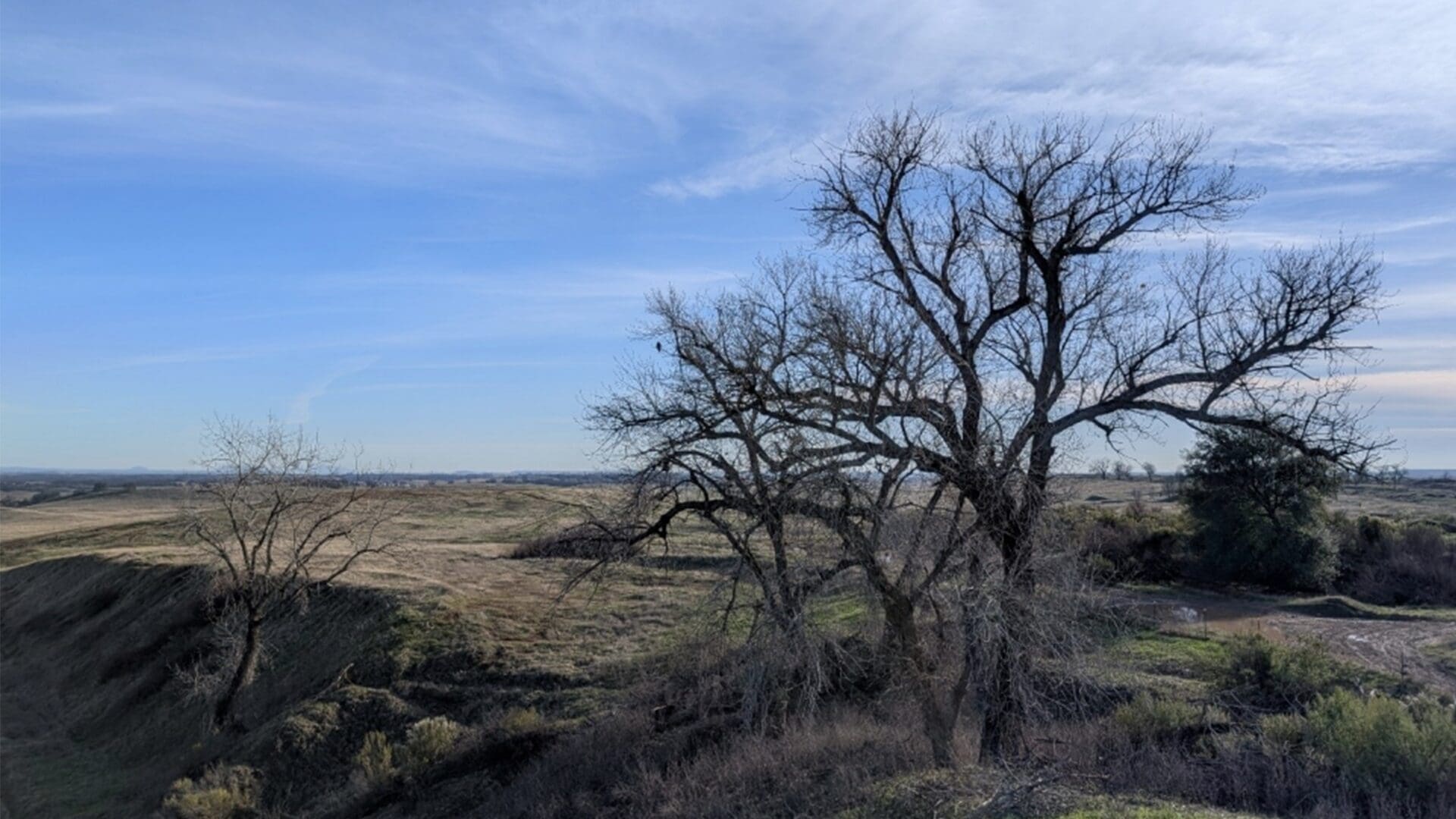
- The agreement caps mature blue oak tree losses at 200, instead of the initially proposed 3,500.
- The settlement resolves a CEQA lawsuit, but separate litigation filed by Wilton Rancheria over tribal cultural resources remains active.
Developers of the proposed Coyote Creek solar project agreed Friday to protect thousands of oak trees and conserve more than 1,300 acres of a Sacramento County ranch, resolving a high-profile environmental lawsuit.
The settlement resolves a California Environmental Quality Act lawsuit filed by the Environmental Council of Sacramento and the California Native Plant Society against the developer of the Sacramento County-approved project.
“The California Environmental Quality Act is not meant to stop projects,” said Carol Witham, ecologist and CNPS treasurer, in a phone interview with Abridged by PBS KVIE. “It’s only meant to improve them.”
Sign Up for the Morning Newsletter
The Abridged morning newsletter lands in your inbox every weekday morning with the latest news from the Sacramento region.
Under the new terms, oak losses are capped at 200 trees, 1,369 acres are placed in permanent conservation and project boundaries are pulled back from sensitive vernal pool drainages and adjacent recreational lands, according to a news release.
With these changes, Witham said residents will see “a lot more blue oak woodland remaining” and “a lot tighter configuration of the solar panels.”
The biggest change, she said, is that the developer can’t scale the project later.
“No potential for them to expand their project in the future because of the conservation easements we negotiated on the balance of the ranch,” Witham said.
The settlement also details a reduced project footprint, enforcing expanded buffer zones and a dedicated third-party conservation land mitigation to ensure oversight for oak tree replanting.
“We look forward to seeing this project to completion,” William Risse, a legal representative for developer Sacramento Valley Energy Center, wrote in an email.
Sacramento County officials did not respond to a request for comment by time of publication.
In a November 2025 unanimous vote, the Sacramento County Board of Supervisors faced community backlash for approving the destruction of 3,500 mature blue oak trees through a “Statement of Overriding Considerations.” At the meeting, nearly 900 public comments were submitted, according to a news release from the California Native Plant Society.
Witham credits the community speaking out as a main driver behind reaching a settlement.
“We had tremendous rallying during the board of supervisors meeting, and they chose not to pay attention to what the community was saying,” Witham said. “The community is who ended up negotiating a much better plan than the board of supervisors could have negotiated themselves.”
Environmental council Policy Analyst Luz Lim also credited community support with how they reached an “overall victory.”
“We saw the community response and that they cared about it, and we really appreciated that,” Lim said. “I just can’t give them enough kudos for their support, so I just encourage people to get out and speak out when they feel strongly about an issue.”
Additional groups involved in the complaint include the California Four Wheel Drive Association, the American Sand Association and the Blue Ribbon Coalition, who voiced the project’s endangerment of recreational spaces to the region.
Meanwhile, litigation continues from the Wilton Rancheria involving the potential desecration of ancestral village sites, sacred oak groves and cultural resources.
“We let them know that we were settling and they let us know that they were OK with that and continuing on with their lawsuit,” Lim said. “We feel good about the support that we’ve all shown each other in this process.”
Lim added she hopes the deal sends a message beyond this project. In particular, involving community advocates and environmental land stewards earlier in the design process.
“I hope that this sends a signal out to project developers in the future to really be mindful and take the environmental impact seriously,” she said.