

The Abridged version:
- Rancho Cordova leaders approved a land sale and environmental reviews for Downtown Dova, boosting the project forward.
- The $1.2 billion project is centered around a 7,500-seat arena, plus two new hotels, up to 1,000 new housing units, restaurants, retail and public gathering spaces.
- City leaders will make a final vote Nov. 2, deciding on up to $185 million in fee waivers and incentives.
Rancho Cordova City Council cleared the way for an ambitious new arena and city center project to move forward.
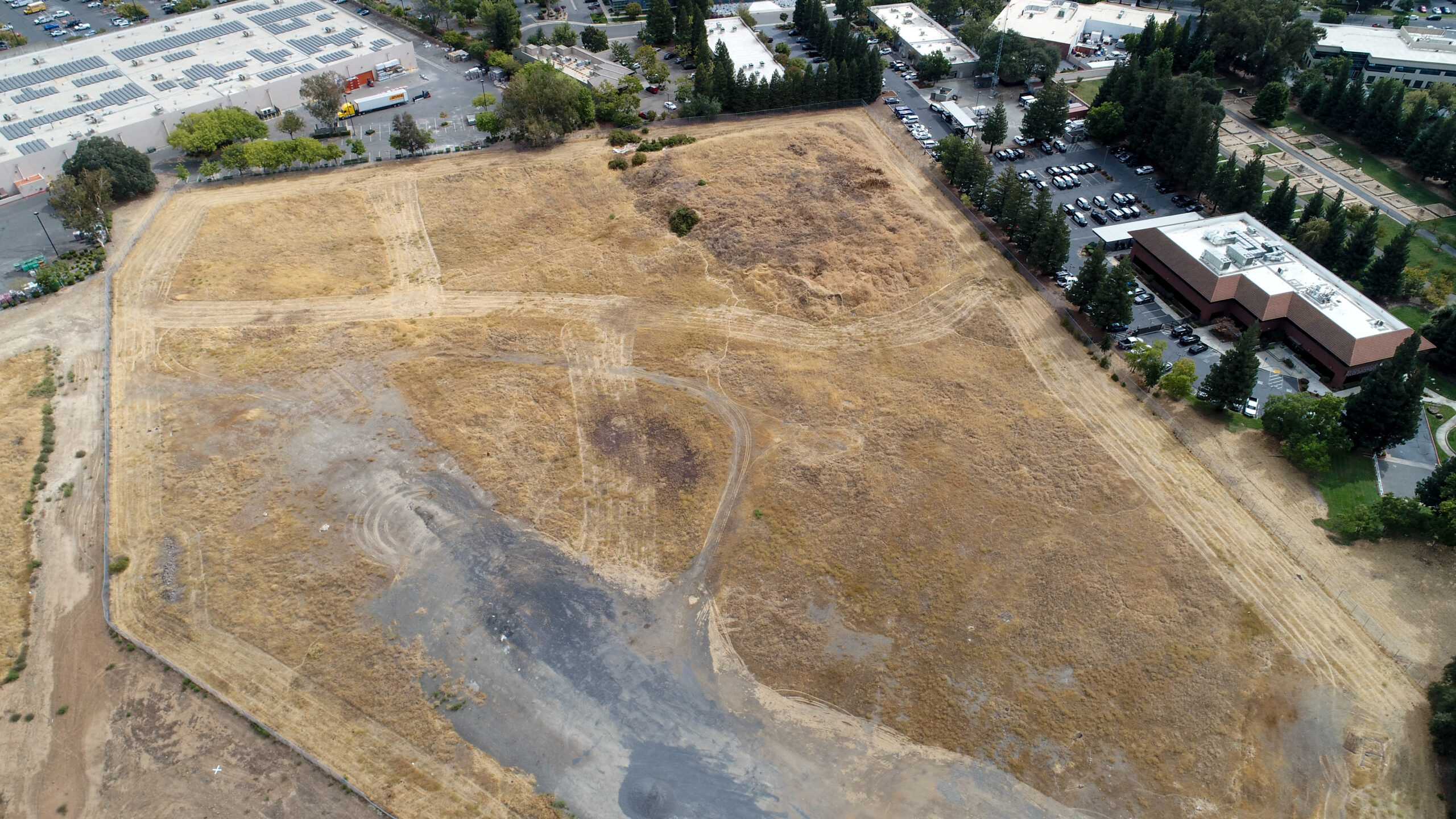
The $1.2 billion project, which has been dubbed Downtown Dova, has the potential to create a new downtown for the city and provide a large boost to Rancho Cordova’s entertainment options.
The council on Tuesday night voted 4-1 in favor of a land sale for the project site, as well as approvals for the design and environmental reviews for the project. Councilmember Joe Little was the sole dissenting vote.
“For years we talked about getting a real downtown, a place that belongs to Rancho Cordova,” Councilmember Siri Pulipati said. “Rancho Cordova deserves to think bigger about this future we need to grow and progress.”
The project would be anchored by a 7,500-seat indoor arena aimed at hosting everything from sporting events and concerts to graduations and trade shows. At full build out, the 28-acre site would also see two hotels, up to 1,000 housing units, new restaurants and retail options plus a public plaza.
Sign Up for the Morning Newsletter
The Abridged morning newsletter lands in your inbox every weekday morning with the latest news from the Sacramento region.
A pair of local developers, Joshua Wood and Charanjeet Tiwana-Purewal and their company KozPure Development, LLC, are behind the project. Wood previously worked closely with the team that shaped Golden 1 Center’s development in Downtown Sacramento.
With the recent vote, Rancho Cordova is set to sell 12.5 acres of city owned land at Kilgore Road and Trade Center Drive for the project. The city previously planned to gift the land to the developer but now will receive about $3.5 million from the sale.
A city with social pockets, but no downtown
When Rancho Cordova was incorporated as a city in 2003, much of the the urban planning saw the city laid out as a subburb, rather than a centralized community with a main street.
Neighbors bump into one another the Starbucks at Capital Village or while grocery shopping at KP International Market, but the city currently doesn’t have a central meeting place.
City Manager Micah Runner described the city as having “nodes of activity” rather than a central city. The Downtown Dova project could make strides to change that.
“We see this as an opportunity to do something big, to make a splash, to make a destination,” Runner said.
Runner added that he hopes the project can also serve as a catalyst for more businesses to crop up outside the Downtown Dova site.
“All of us who live here know, if you want to go to a major event or fine dining, you go somewhere else,” Wood said. “Those dollars could be staying here in our community.”
Wood anticipates that the arena could host 220 events per year, between concerts, sporting events, trade shows, graduations and conferences.
Professional indoor soccer would be one of the major tenants of the new arena. Major Arena Soccer League plans to add both men’s and women’s teams to the Rancho Cordova arena.
Residents take issue with city financing
Skepticism around the project centered on concerns over the city’s financial role.
Little, who voted in opposition Tuesday night, said that city staff told him that there “probably won’t be any economic benefit” from the project, especially with the fee waivers and tax revenue sharing elements of the financial plan.
“It’s offensive … to see the city be so cavalier with our precious funds for a net-wash economic benenfit, just for entertainment,” Little said.
No public bonds or significant debt are on the table, but the city is considering up to $185 million in fee waivers and tax incentives. Multiple residents spoke before the council taking issue with the financial agreement between the city and the developers.
“I do object to this plan that requests a substantial public funds and resources gift,” resident Denis Edgren said. “Tax sharing is really tax gifting, and will help the developer and the investors profit lines.”
Councilmember David Sander refuted those claims, and urged that the arena would not only attract events, but attract more people to want to live in the city and shape the economic future of the city.
“We are a ‘can do’ city,” Sander said. “This is the city where the space race was run … We’re not going to run away and hide because someone thinks that sharing revenue in a future facility is too expensive for us.”
Over the course of the five-hour hearing, numerous residents, local hotel owners and members of the building trades gathered to show their support for the project
Rancho Cordova local Jordon Stutsman told the council that though he was born and raised in the area, the city was not where his family spent their time.
“This will really put us on the map not just as another commuter suburb but a place to be,” Stutsman said.
Council to vote on $185 million incentives next
While the project is not leaning on direct public financing or bonds, the Rancho Cordova city staffers estimate the city could eventually cover $185 million in fee waivers and incentives.
The arena project alone is expected to require $17.2 million in waivers for development impact and building permit fees. Those waivers would be covered by the city’s general fund through a series of internal transfers.
Further financial support would kick in as a “site activation” as more of the project gets built out. For example, when more of the retail aspects are built out, the city would begin covering the cost of police services and emergency medical staff.
At further build out, the city would also cycle a portion of its tax revenues back into the Downtown Dova project. That includes sharing a portion of the sales taxes and new transient occupancy taxes generated.
A final vote on the financial agreement for the project is planned for Nov. 2.