The Abridged version:
- The South Lake Tahoe City Council race is packed, with candidates attempting to address concerns about the current council.
- The last two years of city government have left people dissatisfied with the council’s conduct — including two arrests — and decisions on hot button issues like vacation home rentals.
- Voter turnout is likely to be high for the race in the local spotlight.
Three seats are open on the South Lake Tahoe City Council, and 13 people are running — an unusually high number for a local race and triple the number of candidates who ran in the city’s last council election.
But the past two years, and indeed much of the last decade, have been a rocky adjustment for the city, which dealt with a high-profile embezzlement case involving a sitting mayor, assault and trespassing charges filed against the mayor’s stand-in and the passing of a controversial rental homes ordinance.
Here’s how this crowded race formed and what the interest in joining the council means for voters in the area.
Mayoral missteps
Last year, South Lake Tahoe’s mayor and mayor pro tempore — essentially the vice mayor — both got into major controversies.
Former mayor Tamara Wallace wrote a letter to local publications admitting to embezzling from a Lake Tahoe Presbyterian church while serving as its bookkeeper, totaling nearly $390,000. She stepped down as mayor shortly after, leaving an empty seat on the council. El Dorado County handed Wallace’s case to federal prosecutors and the FBI in late 2025, and she was officially charged in early-October with one count of felony wire fraud. She faces up to 20 years in prison, a $250,000 fine or both.
Sign Up for the Morning Newsletter
The Abridged morning newsletter lands in your inbox every weekday morning with the latest news from the Sacramento region.
In the same week, vice mayor Cody Bass was arrested for assault, trespassing and harassment after an altercation at a bar in Stateline, Nevada. The charge for assault was later dropped, and Bass told City Council members that he would step down if he was found guilty. The current council chose Bass to serve as mayor, and councilmember Scott Robbins was passed over for vice mayor in favor of newcomer Keith Roberts. Roberts was elected in 2024 along with former city manager David Jinkens.
In mid-August, the city extended the filing deadline for candidates interested in running. At the same time, Bass was found guilty of trespassing and harassment, and another lawsuit for harassment was filed against him by a resident of South Lake Tahoe. Unlike other council members who ran to keep their seat, Bass, who served a 10-day jail sentence in September, did not file for election despite the extended deadline.
Open seat and lawsuits
After Wallace stepped down, the council was split 2-2 on a particularly important decision — vacation home rental ordinances. A citizens’ measure that passed in 2018 called Measure T had previously restricted vacation home rentals in residential zones, but was hotly contested in court. In March 2025, a judge overturned the measure as unconstitutional, and the city decided to proceed with creating a new ordinance. Neighborhood groups decided to file legal action regarding the measure, and litigation is still pending.
The split vote on council was not budging without a new appointee for the council, and hours of meetings were dedicated to interviewing applicants. Twenty-six people filed an application for the open seat, including previous candidates from the 2024 race. Dark horse Heather Horgan, a nurse who lives in South Lake Tahoe but primarily works in the Bay Area, won over City Council. Previous candidates who eked out third and fourth place behind Jinkens and Roberts felt as if they’d been passed over.
Ultimately, Horgan broke the split in favor of the city establishing a new vacation home rentals ordinance, which is still a sore topic for voters who anticipate changes from the legal challenge in the coming months.
Meetings running late
Another sore spot for civically engaged residents in South Lake Tahoe is the length of City Council meetings. Until the 2024 election, many of the council members had served for years and meetings ran for expected amounts of time. With the addition of new members, meeting times ballooned to seven or eight hours on average. One meeting in August took 11 hours.
Longtime attendees of City Council meetings expressed that council members spend too much time pushing their political beliefs and arguing with other council members or indirectly arguing with attendees. Discord among the council isn’t new and was a pain point leading into the 2022 election cycle. But attendees say that the chambers have become more unruly than they have been in the past.
Council members are also reluctant to give up their month off when meetings drag. South Lake Tahoe’s council takes a break in July, creating a time crunch when factored with the meetings that run well over their scheduled time. That has limited time to work on some important items, including agenda setting for the rest of the year, budget considerations and filling vacancies.
The mayor isn’t the only one who has stepped down. In the past year, the city manager, city attorney and city clerk all vacated their positions. Some speculate that it’s because of the instability of the council, with current councilmembers Scott Robbins and Heather Horgan referencing the city attorney’s departure as a direct result of council conflict on vacation home rental ordinances.
A field of 13
It’s a far cry from the 26 applications the council went through last November, but 13 candidates make for a sizable race, even for three open seats.
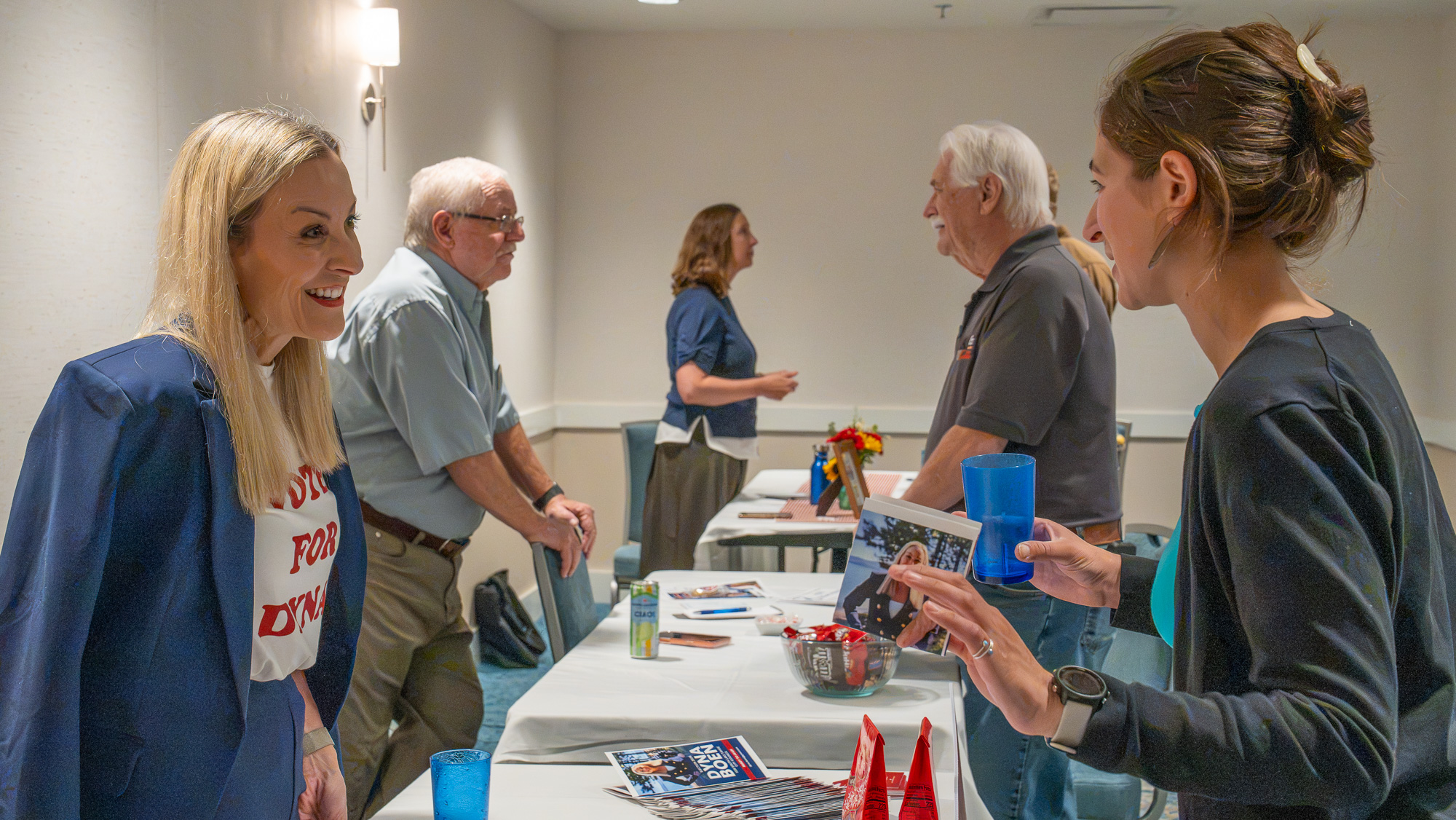
Over half of the candidates are new to politics and have not served on a commission or committee in the city. And for a city where everyone seems to know one another or have fingers in several different pies, these newcomers tout their fresh perspectives and “lack of baggage” as a boon.
The rest of the field is still eager to bring a new chapter to the city. Almost every candidate is interested in expanding housing programs and business. Others want to focus efforts in different directions: youth access and care, a greater focus on diversity or more involvement in state, federal and global politics.
Plenty of candidates are touting themselves as truly nonpartisan, able to collaborate with others, attempting to address the common complaints of recent City Council conduct.
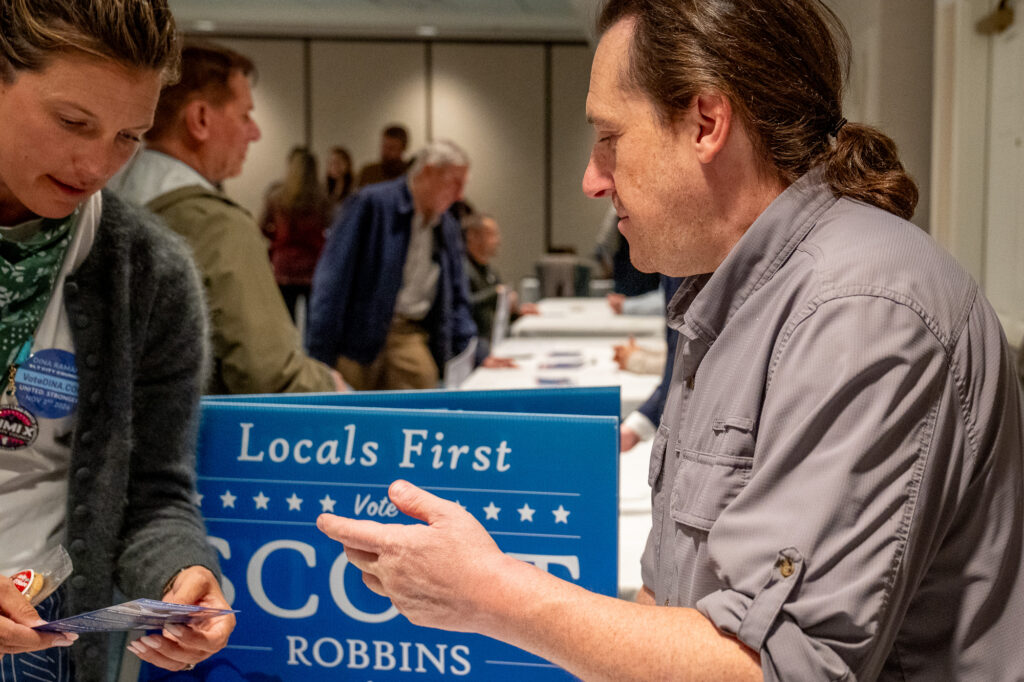
Robbins, an incumbent, and Horgan, who was appointed to the council after Wallace stepped down, take a different approach to running to maintain their seat. Robbins emphasizes the importance of his institutional knowledge in getting things done. Horgan, meanwhile, said she doesn’t see herself as an incumbent and filed paperwork as a new candidate. She said she was torn on the way that residents perceived incumbency and whether it was a good or bad thing. But local political groups are invested in both old and new faces, and incumbency doesn’t seem to factor in heavily.
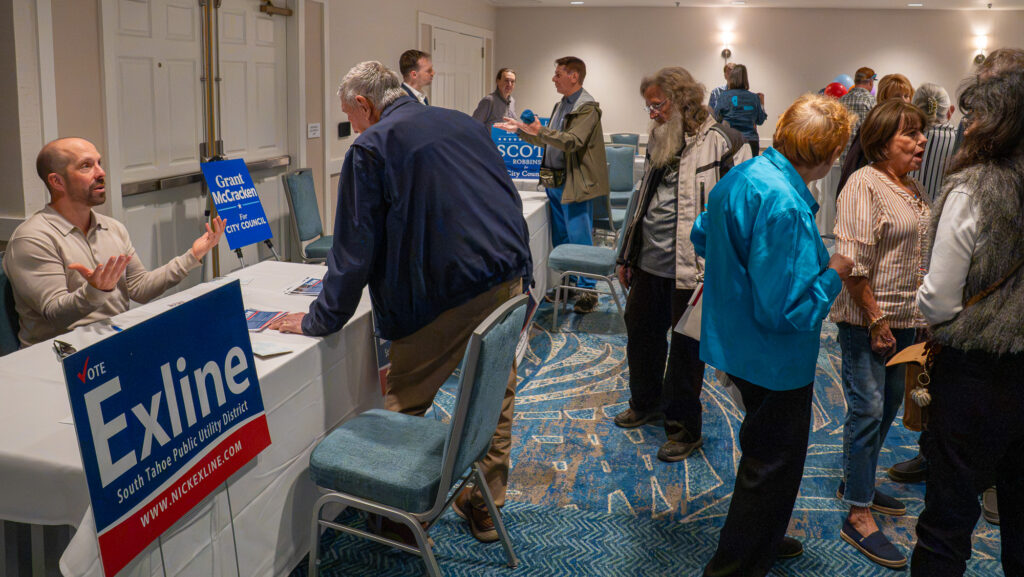
There’s real excitement and trepidation for the City Council race as mail-in ballots begin filling drop boxes and Election Day nears. Many voters can recognize the unwieldy, almost ridiculous path that has brought them to such a packed race, and sentiments range from embarrassment from old leadership to excitement at the glut of options a crowded race presents.
Overwhelmingly, the feeling is that the voters need to “get it right” this time so the city can move on from tumult to a properly functioning government.
The candidates
- Gantt Miller
- Erika Gonzalez
- Kelly O’Haire
- Dyna Boen
- Doug Williams
- Nick Piliae
- John Friedrich
- Dina Ramaha-Pino
- Veronica Morales
- Aimi Xistra
- Heather Horgan
- Scott Robbins
- Grant McCracken