

The Abridged version:
- Sacramento County supervisors had delayed their vote on the Upper Westside Project for months after the Sacramento City Council voted in opposition of it last year.
- The county’s housing plan would fill 2,000 acres outside of Natomas with more than 9,000 homes built throughout the next 20 years.
- The project steps on an environmental agreement between the city and Sutter County that allowed for a fixed amount of land development in the Natomas Basin.
The number of homes in the Natomas Basin is set to grow substantially, after the Sacramento Board of Supervisors approved construction of 9,350 new homes in the area Tuesday afternoon.
The supervisors voted unanimously in favor of the Upper West Side Specific Plan, greenlighting construction of new neighborhoods north of Downtown Sacramento that could be built over the next two decades.
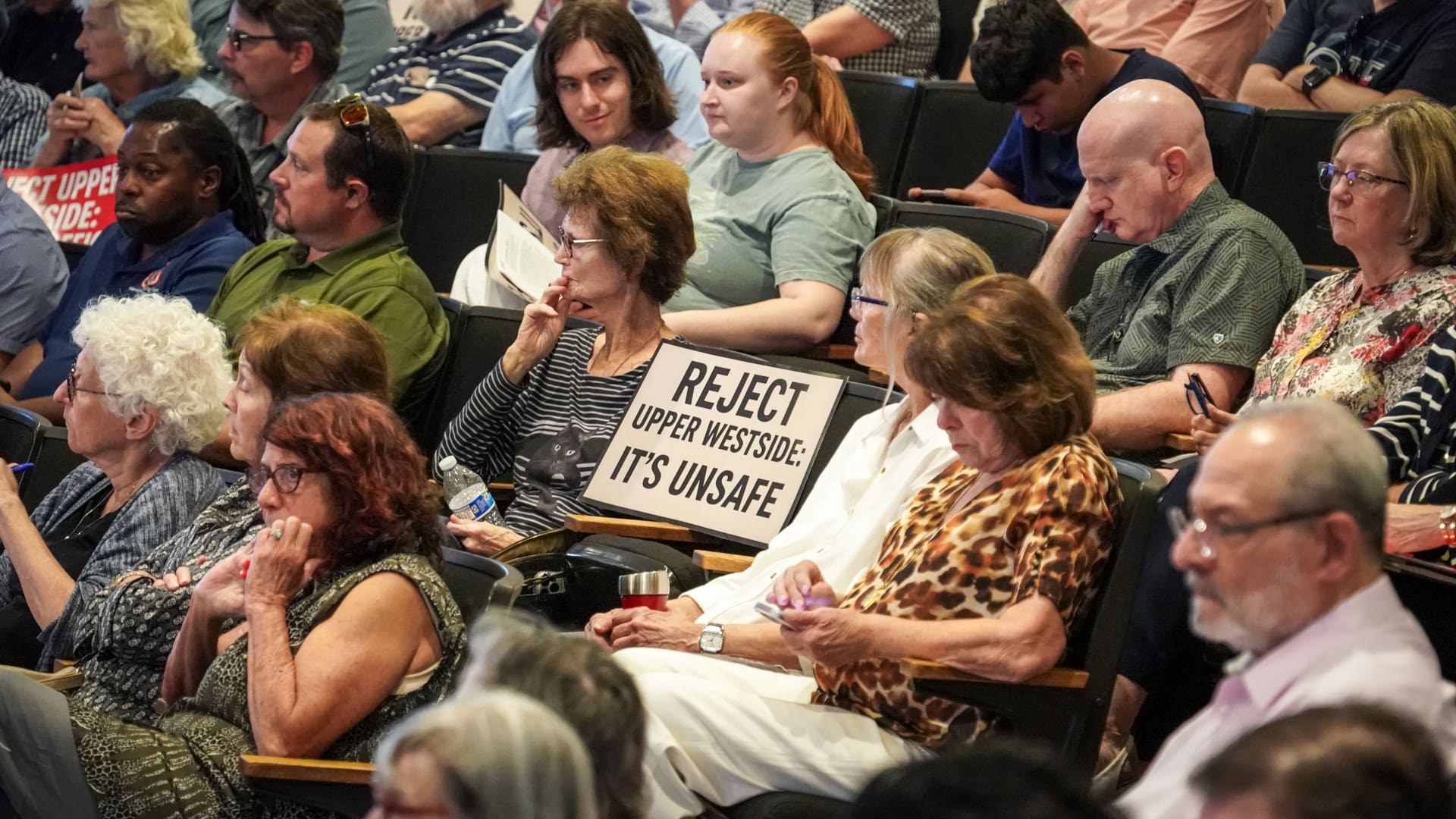
That vote arrived after more than 70 residents arrived for public comment, delivering concerns about traffic problems and the destruction of sensitive habitat in the Natomas Basin. Others pointed to the project as one way to relieve the region’s housing crisis.
Supervisor Phil Serna said the project, which has been in the works since 2018, “should have been proposed, thoughtfully, years ago.”
He said the county needs to consider both infill housing and development in new areas, such as former farmland, to meet its housing needs.
“We are way behind the ball when it comes to developing housing, of all types,” Serna said.
Sign Up for the Morning Newsletter
The Abridged morning newsletter lands in your inbox every weekday morning with the latest news from the Sacramento region.
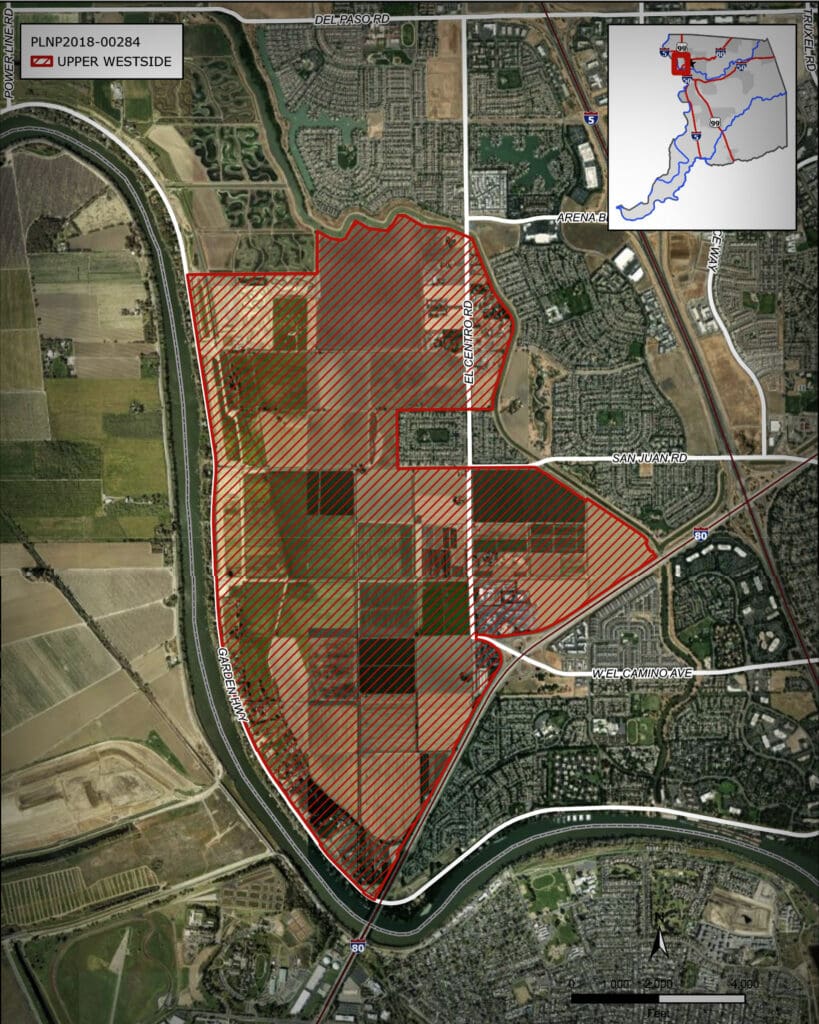
The project is described as a “master-planned” community, with room for 25,000 residents. Plans show rows of single-family homes, a network of green spaces, trails and public parks, new schools and a “town center” with apartments and storefronts.
The project would cover about 2,000 acres of land, roughly three-quarters of which is currently used as farmland. The proposed area is bounded by El Centro Road, Interstate 80 and Garden Highway. Maps also show a strip of buffer land between the east side of the Sacramento River and the west side of the development.
City leaders oppose project
Sacramento County and city of Sacramento leaders have been at odds over the project.
The Sacramento City Council voted 8-1 to formally oppose the project last summer. The county initially proposed using the city’s water infrastructure for the homes, but city staffers have not agreed to that proposal.
The day before the hearing, Sacramento City Councilmember Karina Talamantes, who represents South Natomas, called on the board to delay action.
“The city has submitted multiple letters outlining concerns related to traffic, water supply, schools, public services,” Talamantes said, in a statement. “We have been engaged in this process since 2019 and have consistently raised concerns.”
Much of the debate between the two governments centers on an agreement from 2002 that set a cap on how much land could be developed in the Natomas Basin. The agreement allowed for 17,500 acres of development split between the city, Sutter County and acreage for the Metro Air Park project.
City staff previously wrote that the county “failed” to analyze the impact of developing projects outside of that 17,500-acre limit.

Who supplies the water?
Plans to provide drinking water connections for the thousands of new homes still remain unclear.
City water main systems are adjacent to the property, but the city has not agreed to let the development use the city water infrastructure.
As an alternative, county staffers have proposed using water from the Natomas Mutual Water Company, whose water mostly serves agricultural purposes.
Those water rights would have to be converted to new rights that would allow it to be used as residential drinking water.
“If there is no transition of those water rights from ag rights to municipal-industrial (rights), the project doesn’t proceed,” said Todd Smith, Sacramento County planning director.

Environmental harm to sensitive habitat
Residents lined up to voice environmental concerns with the project, taking particular issue with the scale of the development in the Natomas Basin and its proximity to sensitive habitat near the Sacramento River.
Luz Lim, with the Environmental Council of Sacramento, told the board that as a young resident, her generation is already dealing with “decades, if not centuries, of reckless land use.”
“No amount of eco-friendly lifestyle decisions that I make … can make the impact that your singular decision will in pushing forward the destruction of thousands of acres of habitat,” Lim said.
Others took issue with potential impacts to Swainson’s hawks, worse air quality from more cars driving in the area and how the project would remove farmland. Plans from the developer noted that they would set aside farmland acres for preservation outside of the Natomas Basin in exchange for the acres converted for their project.
Heather Fargo, former Sacramento mayor and president of the Environmental Council of Sacramento, confirmed that the group plans to file a lawsuit challenging the project.
Felicia Alvarez is a reporter at Abridged covering accountability. She’s called Sacramento home since 2015 and has reported on government, healthcare and breaking news topics for both local and national news outlets.