
The Abridged version:
- Fewer Sacramento-area residents are dying of heart attacks, a trend mirrored across the state and nation.
- Cardiologists point to more awareness, better medication and improved technology to explain the declining heart attack death rate over the past decade.
- While heart attack deaths have declined, the number of deaths caused by hypertension, or high blood pressure, have risen, suggesting that chronic health problems like obesity and diabetes are more prevalent.
Acute heart attacks are killing far fewer Sacramento-area residents, reducing the burden of one of the leading causes of death in the region, new federal data shows.
In the four-county region, heart attacks caused about 560 deaths in 2025, for a rate of about 23 deaths per 100,000 residents, according to the U.S. Centers for Disease Control and Prevention.
But that rate has plummeted in the last decade. In 2015, heart attacks killed about 910 people in the region, or about 40 deaths per 100,000 residents. A similar sharp decline has occurred across the state and nation.
Local cardiologists attribute the trend to increased awareness, better medication and improved technology.
Opening the artery
Many heart attack deaths are caused by ST-elevated myocardial infarctions, or STEMI, when a coronary artery is completely blocked. During such heart attacks, doctors need to act fast using clot-busting drugs, stenting or other methods to open the artery.
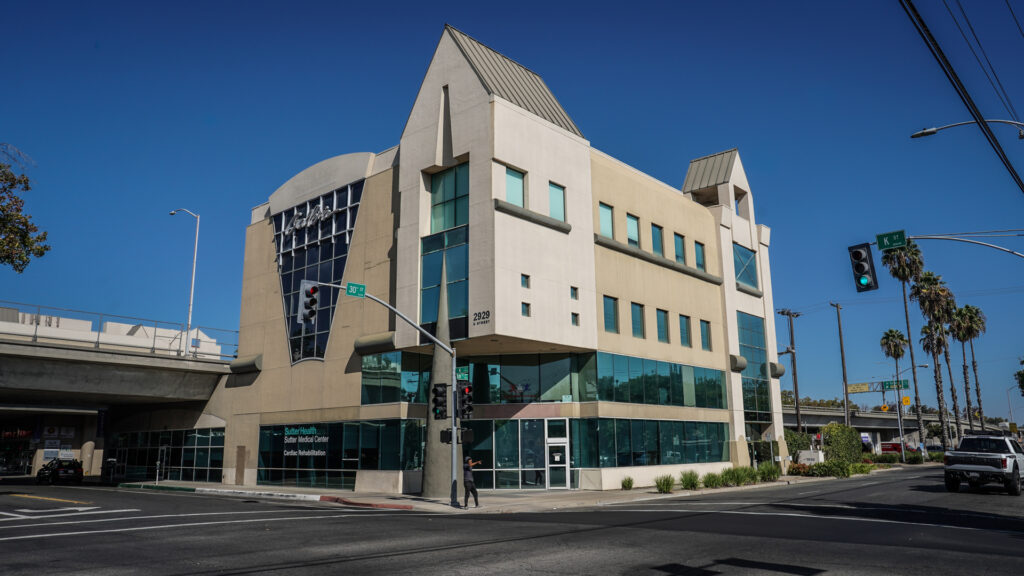
“The goal is to get that done within 90 minutes, door to balloon time,” said Dr. Powell Jose, a cardiologist at Sutter Health.
Sign Up for the Morning Newsletter
The Abridged morning newsletter lands in your inbox every weekday morning with the latest news from the Sacramento region.
The tools to open blocked arteries have improved. For instance, shockwave artery treatment involves inserting a catheter with a balloon, then releasing acoustic pulses to fracture calcium blocking the arteries, which makes it easier to expand the blood vessel.
“Almost every lab in the country has it, and it’s very easy to use — low risk of using it. I think that’s changed the game quite a bit,” said Dr. Sundeep Adusumalli, a cardiologist at Dignity Health Mercy Medical Group.
Another recent tool is the Impella device, a small mechanical heart pump inserted through a catheter that helps the heart pump blood during a crisis.
“It goes up the femoral artery into the heart and pumps the heart for the patient up to 3.5 liters per minute,” Adusumalli said. “A normal heart pumps about five to six liters per minute. So this is doing more than half of that.”
Preventative measures
Beyond technology, many patients and frontline health professionals are more aware of the risks and signs of a pending or acute heart attack, making it easier to prevent attacks or to treat them early.
“At Sutter, for example, if a patient’s telling us about chest pain, within five minutes they usually should be getting an EKG,” said Jose, referring to a test that shows the electrical activity of a heart.
More people are also on medications that can prevent heart attacks, and new medications are constantly introduced, Jose said.
“Lots of improvements in medications, whether it’s different types of newer blood thinners that are more effective at keeping blood flow through the arteries of the heart, or cholesterol medications,” Jose said.
Heart disease still prevalent
While heart attack deaths have declined, the number of deaths caused by hypertension, or high blood pressure, have risen, suggesting that chronic health problems like obesity and diabetes are more prevalent.
High blood pressure can lead to heart failure, where the heart can’t adequately pump out blood, as well as kidney disease and other types of organ damage. A heart attack, by contrast, occurs when blockage restricts blood flow to the heart.
“I think we have definitely improved and gotten better at treating the acute medical issue, heart attacks being the main example,” Jose said. “But we still have a lot of work to do when it comes to management of chronic and complex diseases that lead to increased cardiovascular risk.”
Surviving a scare
The decline in heart attack deaths accelerated during the last decade, but the trend stretches back even further. In 2000, the death rate from heart attacks in Sacramento was roughly double the rate seen today.
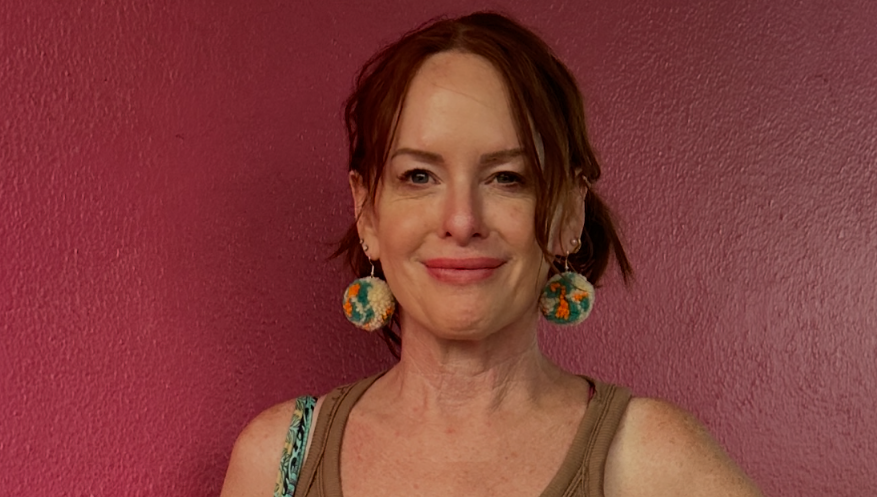
Laura Satran, a teacher and intervention specialist at Twin Rivers Unified School District, was walking her daughter to kindergarten in 2011. As they hustled across the school parking lot, she felt like something was squeezing her heart.
Satran, who was 40 at the time, made an appointment with her primary care doctor but was not initially taken seriously, so she made an appointment with a cardiologist.
Her cardiologist gave Satran a stress test but she could not complete it. “That’s when I started to realize that we possibly had a serious situation,” she said.
An angiogram revealed blockage near her heart. She went into emergency triple bypass surgery, which was successful.
“The truth is, I’m in the best place I’ve ever been today,” she said. “But there are, at a minimum, two nights a week that I think I feel something, and I’m like, ‘well, this might be the night that I’m done,’ and I’m not sure if I’ll ever get rid of that.”
Satran, who now lives in Folsom, said others should not dismiss signs of a heart attack. She’s an ambassador for the American Heart Association, which hosted its annual Heart and Stroke Walk on Sept. 19 in William Land Park.
“Heart disease does not discriminate,” she said. “It will come for anyone, size, age, race — No. 2 killer of women.”