
The Abridged version:
- Officials are deploying artificial intelligence-backed cameras at Sacramento International Airport to manage curbside lingering.
- The cameras notify an airport employee if a car has been sitting at the curb for longer than four minutes.
- Officials said the cameras will never issue citations; only human employees can do that.
Sacramento airport officials are deploying new technology to keep a watchful eye on curbside lingerers.
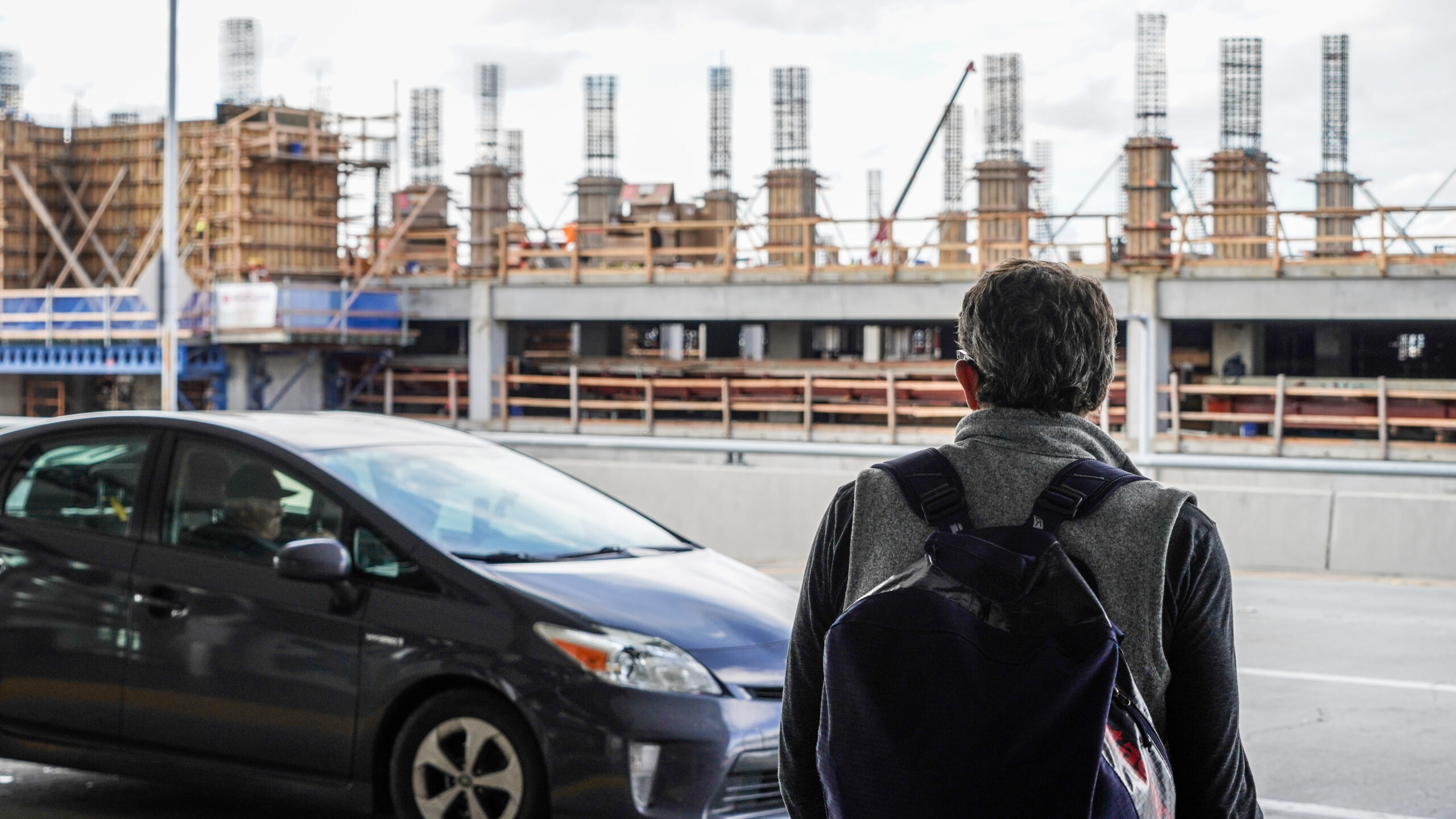
Using an artificial intelligence-backed system called Automotus, dozens of new cameras in terminals A and B will track how long cars stay at the curb. If one hangs around longer than four minutes, an airport employee will be notified, and the driver will be asked to move along.
“When the vehicle pulls into the zone on the curb, the camera will basically look at the clock and start running a clock for that vehicle,” said Ciara Gamble, landside operations manager at Sacramento International Airport. “We’ve identified four minutes as kind of a good sweet spot for vehicles on the curb.”
If the driver moves, their information will be deleted automatically. If they don’t, an airport officer can issue a citation.
But the system will not automatically write a ticket without human interaction, Gamble said.
“That was something that I was very, very adamant from day one, that I never wanted a system that’s going to auto-issue citations because I think that it’s important that you have that human interaction,” Gamble said. “Our staff has been trained that they will always approach the vehicle before issuing.”
Sign Up for the Morning Newsletter
The Abridged morning newsletter lands in your inbox every weekday morning with the latest news from the Sacramento region.
Wait times
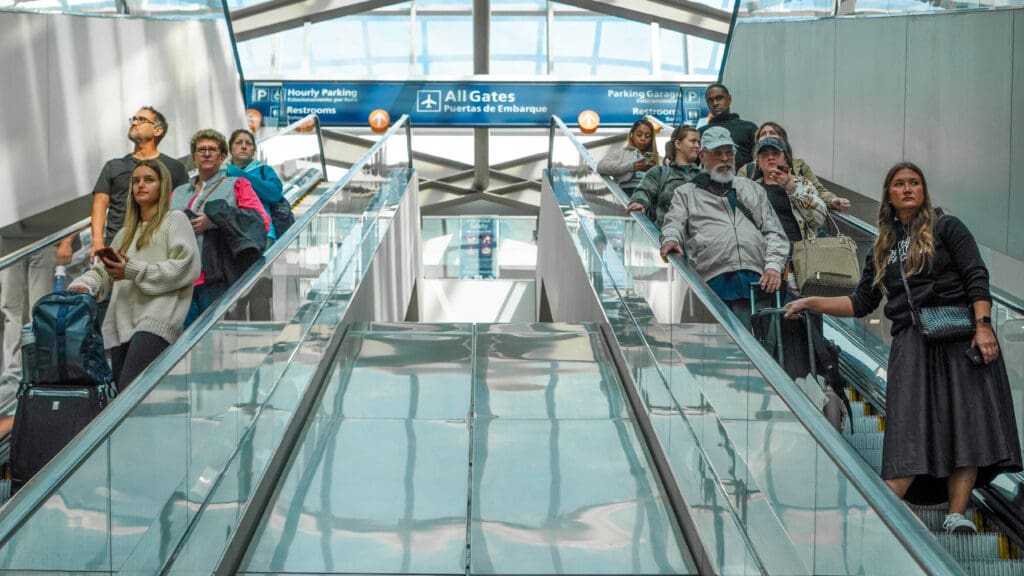
Before officials started deploying the cameras in terminal A a few months ago, Gamble said they studied curbside wait times and found an average of around five minutes.
After the system went online, that plummeted.
“Looking at it today, it’s 1 minute and 44 seconds for vehicles recirculating,” she said.
Officials are hoping that success translates to terminal B, where they have just set up 20 new cameras.
“Terminal B is a little unique,” Gamble said.
Whereas the curb in terminal A is a straight line, terminal b has arrivals and departures with upper and lower levels. That makes it more complicated.
“We’re going to treat upper level and lower level like two different curbs,” Gamble said.
Once the system is up and running, they will use it to collect data for two months and go live with real-time monitoring in September.
Buses, bikes and cars
Elsewhere in Sacramento, similar technology is being used to issue citations to drivers who park in bus or bike lanes.
In an announcement released Monday, the city of Sacramento said that it has expanded its use of artificial intelligence-backed cameras on city vehicles to enforce restrictions against parking in bike lanes.
“The addition of AI-assisted technology to three city parking enforcement vehicles expands the city’s ability to proactively identify violations in high-priority areas, including Downtown and school zones,” the announcement said.
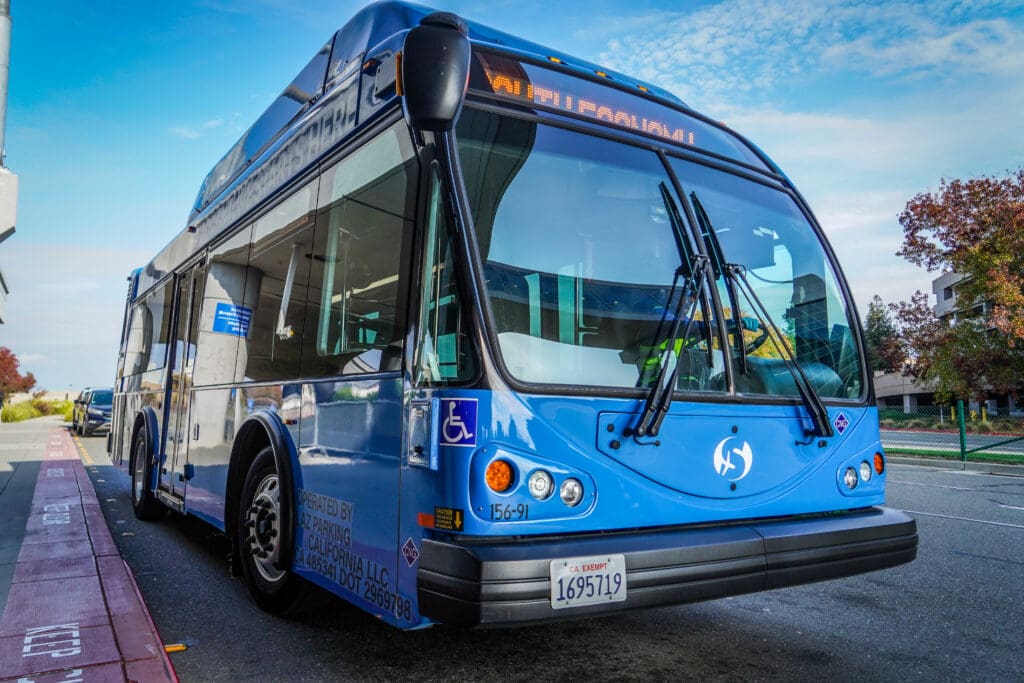
The city has been using cameras on the front of regional buses to cite cars parked in front of bus stops and in bike lanes since 2025.
The camera takes a picture of the car and puts together an evidence package that includes license plate, time stamps and photos. That information is then reviewed by a city employee, and a ticket between $100 and $150 is written.
Ticketing will work in a similar way at the airport, where evidence packages will be assembled by the Automotus system and a human will issue citations.
Gamble said that SMF is the first airport to do this kind of data collection using this technology. Other cities, including Oakland, Los Angeles and New York use similar technology for traffic enforcement.
The use of front-facing cameras for this purpose was made possible in California by Assembly Bill 917, passed in 2021.
Daniel Hennessy is a reporter covering Yolo County for Abridged by PBS KVIE. He joined Abridged through the California Local News Fellowship.