
The Abridged version:
- Lawsuits under California’s Private Attorneys General Act can cost Sacramento-area businesses millions of dollars, much of which ends up going to the plaintiffs’ lawyers.
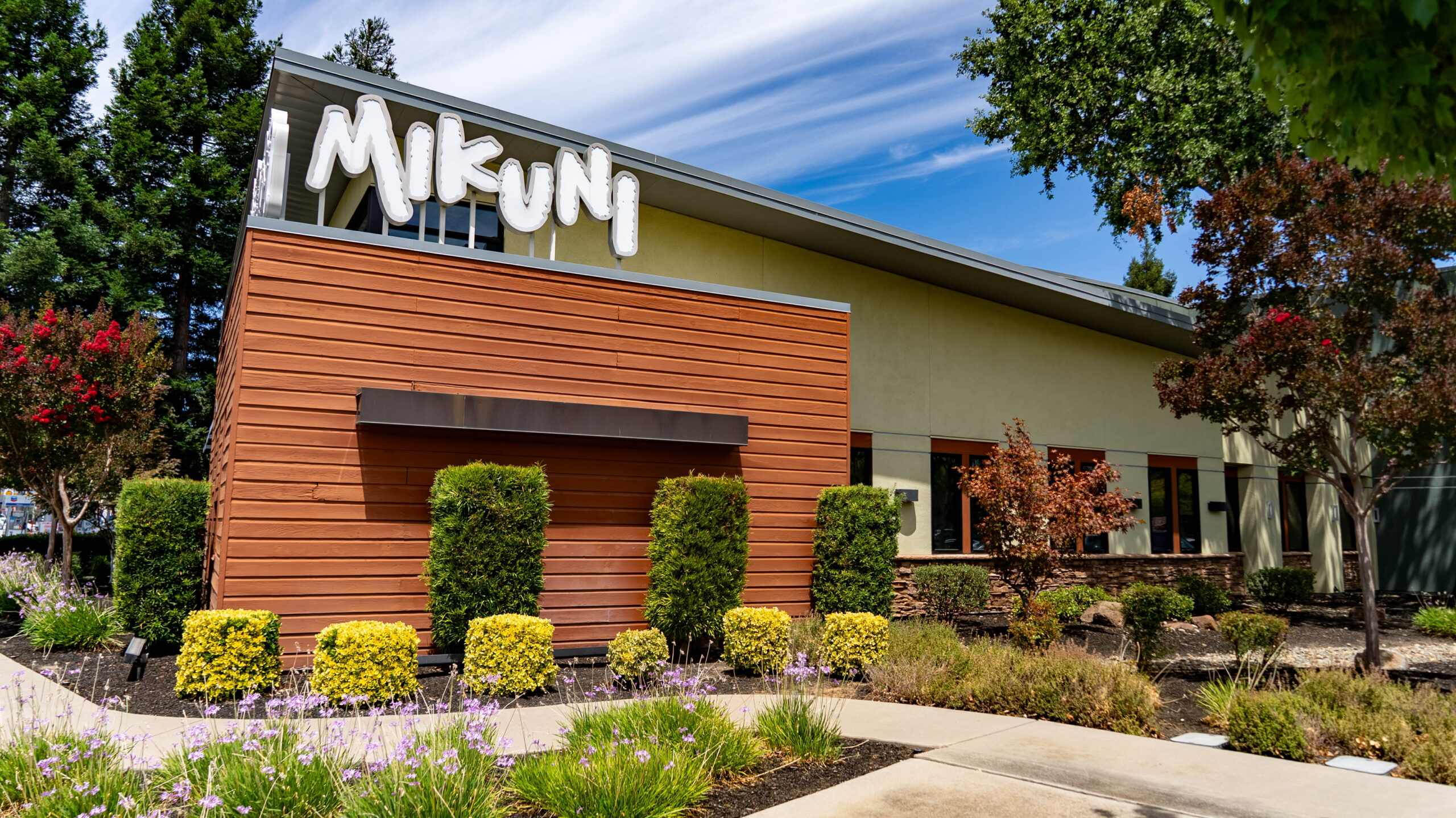
- Organizations such as Mikuni, VSP Vision and the Sacramento Chinese Community Service Center have settled pricey PAGA lawsuits in recent years.
- The California Labor Workforce Development Agency is considering PAGA changes to crack down on mass and noncompliant filers.
Kru Contemporary Japanese Cuisine and Mikuni, two popular names in the Sacramento sushi scene, both made the news recently for the same reason: They settled lawsuits brought about by ex-employees who accused the businesses of unfair labor practices, resulting in sizable payouts.
But most of those payouts didn’t end up in the hands of the aggrieved. They ended up with lawyers, settlement administrators and the California Labor Workforce Development Agency, or CLWDA.
These lawsuits were made possible by California’s Private Attorneys General Act, commonly known as PAGA. A state law enacted in 2004, it’s intended to encourage collective action against companies that violate labor laws. To many, though, PAGA creates a dangerous, one-of-a-kind California business environment in dire need of reform.
“It is the single most damaging, destructive economic policy in California. It makes capital gains (taxes) look like they’re zero,” said Barry Broome, the president and CEO of the Greater Sacramento Economic Council. “It’s tragic, and it makes us angry.”
A brief history of PAGA
Under PAGA, a regular employee can become a private attorney general of sorts for themselves and their fellow employees, holding their employer accountable for workplace abuses such as missed paychecks and break violations. The employer then has the option to “cure,” or fix said violations, and all can avoid further litigation.
But PAGA notices often turn into full-on lawsuits that get caught in years of mediation and never go to trial. The defendant, often facing alleged workplace violations from thousands of employees, frequently chooses to settle rather than litigate each claim. The result is a significant payout to the plaintiffs’ lawyers, about $10,000 to $20,000 to the single plaintiff who initiated the process and more meager sums to the rest of the employees.
Restaurants are sometimes the most visible targets of PAGA suits. The French Laundry, arguably California’s most famous fine dining restaurant, was hit with a suit earlier this year on behalf of more than 50 employees.
But big businesses can also get hit. In 2023, Google paid out $27 million in the largest PAGA settlement so far, with $9 million going to lawyers. Each of the 96,939 workers received $20-$79. Unions representing janitors and construction workers have also agreed to exempt themselves from PAGA suits as part of collective bargaining agreements with the large companies that employ them.
In Sacramento, the targets are varied.
The Sacramento LGBT Community Center settled a PAGA suit for $390,000 in 2015. Oktupan Law Firm, based in Southern California, took $130,000 from that case. A 2024 suit against the Sacramento Chinese Community Service Center paid out more than $2 million, nearly $700,000 of which went to Blumenthal Nordrehaug Bhowmik De Blouw LLP.
Kru settled for $700,000 earlier this year, while Mikuni paid out $2.25 million. Popular gluten- and dairy-free spot Pushkin’s Bakery also settled a PAGA lawsuit in 2024, details of which aren’t publicly available.
Plaintiffs in four Sacramento-area lawsuits declined to comment on their cases. Representatives for the Sacramento LGBT Community Center declined to comment as well, while Pushkin’s and the Chinese Community Service Center did not respond to requests for comment.
Asked for comment, Mikuni re-issued a statement sent after initial news of its PAGA suit broke.
“We have always worked hard to comply with California’s labor laws and do not agree with the allegations in the lawsuit, however, we decided that resolving the matter was the best path forward,” Mikuni’s statement read. “Settling the case allows us to focus our time and energy on what matters most — our team members, our guests, and continuing to provide the exceptional dining experience our communities expect from us.”

‘Entire labor bases leaving California’
PAGA was designed to empower workers. Today, it’s referred to by two colorful nicknames: “The Bounty Hunter statute” or “Prettymuch All Goes to the Attorneys.”
For business owners, PAGA can lead to bad press, fueling paranoia and worry among those considering setting up shop in the Golden State. That includes Kru owner Billy Ngo, a partner in Kodaiko Ramen & Bar, Fish Face Poke Bar and Chu Mai as well.
“I’m really nervous about opening another business, and now I’m nervous about all the other businesses,” Ngo said about the looming threat of PAGA lawsuits.
Broome said the Kru story triggers a bigger conversation.
“This is about entire labor bases leaving California over these lawsuits,” he added.
Broome estimated that PAGA lawsuits have cost California more than 500,000 middle-income jobs. He emphasized that it’s not just about restaurants, referencing Rancho Cordova-based VSP Vision’s recent PAGA suit, filed in early 2020 and settled for $3.45 million in 2024. Broome said the ordeal cost the state 3,000-4,000 jobs when VSP “migrated its assets into states that don’t sue them.”
“But the law firms are doing great,” Broome added.
Sacramento City Councilmember Phil Pluckebaum called PAGA a symptom of a state notorious for “overcorrecting.”
“Within the letter of the law, this is what is allowed, but by creating this level of protection … really what they’ve done is empower lawyers,” Pluckebaum said.
Change on the horizon, possibly
In 2024, legislation introduced reforms to PAGA, including increasing the payout allocated to employees from 25% to 35%. Some see further work to be done, though.
Tom Manzo is the founder and president of The California Business & Industrial Alliance (CABIA), a San Fernando Valley-based nonprofit trade organization that tracks PAGA cases and advocates to end the law.
In April, Manzo spoke at a public rulemaking hearing held by the CLWDA. He asked for the state to review PAGA notices and attorney demand letters before they become complaints or quick settlements, which he said would curb “abusive filers.”
A possible win for Manzo and allies came in February, when CLWDA unveiled a reform proposal. It would flag high-frequency or repeatedly noncompliant PAGA filers for additional scrutiny, beef up settlement regulations and make law firms certify that noncompliant filers weren’t involved in their lawsuits, among other changes.
Five law firms filed nearly 25% of all PAGA lawsuits Fiscal Year 2024-25, according to the CLWDA. Agency deputy secretary for enforcement Todd Ratshin, serving on a panel at the California Lawyers Association’s Annual Advance Wage and Hour Conference in late July, said the new rules were intended to curb firms taking advantage of PAGA’s low barrier to entry by filing generic, fill-in-the-blank suits.
“I read a lot of PAGA notices, and it’s often just a pretty depressing experience,” Ratshin said in July, according to Law360. “The days of these template-driven notices, we’re looking to put an end to this.”
In Sacramento, those updates would be welcome by some, including Pluckebaum.
“I don’t know an employer more dedicated to employee health, welfare (and) satisfaction than the LGBT Center,” he said. “So if they got hit by this, I don’t know who’s safe.”