

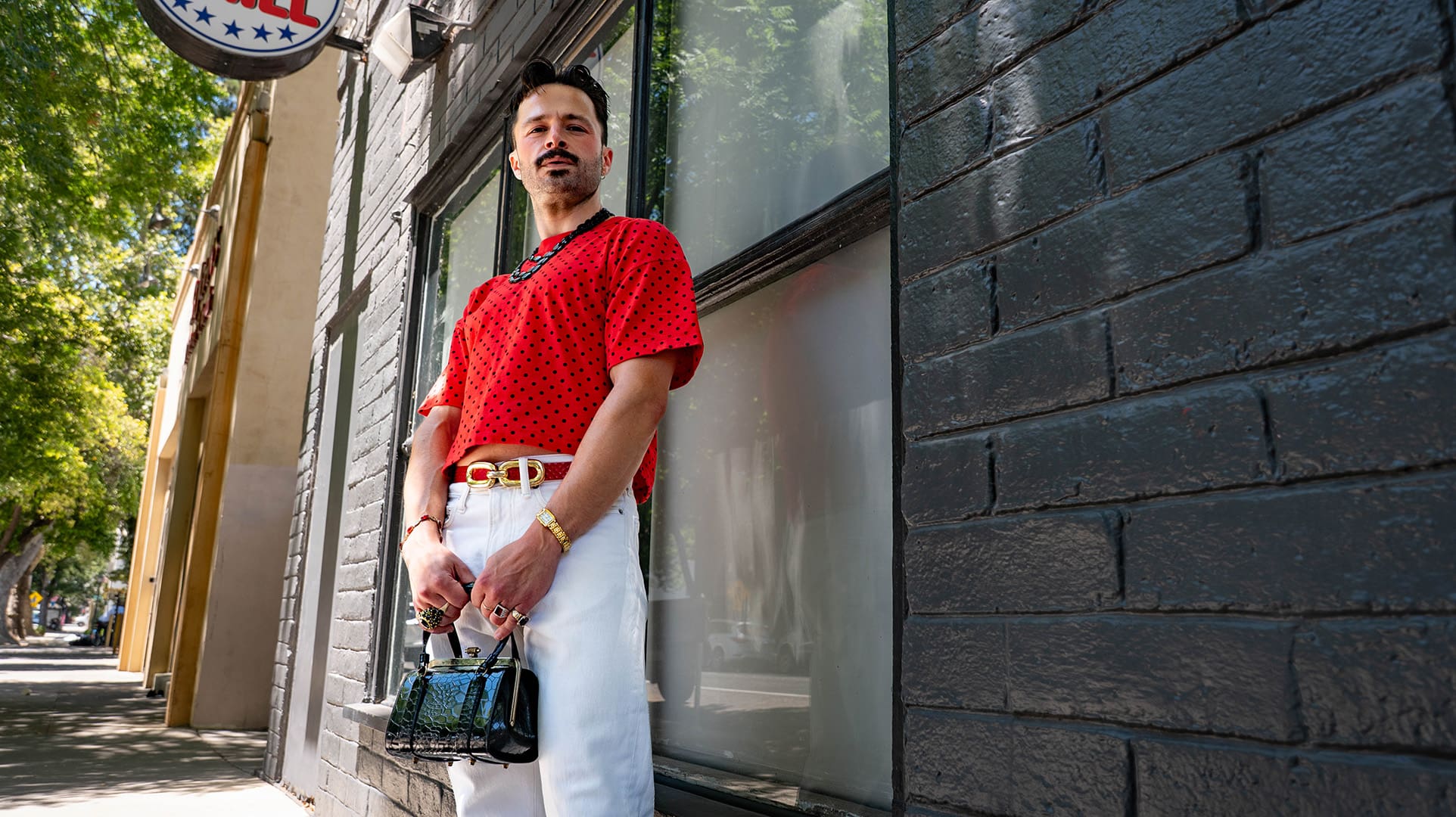
The Abridged version:
- A scientist by day and a history enthusiast by night, Mitchell McCartney is looking to educate younger generations about LGBTQ history in Sacramento.
- McCartney recently launched a video series called “Stop Whispering, Start Shouting” that highlights the persistent role LGBTQ residents have had across Sacramento’s history.
- The series also highlights the Patlar Gazette, a Sacramento-based publication that quickly went national in the 1980s and became known as the “Voice of Gay America.”
On the corner of 17th and L Street is a single-story brick building that once housed Sacramento’s first LGBTQ magazine.
Down the street at The Senator office building — once known as the Senator Hotel — was the secret meeting area for a group of politicians working to write laws to help LGBTQ people.
And on the streets of Old Sacramento, there’s centuries-old memories of Gold Rush men using handkerchiefs to denote whether they wanted to dance in a masculine role or feminine role during dances.
Sign Up for the Morning Newsletter
The Abridged morning newsletter lands in your inbox every weekday morning with the latest news from the Sacramento region.
All across Sacramento, hidden in plain sight, are areas that played a role in shaping the lives of LGBTQ people both locally and across the nation.
One local history enthusiast is looking to bring more of those stories to light. Mitchell McCartney, who lives in Sacramento, recently started a series on social media aimed at introducing younger generations this history. The series is dubbed “Stop Whispering, Start Shouting,” which is an homage to a statement that ran on the cover of newspaper Mom, Guess What during the AIDS epidemic.
“You probably thought that Sacramento just followed national queer culture. … We were actually helping define it,” McCartney says to the camera in one of his videos.
Showcasing LGBTQ activism for younger generations
While he had worked in photography and was connected to the Center for Sacramento History, McCartney said the beginnings of the project began in the wake of the 2024 election.
“I just had all this energy and I wanted to put it somewhere productive and useful,” McCartney said.
He looked to his science background and immediately thought of doing something educational.
During the day, McCartney is the director of a biology research lab at UC Davis. He said his background working with undergraduate researchers inspired him to start the series.
McCartney remembers growing up in the 1980s and ’90s, when being diagnosed with HIV was a near-certain death sentence. Today, most of his students only remember a world where same-sex marriage is part of the law of the land.
He said he saw an opportunity to teach the younger generations about that history and show them how to become more engaged with their communities.
“You were born into a lot of these rights, and they’re starting to disappear. … I wanted to show younger people like, this is what activism looks like,” McCartney said.
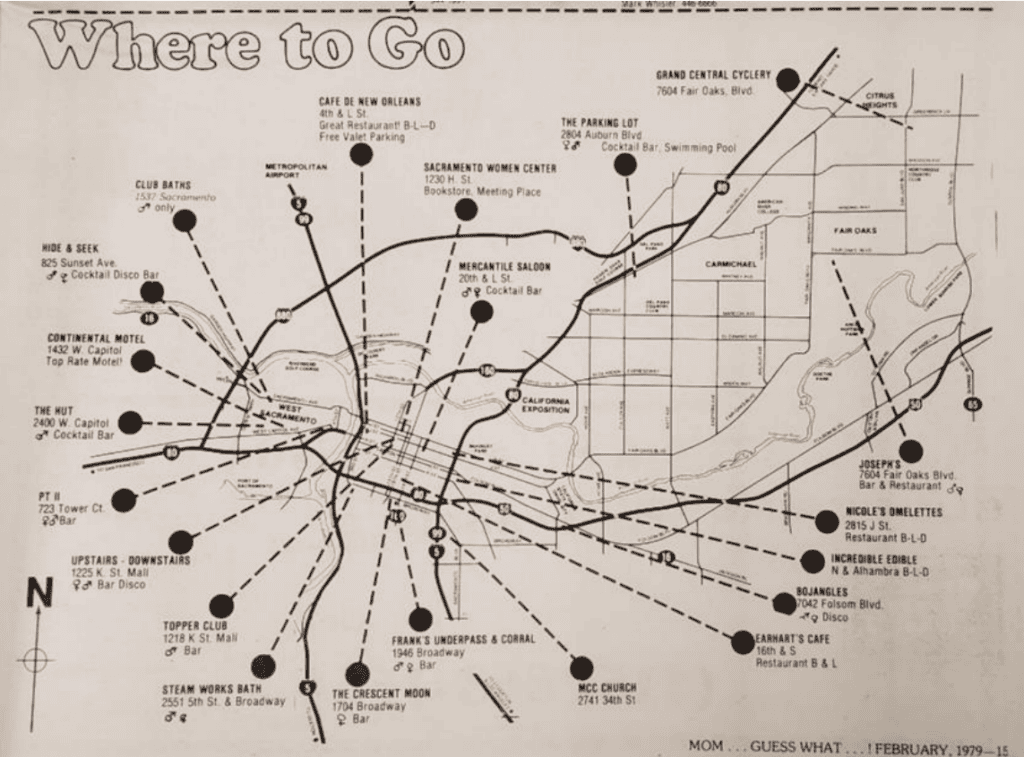
History series quickly gained popularity
At first, the video series was envisioned as a way to celebrate LGBTQ Pride month. With the excitement he saw for the series, though, he quickly decided it would be a series that would go beyond June.
“I did my first episode, and overnight, I had a thousand new followers,” McCartney said.
His new followers on social media are all across the country, not just Sacramento, he said. Some of his new fans have lived that history firsthand as well.
In one segment, McCartney featured the Patlar Gazette, an LGBTQ publication that began printing in the 1980s and reached national circulation within six months. The Sacramento-based publication was eventually known as the “Voice of Gay America.”
After McCartney posted his first video highlighting the history of the magazine, its former editor reached out to him.
Within a matter of weeks, boxes arrived at his home filled with each edition of Patlar ever printed, plus photo negatives, old story drafts, sales receipts and administrative records. The former editor, he said, had kept the collection for decades but was not sure what to do with it.
McCartney soon contacted the Center for Sacramento History, which is now working to archive and preserve the materials. Eventually, the center will provide a full digitized version of the catalogue to the public, McCartney said.
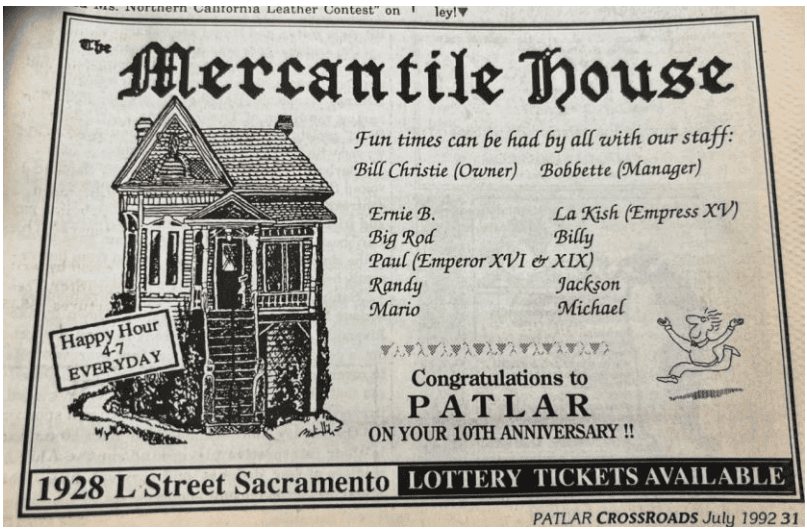
Most of the history spotlighted in his series comes from the archives of the Center for Sacramento History, or from the Sacramento LGBTQ+ Historic Experience Project. The project was published in 2024 using an extensive review of local history and oral testimonies through the city of Sacramento’s historic preservation program.
With each morsel of history he discovers, he feels more proud, McCartney said.
“I think history has proven to us what queer people can do when we unite,” McCartney said. “We’ve always been here, and we always will be here, right?”
Felicia Alvarez is a reporter for Abridged by PBS KVIE covering accountability. She’s called Sacramento home since 2015 and has reported on government, health care and breaking news topics for both local and national news outlets.